
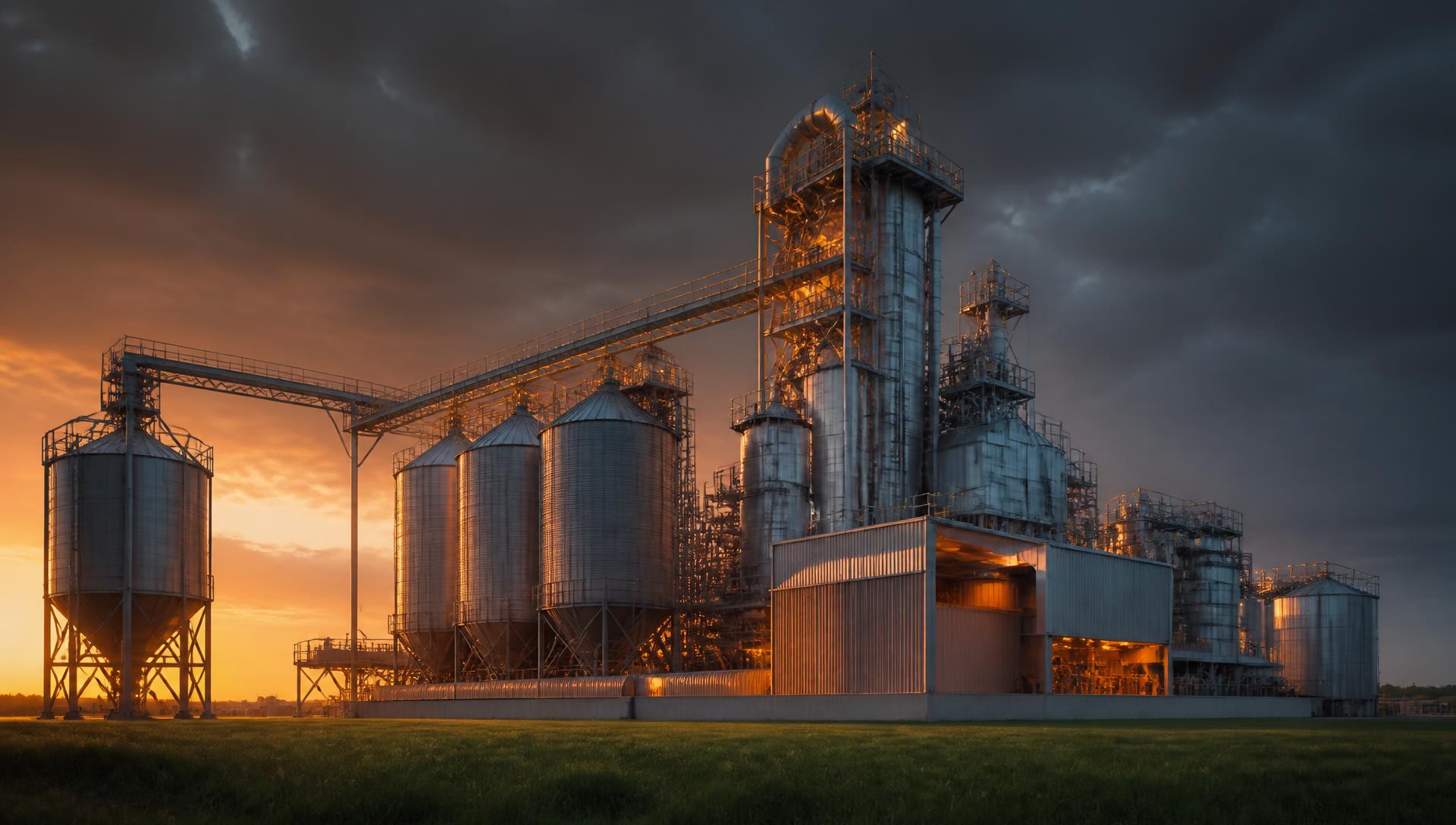
Feed is the largest single cost in almost every livestock, poultry and aquaculture operation — typically 60% to 75% of the cost of producing a kilogram of meat, milk, eggs or fish. That single fact should make feed the most analysed line in the business. In practice it is often the least analysed: producers compare price per tonne, sign with whoever is cheapest that month, and absorb the consequences in performance data they never trace back to the bag.
Industrial compound feed — nutritionally formulated, precisely ground, mixed, conditioned and usually pelleted under process control — is not simply a more expensive version of a farm-mixed ration. It is a different product with a different risk profile and a different economic logic. Where it wins, it wins by improving feed conversion, uniformity, animal health and traceability far more than it raises the invoice. Where it is bought carelessly, it destroys margin quietly.
This guide sets out where the value in industrial feed genuinely comes from, how to measure it, and how a buyer should specify, tender and finance it. It is written from a supplier-neutral position: we do not manufacture feed and we do not represent a mill.
What industrial compound feed actually is
Industrial feed is the output of a controlled manufacturing process, not a recipe. Raw materials — cereals, oilseed meals, by-products, fats, minerals, amino acids, vitamins and functional additives — arrive under specification, are tested on intake, ground to a target particle size, dosed by calibrated weighing systems, mixed to a validated coefficient of variation, conditioned with steam and then pelleted, crumbled or extruded.
Every one of those steps is a lever on animal performance. Particle size determines gizzard development and starch digestibility. Mixer accuracy determines whether the last animal on the line gets the same micronutrient dose as the first. Conditioning temperature and retention time determine starch gelatinisation, pellet durability and pathogen reduction. None of these are visible in the price per tonne.
- Formulation on digestible nutrients, not crude protein alone
- Intake testing of every ingredient lot (NIR, mycotoxins, moisture)
- Validated mixing uniformity (CV below 10%)
- Steam conditioning for hygiene and starch availability
- Pellet durability index tracked batch by batch
Advantage one: feed conversion is where the money is
The decisive number in feed economics is not price per tonne — it is cost per kilogram of gain, per litre of milk or per dozen eggs. A feed that costs 4% more but improves feed conversion ratio by 6% is unambiguously cheaper. Industrial feed earns that improvement through nutrient precision, digestibility and physical form.
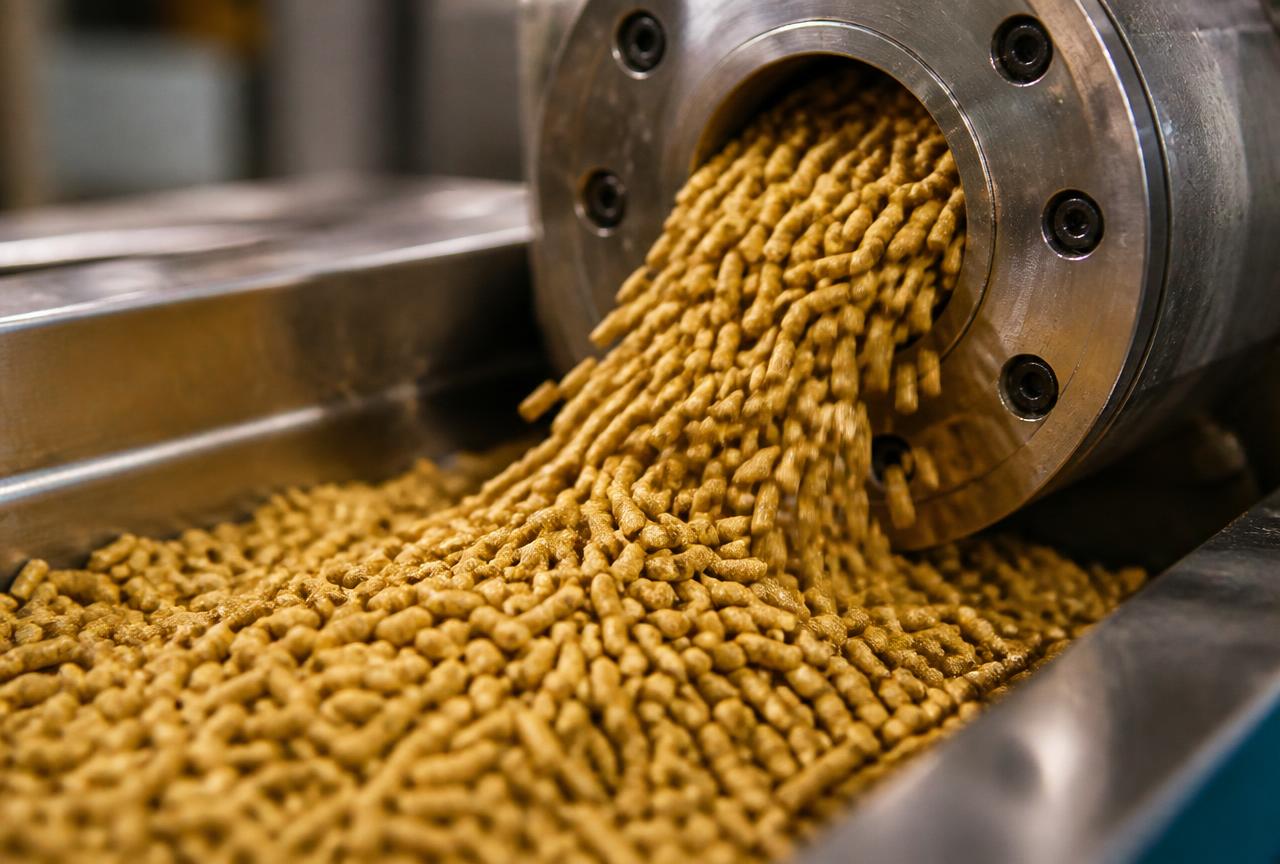
Pelleting alone typically improves broiler feed conversion by 4% to 8% versus the same formula fed as mash, because pellets reduce feed wastage and selective eating, increase intake rate and improve starch digestibility. Extruded aquafeed goes further: water stability determines how much of the ration is actually eaten rather than dissolved.
Run the arithmetic on your own farm before believing any supplier. A broiler operation producing 1,000 tonnes of live weight a year at an FCR of 1.65 uses 1,650 tonnes of feed. Moving to 1.55 saves 100 tonnes — at USD 450 per tonne that is USD 45,000, which comfortably funds a USD 20 per tonne quality premium and leaves USD 12,000 of pure margin.
Advantage two: uniformity, health and predictable flocks
Farm-mixed rations vary batch to batch. That variation shows up as uneven growth, wider weight distributions at slaughter, unpredictable grading and reactive veterinary spend. Industrial feed produced under a validated quality system delivers the same nutrient profile in week 40 as in week 1, which is what makes production planning and contract pricing possible.
Heat treatment during conditioning substantially reduces Salmonella and Enterobacteriaceae loads, and controlled ingredient intake keeps mycotoxins, heavy metals and cross-contamination inside defined limits. In markets with antibiotic-reduction targets, feed hygiene and gut-health additive programmes are the primary tools left to the producer.
- Tighter weight distribution and better carcass grading
- Lower mortality and reduced veterinary intervention
- Mycotoxin binders and gut-health programmes applied consistently
- Feed-borne pathogen risk managed at the mill, not the farm
Advantage three: traceability, certification and market access
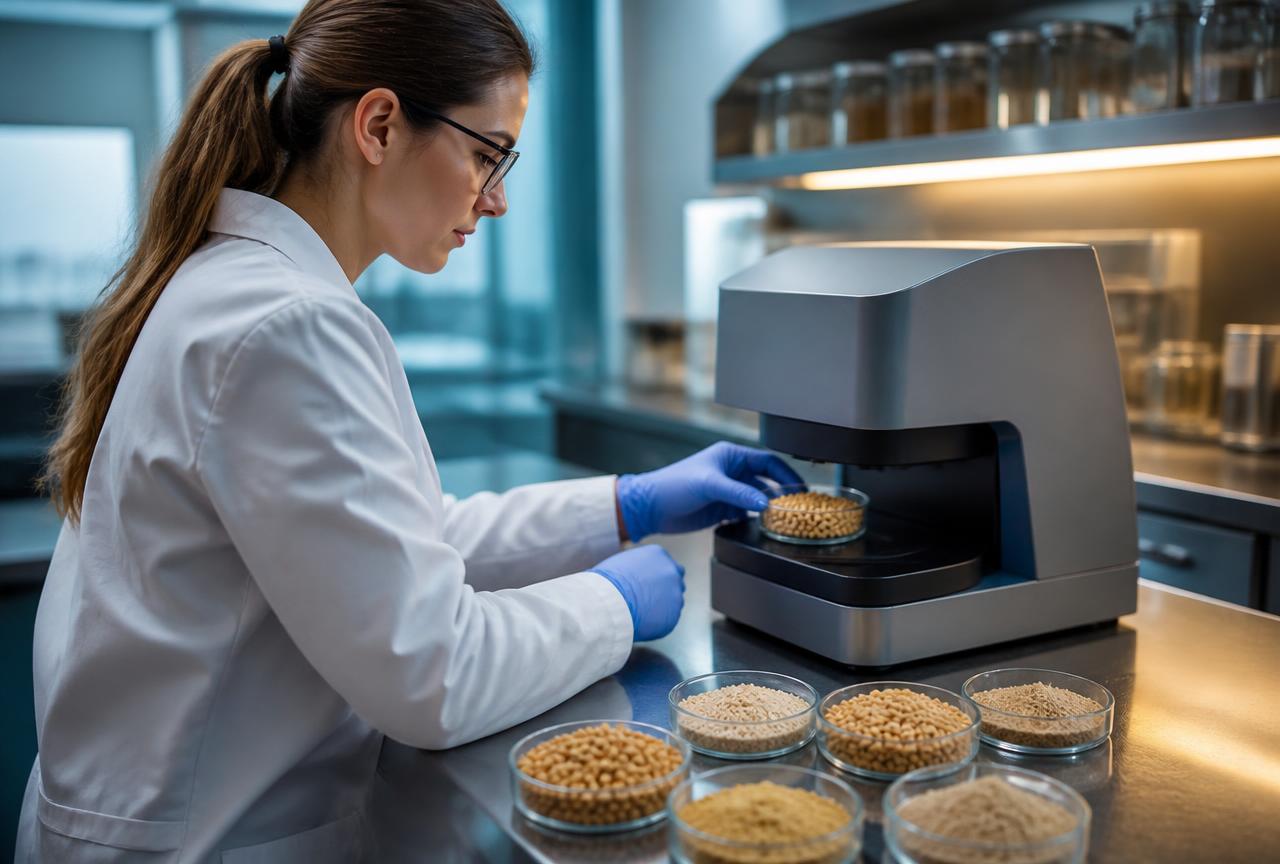
Export markets, retailers and lenders increasingly buy the paperwork as well as the protein. GMP+ FSA, FAMI-QS, ISO 22000, FSSC 22000 and HACCP systems exist so that a bag of feed can be traced to its ingredient lots, its mixing record and its dispatch note. Without that chain, an operation cannot credibly serve an export abattoir, a supermarket programme or a development-bank-financed contract.
Traceability also converts a food-safety incident from an existential event into a bounded recall. When a contaminated ingredient lot is identified, a certified mill can name every batch and every customer affected within hours. A farm mixing its own ration usually cannot.
Advantage four: sustainability and resource efficiency
Better feed conversion is also the single most effective emissions lever in animal protein: less feed per kilogram of output means less land, water, fertiliser and shipping per kilogram of output. Precision formulation on digestible amino acids reduces crude protein inclusion, which cuts nitrogen excretion and ammonia in the house — improving both the environmental footprint and bird or pig welfare.
Industrial mills can also valorise co-products — distillers grains, brans, oilseed cakes, bakery by-product, insect and single-cell proteins — safely, because they can test them and formulate around their variability. That is how alternative protein sources enter the ration without gambling on performance.
- Lower feed conversion ratio = lower emissions per kilogram of protein
- Low crude protein, amino-acid balanced diets cut nitrogen excretion
- Safe use of co-products and alternative proteins
- Reduced spoilage and storage loss versus farm-mixed mash
The honest economics: when industrial feed is not the answer
Industrial feed is not automatically correct. Where a producer sits next to a cheap, reliable local grain supply, has genuine nutritional competence in-house, and runs species with lower nutrient sensitivity, on-farm mixing with a bought-in concentrate or premix can be the better economics. The break-even usually sits between the cost of the mill's conversion margin and the value of the performance and risk it removes.
The correct decision framework has three questions. First: what is my true cost per kilogram of gain under each option, including mortality, grading and veterinary cost? Second: what is the variance of that cost, and can my balance sheet absorb a bad quarter? Third: what does my market require in certification and traceability? Answer those and the choice is usually obvious.
How to buy industrial feed and feed ingredients well
Most buyers lose money at the specification stage, not the negotiation stage. A tender that says '20,000 tonnes of broiler grower' invites offers that are not comparable. A tender that specifies digestible lysine, metabolisable energy, maximum crude fibre, pellet durability index, moisture, mycotoxin limits, certification, delivery schedule and Incoterms produces offers that can be normalised to a single landed cost per unit of nutrient.
For imported ingredients — soybean meal, corn, DDGS, fish meal, amino acids, premixes — apply the same discipline plus contract terms: GAFTA or FOSFA, a named independent surveyor such as SGS, Intertek or Control Union, and clear arbitration. Compare offers on landed cost, not FOB headline price, and model freight, demurrage, financing cost and quality risk explicitly.
- Specify nutrients and process parameters, not product names
- Demand certificates of analysis per lot, and retain samples
- Normalise every offer to landed cost per unit of digestible nutrient
- Fix inspection, arbitration and rejection clauses before signing
- Separate the price negotiation from the payment-terms negotiation
Where FeedMatch fits
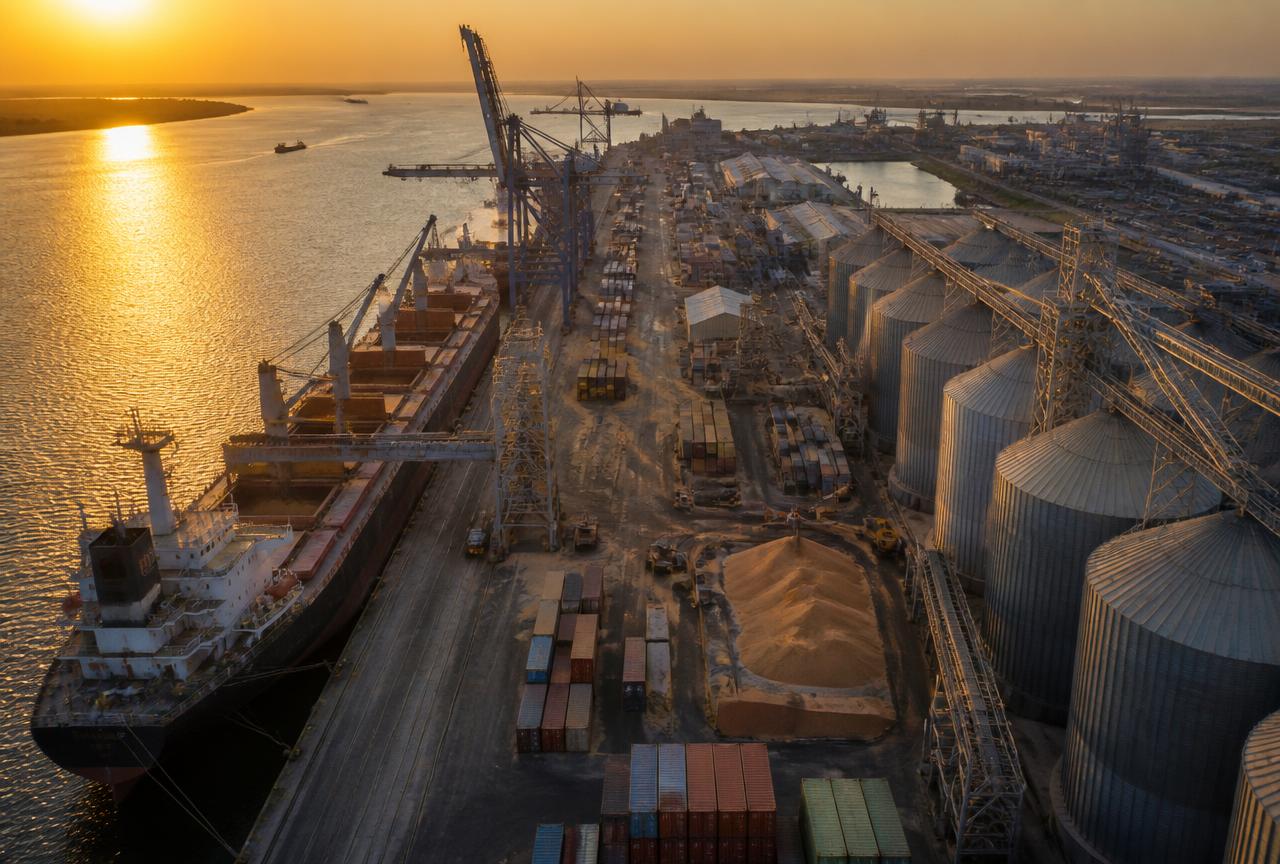
FeedMatch Group is a supplier-neutral procurement platform for industrial feed, feed ingredients, additives and feed-mill equipment. We do not sell feed. We help buyers write the specification, run the RFQ across qualified manufacturers and traders in multiple origins, normalise offers to true landed cost, arrange independent inspection and — where required — finance the cargo or the project.
A human expert stays with the deal from specification to discharge, in your language. The service is completely free for buyers; we are compensated on the supply side, which is why our advice can afford to be neutral.
Get comparable feed offers — free for buyers
Send one specification and receive normalised, supplier-neutral offers from qualified mills, traders and additive suppliers. A human expert accompanies the process end to end.