



Pull to refresh
FeedMatch Group logo — wheat sheaf and interlocking chevrons emblem representing the independent animal feed procurement and ingredient intelligence platform
FeedMatchGroup
DashboardSign inRequest Feed Quote
Financing for animal feed and feed-ingredient purchasesSee financing options→←
Back to home
Buyer Guides

Buyer guides for animal feed and feed ingredients.

Supplier-neutral guides on specifications, documentation, incoming quality control and comparing offers on delivered cost — for buyers procuring US$250,000 and above.

Browse guidesRequest a quote
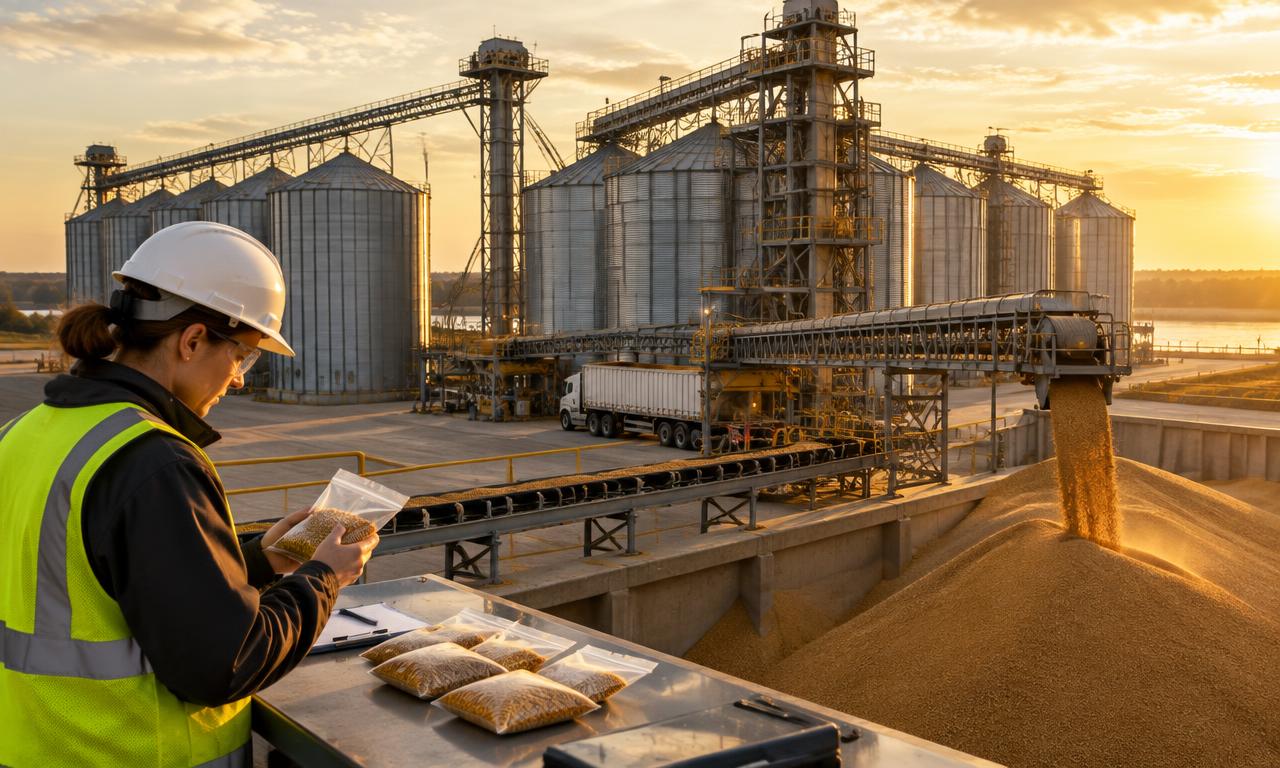
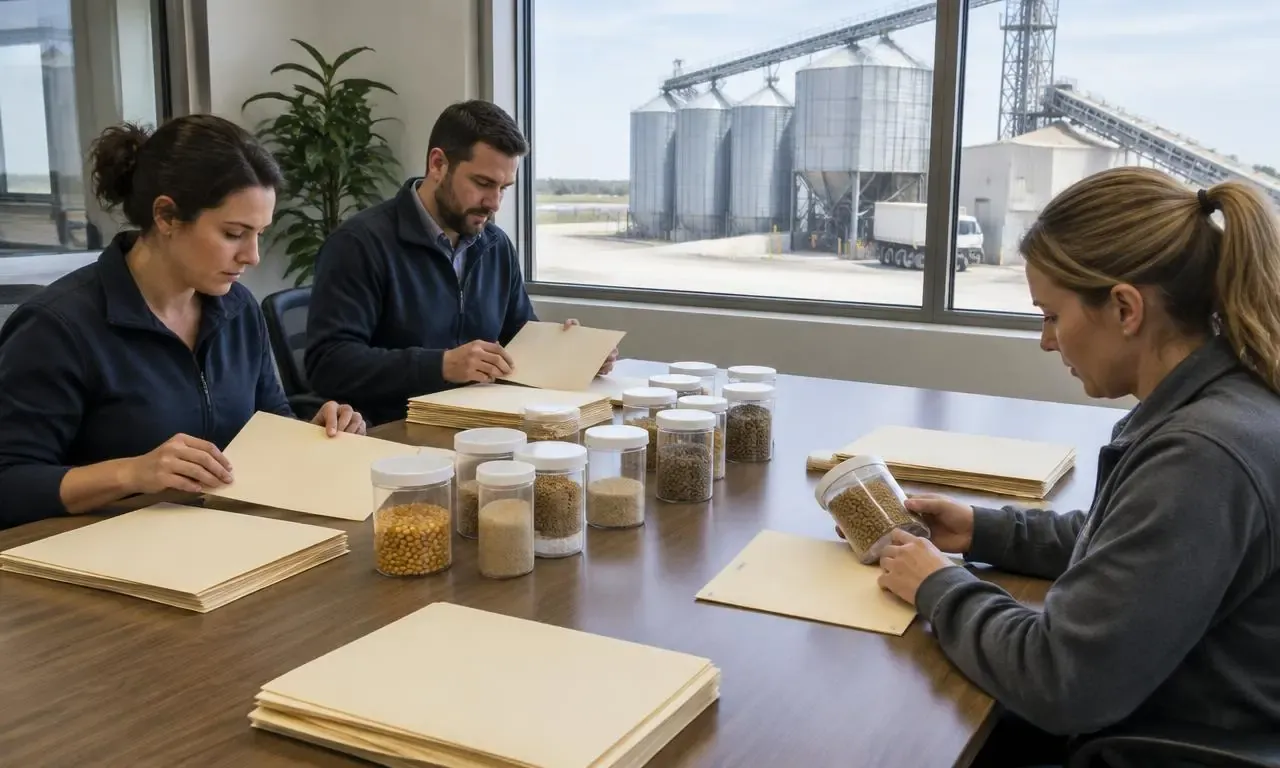
Buyer reviewing grain samples beside bulk receiving conveyors and silos

Feed & ingredient procurement guides

Specifications, certification, RFQ structure and how to compare offers on delivered cost.

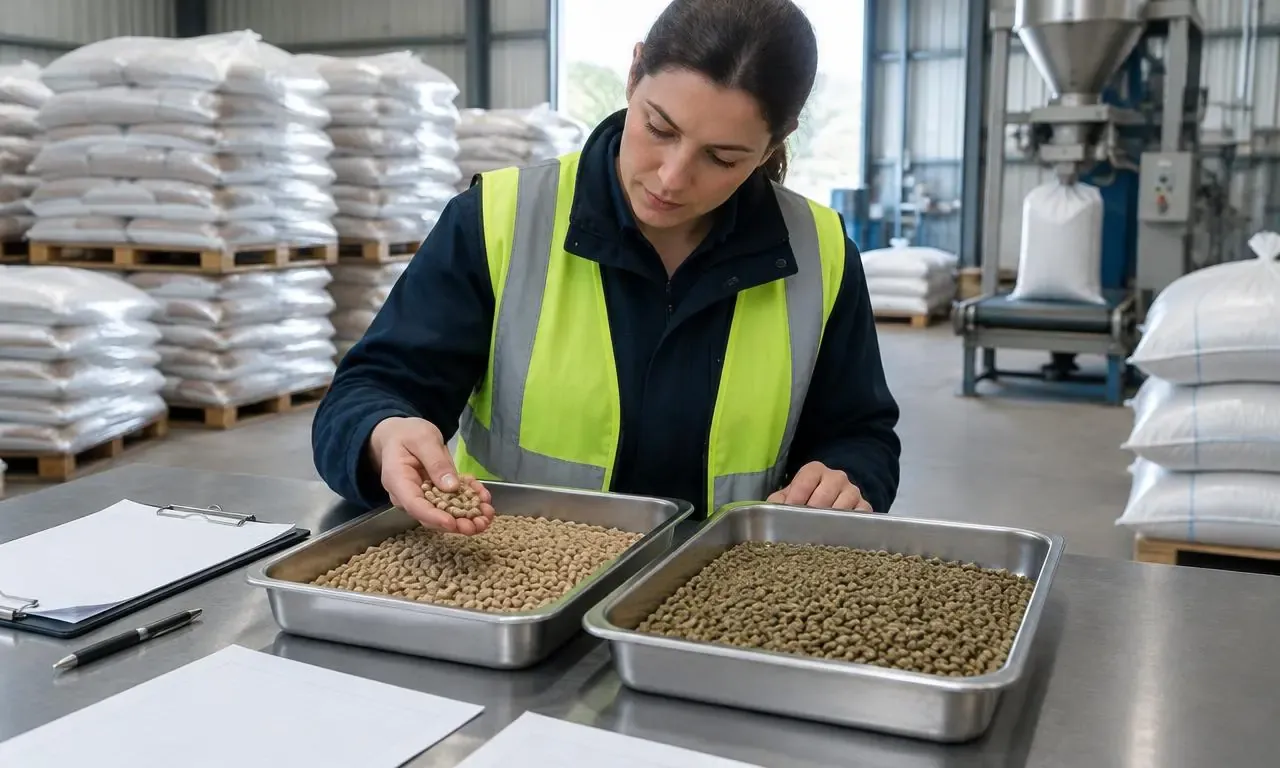
Quality technician comparing compound feed pellet samples at dispatchCompound feed

Commercial Animal Feed Procurement Guide

Supplier selection, formulation comparison, FCR, RFQ contents and cost per unit of production.

Read guide
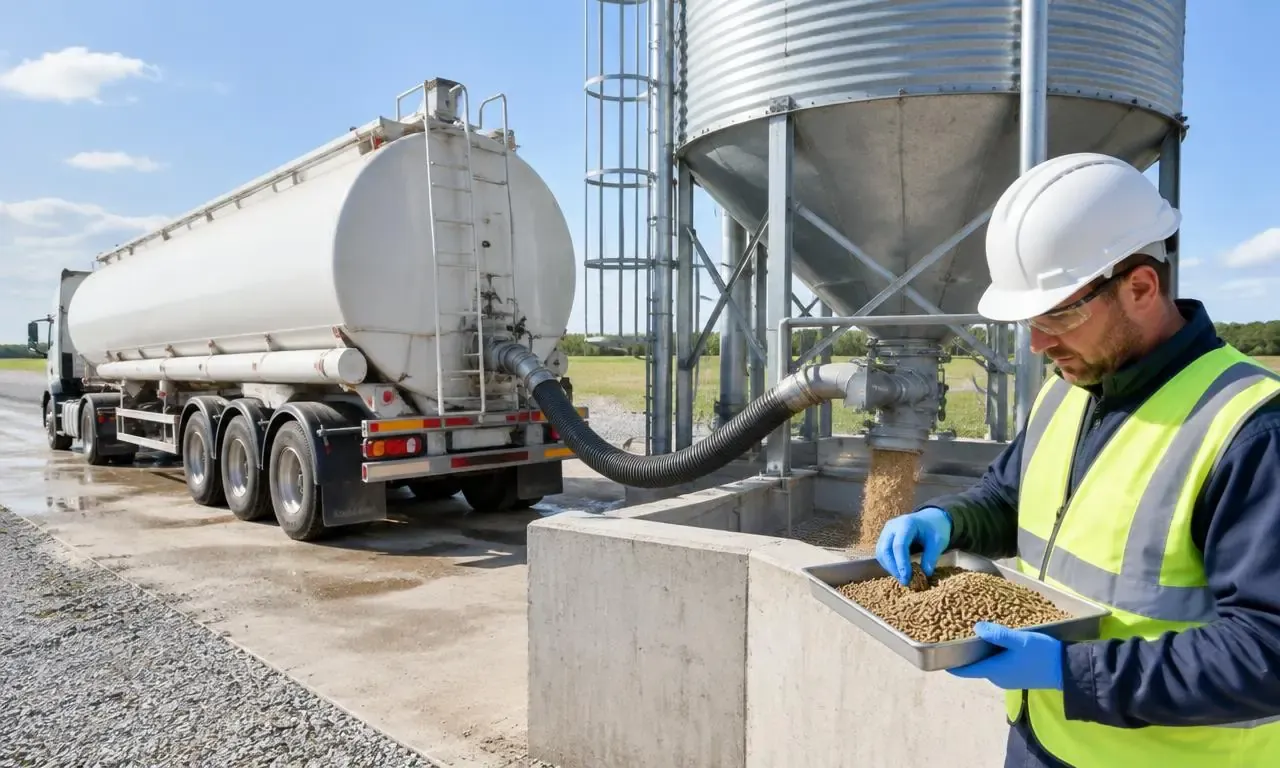
Bulk feed delivery and pellet sampling at a receiving siloBulk buying

Buy Animal Feed in Bulk

Finding and qualifying feed suppliers, bulk formats, and comparing offers on delivered cost and FCR.

Read guide
Technician weighing a feed microingredient sample in a laboratoryAdditives

Feed Additives Procurement Guide

Specifications, FAMI-QS and EU 1831/2003, premix vs straights, and cost per unit of active.

Read guide
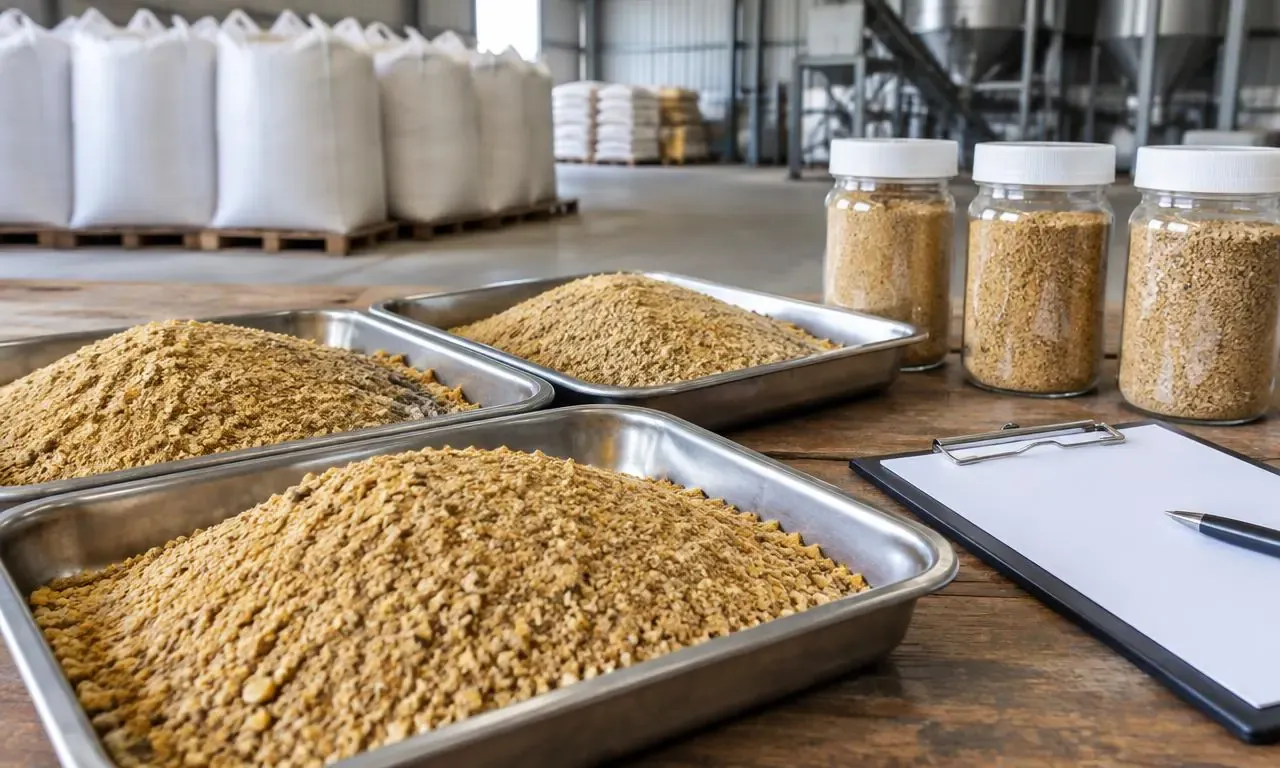
Soybean meal samples and sealed jars prepared for procurement reviewSoybean meal

Soybean Meal Procurement Guide

Protein and amino-acid specs, origins, contract terms and landed-cost comparison.

Read guide
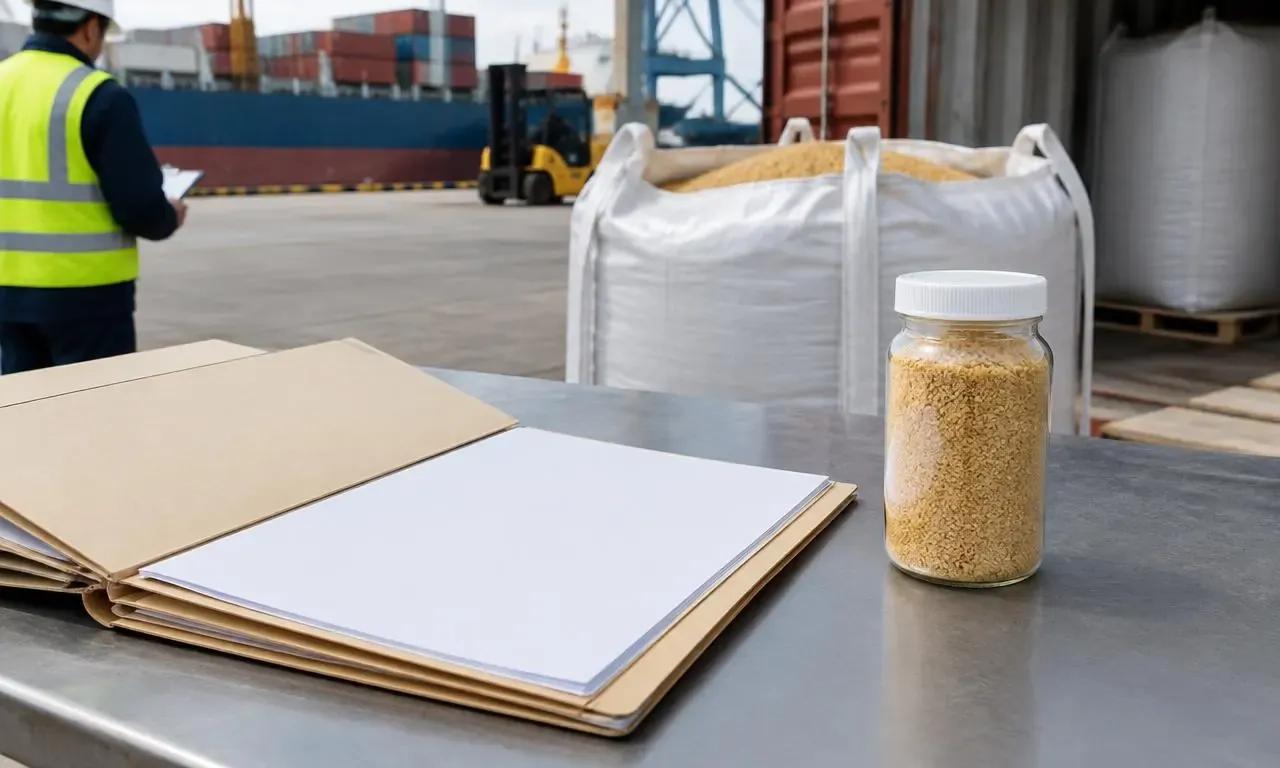
Shipping folders and a soybean meal sample beside a bulk shipmentDocumentation

Soybean Meal Import Documentation & HS Codes

HS 2304 classification, shipment document checklist, CoA test panel and permits by destination.

Read guide
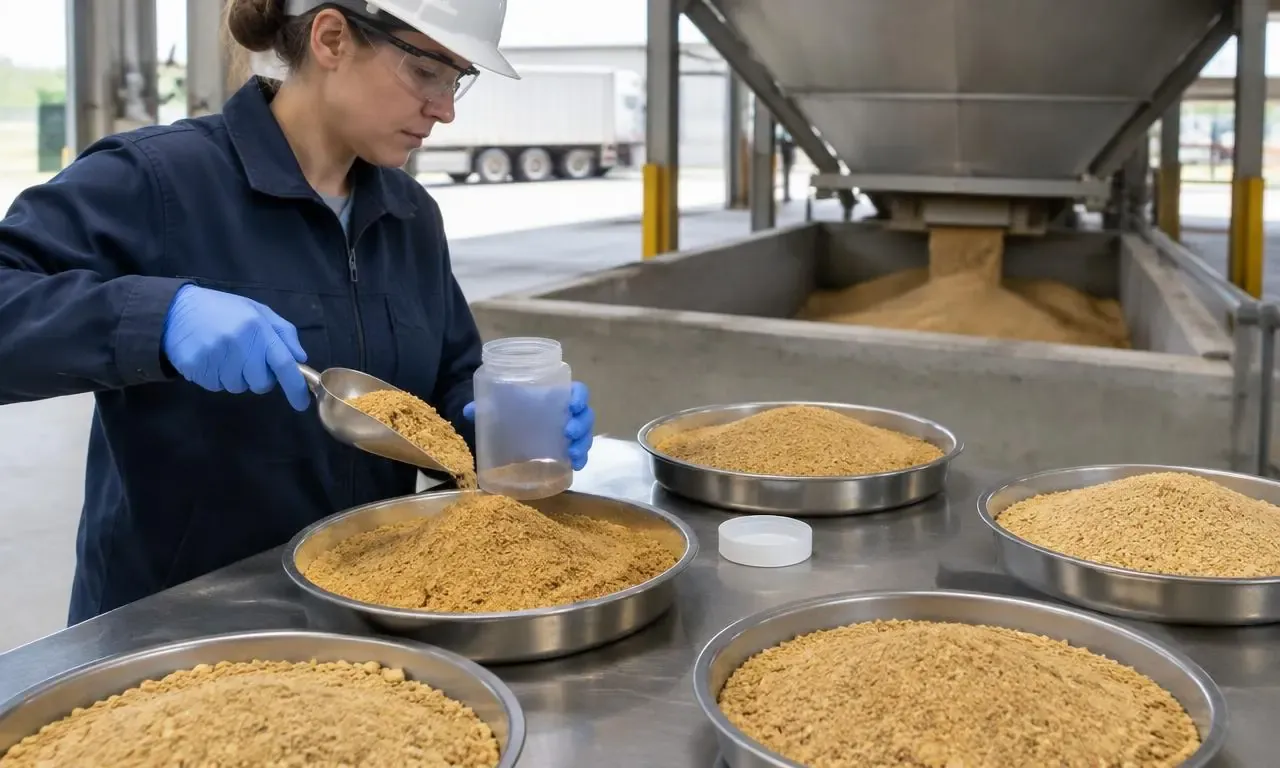
Technician collecting soybean meal samples at an ingredient receiving stationQuality control

Soybean Meal Incoming QC & Test Methods

Sampling plan, urease and KOH solubility bands, aflatoxin limits and rejection thresholds at discharge.

Read guide
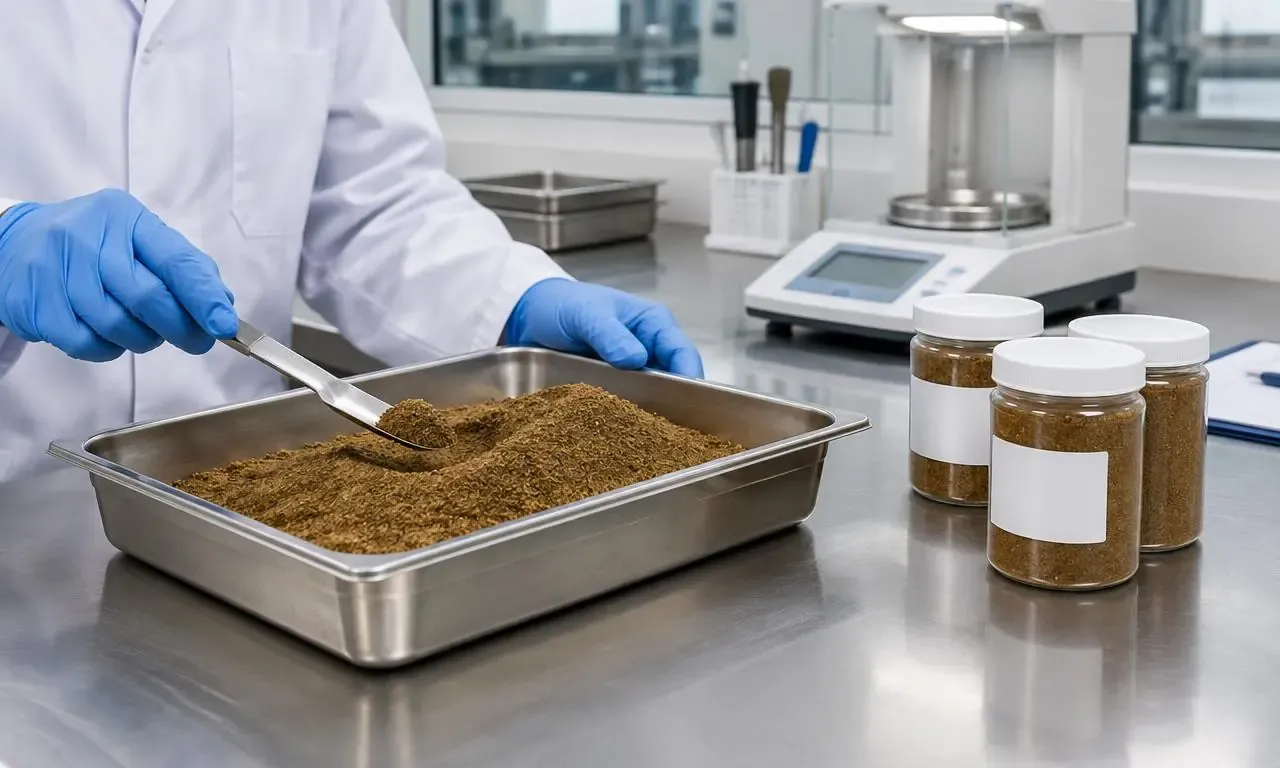
Laboratory technician collecting a fish meal sample for incoming checksQuality control

Fish Meal Incoming QC & Test Methods

TVB-N and histamine freshness limits, pepsin digestibility, salt and sand checks, and when to reject.

Read guide
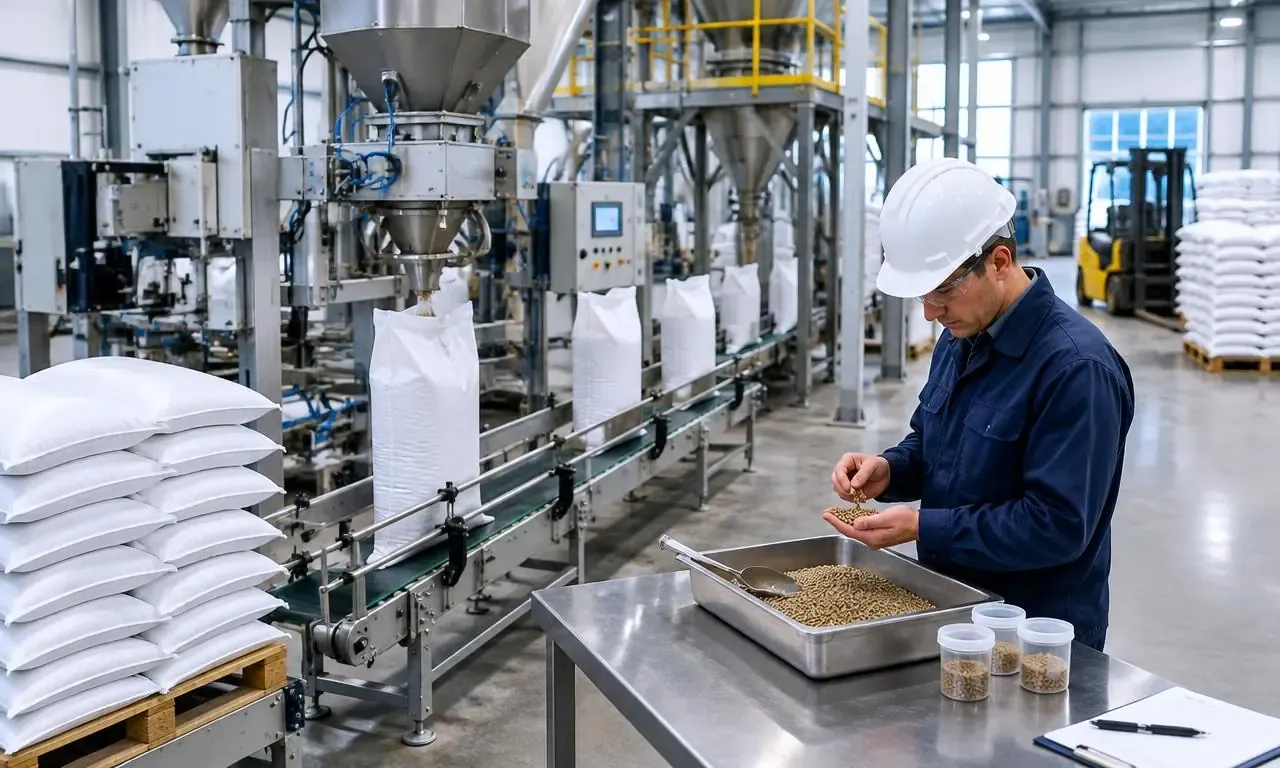
Compound feed bagging line and pellet quality check before dispatchEconomics

Industrial Animal Feed: Advantages & Economics

Why compound feed outperforms on-farm mixing, and where the economics turn.

Read guide
Feed buyer cross-checking a lot sample and specification papers at a laptopProcess

AI-Assisted Feed Procurement

Where software helps prepare an RFQ — and where human review stays mandatory.

Read guide
Procurement team organizing feed sample jars and request foldersProcess

FeedMatch Procurement Agent

How a brief becomes a reviewed, supplier-neutral request before any supplier is contacted.

Read guide
Feed mill cost bands compared by capacity in tonnes per hourFeed mill cost

Feed Mill Cost per Tonne by t/h

Installed cost bands for 2–20 t/h, the four main cost drivers, utilisation and working capital.

Read guide
Pellet press specification checked against the buyer's recipesPellet mill

Pellet Mill Buyer's Guide

Sizing a press to your recipes: die, motor, conditioning, real t/h per recipe and quote comparison.

Read guide
Feed mill return on investment worked out from the buyer's own figuresROI

Feed Mill ROI Calculator

Payback and return by capacity, using your own quotes, volumes and margins — no assumed figures.

Read guide

Start with the purchase, not the supplier list

A feed purchase begins with a production requirement. Finished compound feed, a protein meal and a concentrated additive solve different problems, so they cannot be evaluated with one generic enquiry. Write down what you need to receive, where it will be used, who approves the nutritional specification and when it must arrive. This separates product suitability from a supplier's sales presentation.

Choose your next guide according to the unresolved decision. Use the commercial-feed guide when comparing complete rations, the soybean-meal guide when defining an ingredient grade, and the incoming-QC guides when deciding how a delivery will be sampled and accepted. Read the import-documentation guide before committing to an overseas shipment, not after the cargo has left the origin. Additive buyers should resolve legal status and measurement units before comparing prices.

Buyer example

A buyer requesting 'poultry feed' may receive starter crumble, grower pellets and a concentrate intended for dilution. A clearer brief identifies the bird and stage, whether the product is complete or complementary feed, the approved nutrient requirements, physical form and delivery destination. The suppliers can then answer the same question.

Practical buying tips

  • Keep one version-controlled specification for every invited supplier.
  • Record missing information as an open question rather than filling it with an assumption.
  • Identify the person responsible for nutrition, import compliance and incoming quality before issuing the RFQ.

Keep technical suitability, delivered cost and acceptance separate

A useful evaluation has three gates. First establish whether the product meets the approved requirement. Then compare the cost of getting that product to the same receiving point. Finally check whether your contract and receiving process can verify what was promised. A low quotation does not compensate for an unsuitable product, and a technically strong product is not a workable purchase if its documents cannot support entry into the destination market.

Use the calculators with your own recorded inputs. A cost result is a scenario, not a supplier quotation; a formulation result is not a nutritionist's approval. Keep the source and date beside each input, especially freight, exchange rates, feed-use records and supplier-declared values. If a value is unknown, compare scenarios without presenting any one result as a confirmed outcome.

Buyer example

If one offer is priced at the origin port and another at your destination port, do not rank the headline prices. First identify the freight, insurance, handling, clearance and inland-delivery items that belong to each offer. Mark unquoted costs as pending; only then compare a common delivered basis.

Practical buying tips

  • Do not mix a delivered-cost comparison with an unverified performance claim.
  • Decide the sampling method and claim procedure before ordering.
  • FeedMatch’s USD 250,000 minimum applies only to plant and equipment projects; feed, ingredient, premix and additive purchases have no minimum and are reviewed by specification, volume/frequency and destination; human review is required before any supplier outreach.

Technical references

These references support general feed-safety, sampling or documentation principles. Product acceptance limits and current destination requirements must be confirmed for the actual purchase.

  • FAO / IFIF: Good practices for the feed sector

Tools that go with the guides

Feed calculators

Tonnage, shortages, storage and cost per kg produced — from your own inputs.

Buyer FAQ (100 answers)

Short answers on specs, Incoterms, documents and quality claims.

Country buying pages

Import documentation and official sources by destination market.

RFQ intake

Turn your requirement into a reviewed request for quotation.

Flagship Analysis

Why successful poultry projects begin long before equipment is purchased

A 6,000-word supplier-neutral analysis of the pre-equipment decisions that separate profitable poultry projects from underperforming ones — feasibility, biosecurity engineering, procurement discipline and financing structure.

Read the full analysis
Animal Feed RFQ Intake

Prepare your commercial animal-feed RFQ

Prepare a request for quotation for finished animal feed, feed ingredients, raw materials, premixes or additives. Enter your specifications, volumes and delivery terms, then download your RFQ or continue to the submission form. Supply inquiries are reviewed by specification, viable volume/frequency, destination and logistics—not a capital-budget minimum. Plant/equipment projects retain US$250,000 qualification. Human review and your authorization are required before supplier outreach.

Free for buyers; suppliers fund FeedMatch. No purchase obligation. Equipment/plant projects require a budget of at least US$250,000; separate feed supply has no capital-budget minimum.

FeedMatch Group · Global buyer desk

What you can consult us about

A person on our team reviews your requirements before any supplier is contacted. Plant/equipment projects retain their US$250,000 qualification; separate ingredient or recurring animal-feed supply inquiries are reviewed by specification, viable volume/frequency, destination and logistics, without that capital-project minimum. Supplier availability requires confirmation; animal feed is not fish or poultry for human consumption. FeedMatch is supplier-neutral and does not manufacture feed or build feed mills.

Feed & ingredient sourcing

Compound feed, raw materials, premixes and additives — we help you structure volumes, specifications and destination terms into an RFQ suppliers can quote on equal terms.

Browse the ingredient guides →

Comparable supplier offers

Use one written product specification, destination and delivery schedule so feed suppliers can quote against the same requirements. Review exclusions, quality documents and payment terms before choosing an offer.

How feed procurement works →

What to prepare for a feed or ingredient RFQ

  • Animal species and production stage the product is for
  • Product and written specification, including moisture basis
  • Monthly or annual tonnage and delivery frequency
  • Packaging (bulk, big bags or bags) and destination
  • Preferred Incoterm and delivery schedule
  • Quality documents you require (for example CoA or certificates)

What to compare in supplier offers

  • Same specification and moisture basis
  • Origin, quality documents and who issues them
  • Product price versus delivered (landed) cost
  • MOQ, packaging, freight and Incoterm
  • Lead time and payment terms
Estimate landed cost before you compare →

Suppliers are responsible for their offers, products, quality documents and delivery. Feeding and formulation decisions stay with your nutritionist.

What FeedMatch contributes to your procurement

  • A person reviews your requirements first; suppliers are contacted only with your authorization.
  • We clarify the specification with you, identify options across supplying markets, compare offers on the same basis and coordinate sourcing — supplier communication stays with FeedMatch.
  • We do not state composition, availability, certification, verification or landed cost on a supplier's behalf; those come from the supplier's own documents and offer.
  • Supplier-neutral position — RFQs structured so proposals can be compared on the same terms.
  • Consultation in English for buyers in any country. We do not guarantee response times, quote counts or outcomes.
Contact FeedMatch About FeedMatch
Choose the right request

Two different requests, two different supplier pools. Buying feed is not the same as building a plant — pick the one that matches your project so the questions and the shortlist stay relevant.

Feed supply for farms and integrators

Compound feed, concentrates, ingredients, premixes and authorised additives — by species, production stage, volume and destination.

You are here
Feed production project

New feed mills, aquafeed extrusion plants, premix lines, expansion and modernisation — by throughput, process, utilities and budget.

Feed mill project path

Plant and equipment projects start from a USD 250,000 budget; feed and ingredient supply requests are reviewed by specification, volume, destination and logistics. We are supplier-neutral: we do not manufacture, formulate, trade, certify, engineer or lend.

1. Buyer information

What are you sourcing?

Our team clarifies your requirements, identifies suitable options across supplying markets, compares offers on the same terms and coordinates sourcing with you. All supplier communication runs through FeedMatch. Fill in only what you know; leave the rest blank.

Request type

Commodity and delivery brief

State your actual annual quantity; leave it blank if unknown. Monthly volume is recorded separately, never extrapolated into an annual commitment.

Put the approved grade, assay/activity units, moisture basis and permitted alternatives in Additional requirements. Record destination, budget and delivery terms below; certification requirements are requests for evidence, not verified supplier claims.

2. Operation overview

Importing for the first time into this market? HS codes, required documents and import permits — the paperwork checklist to attach to your enquiry.

3. Commercial parameters

4. Financing (optional)

Not sure which instrument fits?

Explore trade finance, letters of credit and supplier payment terms for feed and raw-material purchases. Availability and terms depend on independent lenders and the transaction; financing approval is not guaranteed.

Financing instruments How it works in your RFQ Pre-qualify

FeedMatch is supplier- and lender-neutral. Selecting a financing instrument here lets suppliers align payment terms, documentation and Incoterms accordingly, and lets our team pre-screen the right independent partners for your journey.

Learn more about each option on our financing hub.

Submitting on behalf of a client? See the Consultant Partner Program or use the consultant RFQ intake.

5. Scope of supply

6. Technical specification (optional — enterprise buyers)

Give suppliers the nutritional and packaging targets they need to quote precisely. Everything here is optional but strongly recommended for tenders and recurring contracts.

7. Site utilities, local raw materials & supplier history

Describe receiving and storage constraints, ingredients available locally and suppliers already approached. These details help define the feed shipment and avoid duplicate supplier outreach; they are not a request for equipment or mill construction.

8. Additional requirements

Read: Buyer Terms · RFQ Terms · Terms of Use

The US$250,000 minimum applies only to plant and equipment projects, not feed or ingredient purchases. Continuing opens the RFQ Builder; it does not contact suppliers. Human review and your authorization are required before supplier outreach. FeedMatch is not a manufacturer or lender and does not guarantee quotes, financing approval or outcomes.

We use these details only to review and answer your request. Our team decides which suppliers to contact; your contact details are not passed to a supplier without your agreement. Customer, supplier, RFQ and project information, including files in private project rooms, is confidential: it is not published or used for marketing. Only authorised FeedMatch staff and service providers who need it for your request can access it, or where the law requires; selected suppliers receive only what they need to quote. Privacy Policy and your rights.

Availability and the ability to trade depend on the applicable law and on the licences and approvals required, which differ by product and country. Each participant is responsible for the rules that apply to its own role: suppliers for the products they offer and supply, buyers for their own import permissions and checks. FeedMatch is not a manufacturer, importer, exporter, seller or regulatory approver; it facilitates sourcing and screens requests before any supplier is contacted. Regulation & responsibilities.

New to structured feed sourcing? Why serious feed buyers need more than general marketplaces explains what a complete RFQ should contain and when a general B2B marketplace is enough.

FeedMatch Group logo — wheat sheaf and interlocking chevrons emblem representing the independent animal feed procurement and ingredient intelligence platform
FeedMatchGroup

Because we care more.

Global animal feed & ingredient procurement. Supplier-neutral sourcing of feed and raw materials for farms, integrators, feed mills and importers worldwide.

Follow us on LinkedIn
Chat with our team on WhatsApp+44 7936 808834
Language

Feed Procurement

  • Request a Feed RFQ
  • Get a Free Quote
  • Feed Procurement
  • Feed Procurement Platform
  • Commercial Procurement
  • Buyer's Guide
  • Tenders & Institutional Bids
  • Supplier Sourcing
  • Landed Cost by Trade Lane
  • Logistics & Freight

Feed & Ingredients

  • Feed Ingredients
  • Premixes, Additives & Feed-Grade Products
  • Feed by Species
  • Feed by Production Stage
  • Specification Library
  • Standards Library

Calculators & Tools

  • Innovation & Technology
  • Calculators & Tools
  • Free Project Planner
  • Feed Mill Operating Costs
  • Feed Mill Energy Calculator
  • Feed Mill Calculator

Company

  • About FeedMatch
  • How It Works
  • Buyer Intelligence
  • Become a Supplier
  • FAQ
  • Contact
  • Sitemap
Global B2B Group — Our Network

Specialist platforms of Global B2B Group, the parent marketplace for agricultural and food commodities. Explore the full network →

  • HatchMatch — Poultry
  • FishMatch — Aquaculture
  • ColdMatch — Cold Chain
  • SeedMatch — Seeds & Inputs
  • Visit: FishMatch · HatchMatch · SeedMatch · ColdMatch · Global B2B Group

FeedMatch Group is a human-led, supplier-neutral B2B procurement service for commercial animal-feed, feed-ingredient and feed-mill project buyers. Feed-mill plant and equipment projects start from USD $250,000; feed and ingredient supply requests are reviewed by specification, volume, destination and logistics. Every request is reviewed by our team — suppliers are contacted only after authorized human review.

FeedMatch prepares procurement project information and, only with separate explicit consent, may introduce it to independent providers. Procurement is free for buyers and supplier-funded. FeedMatch performs no underwriting, pre-approval, offer or credit decision. Legal classification requires jurisdiction-specific counsel review.

FeedMatch Group is the specialized animal feed and feed-ingredient procurement platform of Global B2B Group. FeedMatch Group is not a feed manufacturer, ingredient trader, commodity trader, distributor, broker, feed mill, nutritionist, veterinarian, EPC contractor, lender, bank, credit provider, financial advisor, investment advisor, insurer or underwriter. Any financing, leasing, trade finance, working capital or project-finance option mentioned on this website is provided solely by independent third-party financing providers, subject to their own eligibility checks, KYC, due diligence, compliance review, approval, terms and documentation. FeedMatch Group prepares project information and may introduce independent providers only with separate explicit consent. Legal classification requires jurisdiction-specific counsel review. FeedMatch does not guarantee financing approval, and is not responsible for any financing decision, offer, rejection, delay, cost, term or outcome. Quotes, feed, ingredients, additives, equipment, logistics, services, warranties, feed safety, nutritional outcomes, FCR and animal performance remain solely the responsibility of independent third-party suppliers, manufacturers, logistics providers or qualified professionals. See Terms and Disclaimer.

FeedMatchGroup.com · Global Animal Feed & Ingredient Procurement
Privacy·Terms·Buyer Terms·Supplier Terms·RFQ Terms·Cookies···Privacy requests·Confidentiality & security·Disclaimer·Legal Center·Accessibility·Accessibility Support
Privacy & Compliance· Status and your rights© 2026 FeedMatch Group · feedmatchgroup.com · All rights reserved.Earth with a sprouting seed — our responsibility commitmentWe support animal welfare, appropriate nutrition and good care conditions for animals, and practical environmental sustainability. As a group commitment, 2% of our profits will be invested in initiatives supporting the planet and animals.FeedMatch prepares procurement project information; it does not manufacture feed or equipment or make credit decisions. Financing-provider availability and relationships are not verified. Any future introduction requires separate explicit consent and jurisdiction-specific legal review. Operated from the Republic of Cyprus.Built for commercial animal-feed procurement — feed mills, integrators, importers, EPCs, governments and industrial farms. The USD 250,000 minimum applies only to plant and equipment projects, not to feed or ingredient purchases. Not intended for hobby, backyard, pet-owner or small retail purchasing.
CalculatorsGuidesFinancingRequest a Quote
WhatsApp