
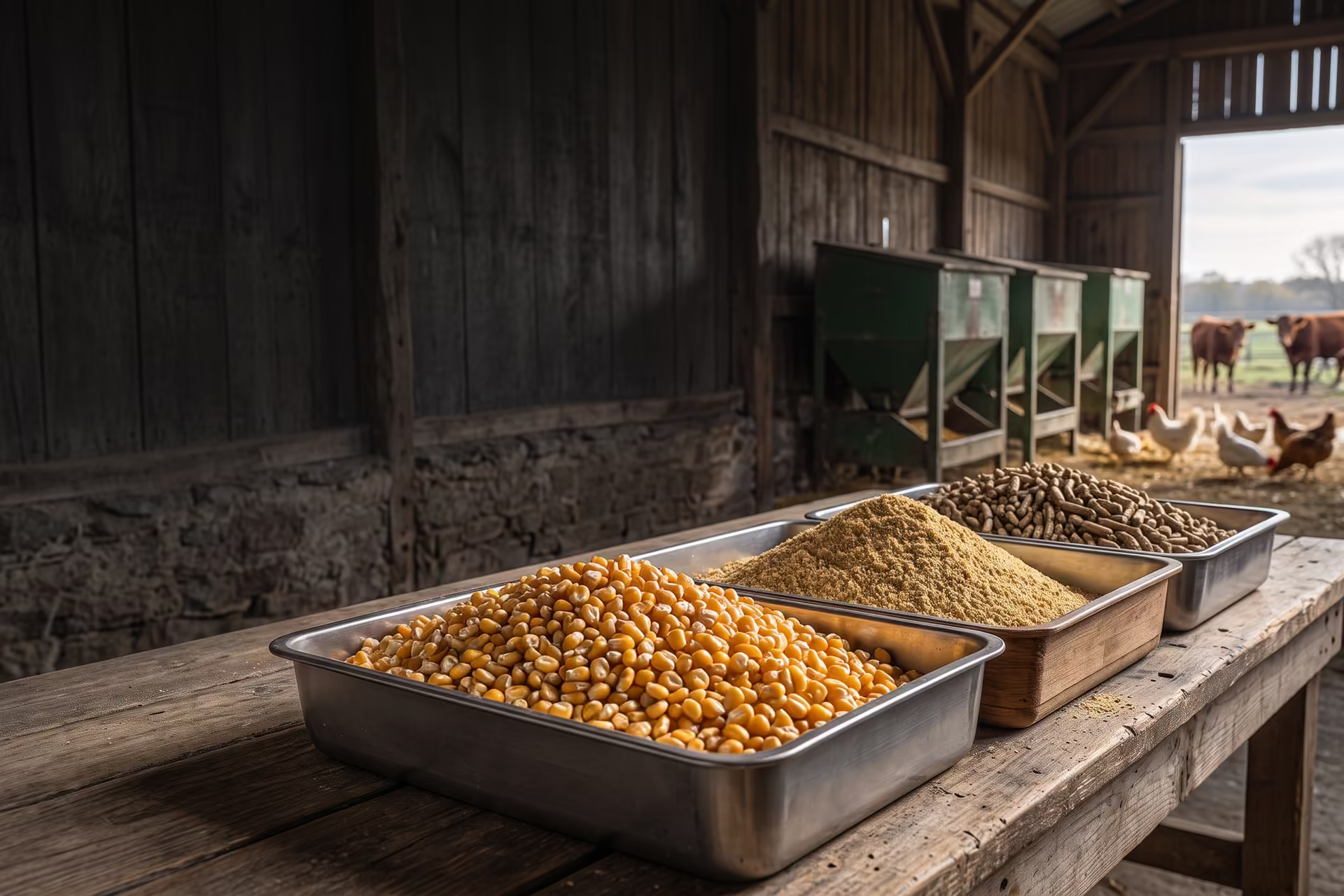
Supplier-neutral · Team-managed
Global Animal Feed & Feed Ingredient
Sourcing and Procurement
Tell us your feed requirements and goals. We build a structured RFQ and compare suitable offers.
Free buyer tools and project review · No purchase obligation
- Projects & bulk ingredientsUSD 250K minimum for plant and equipment projects only; feed and ingredient purchases have no minimum and are reviewed by specification, volume and destination
- Supplier-neutralCompare options around your needs, not paid placements
- Human-reviewed RFQClarify requirements before suppliers quote
- Organised global sourcingReview international options through one team
Free tools, clear insights, smarter decisions
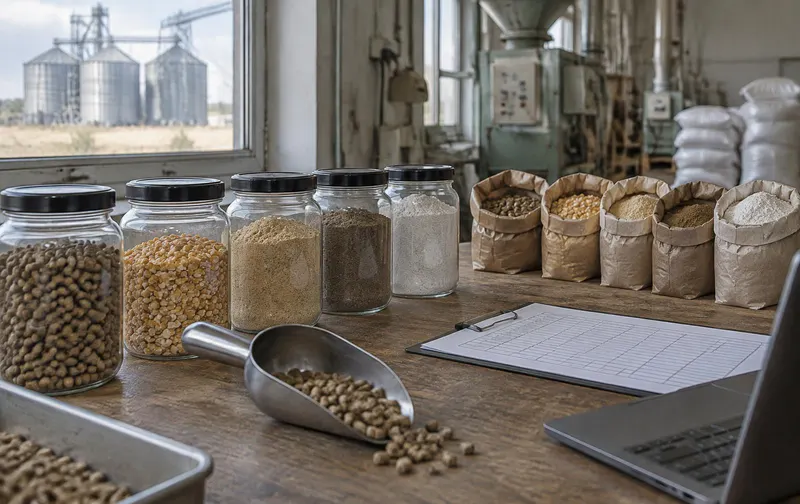
01Animal-feed sectors
Poultry, cattle & aquaculture feed requirements.
Define the species, production stage, feed form and delivery schedule before requesting supply. These resources support animal-feed planning—not human-food trading or unreviewed nutrition prescriptions.
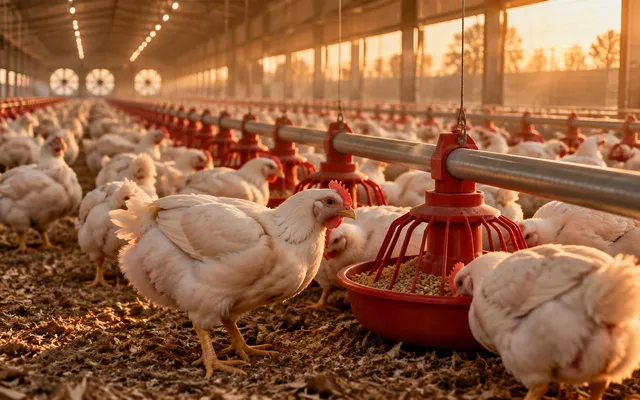
Poultry
Species and production stage, feed form, intake and flock records.
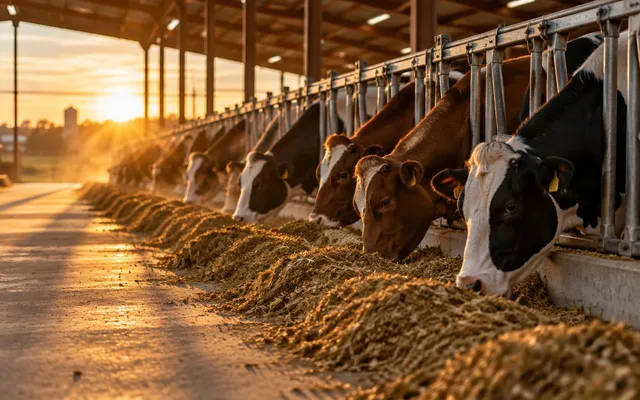
Dairy & beef
Herd requirements, approved ration inputs and delivery schedules.
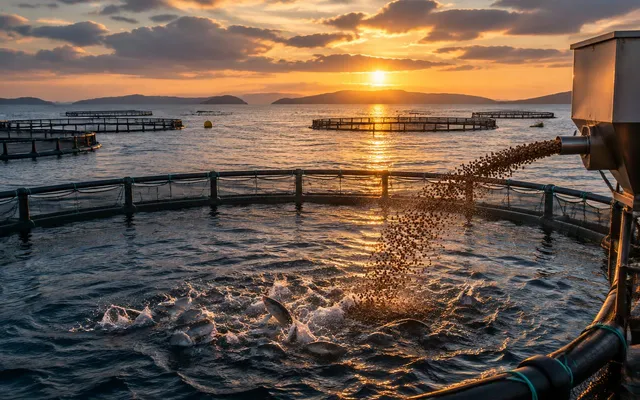
Fish & shrimp
Species, growth stage, pellet properties and measured feed use.
Illustrative images, not photographs of specific farms or suppliers.
02International feed ingredient trade
Maize, soybeans & soybean meal: trade and market history.
Compare annual reference prices, national cereal production and maize/soy import–export history. Check the measure, unit, reporting year and original source before planning a purchase.
- Maize (corn) · HS 1005
- Soybeans · HS 1201
- Soybean meal · HS 2304
International reference · Maize
Annual average reference price
203.2 USD/metric tonne
Latest observation: 2025
2021–2025 · actual. Missing years are not filled.
World Bank Pink SheetPublisher: Updated on September 02, 2026
Retrieved: 2026-10-26
Italy · Cereals
National cereal production (all cereals)
14,135,940 metric tonnes
Latest observation: 2024
2020–2024 · estimate. Missing years are not filled.
World Bank IndicatorsPublisher: 2026-10-08
Retrieved: 2026-10-26
Germany · Cereals
National cereal production (all cereals)
38,975,500 metric tonnes
Latest observation: 2024
2020–2024 · estimate. Missing years are not filled.
World Bank IndicatorsPublisher: 2026-10-08
Retrieved: 2026-10-26
Portugal · Maize
Maize imports, net weight
1,770,074.6 metric tonnes (net weight)
Latest observation: 2024
2020–2024 · estimate. Missing years are not filled.
UN ComtradePublisher: Publisher revision timestamp unavailable; extract may be revised
Retrieved: 2026-10-17
Historical context, not current supplier quotes or delivered prices. Country and commodity coverage is incomplete; original source definitions apply.
03A clear process
Five steps from RFQ to decision.
- 01
Submit a structured RFQ
Specification, species and nutrition needs, volume or capacity, delivery schedule, origin, destination, documents, packaging and preferred delivery terms.
- 02
We clarify the request
Our team reviews it and identifies potential suppliers or solutions. People make the decisions.
- 03
We coordinate suppliers
Supplier questions run through us; we collect comparable information and quotations where available.
- 04
Review offers side by side
Terms, specification, availability, documents, logistics assumptions and open risks on one basis.
- 05
You decide
Proceed or not — we coordinate the next steps with the supplier you choose.
Supplier checks are a review of the supplier’s profile and the documents it provides — not an on-site audit, product inspection or laboratory test. Offers, stock, prices, delivery windows and certifications are confirmed by suppliers for each RFQ. Your contact details reach a supplier only with your agreement. FeedMatch is not the producer, seller, importer of record, laboratory, customs broker or carrier.
04Built around buyers
Clarity before commitment.
Cross-border supplier discovery takes time, and quotations rarely arrive on the same basis. A confidential, buyer-first process reduces coordination work, widens your view of potential supply and surfaces open questions earlier — without promising savings or guaranteed supply.
Free buyer resources
Open planning tools and project review. No purchase obligation.
Human-led review
Your requirements come first. No automatic supplier outreach.
Supplier-neutral comparison
Keep specification, cost basis, documents and terms visible.
Project continuity
Plan without an account; sign in only to save a private workspace.
Define your feed production or sourcing project
For feed mills, poultry and aquafeed producers, integrators, farms and investors. Select your need, define the scope and send one brief. Our team reviews it before any supplier outreach and organizes any responses through FeedMatch. Buyer tools stay free; the US$250,000 project minimum applies to plant/equipment requests, not separate feed or ingredient supply inquiries.
Free for buyers; suppliers fund FeedMatch. Plant/equipment projects require at least US$250,000; separate feed/ingredient supply is reviewed by specification, volume/frequency, destination and logistics. Animal-feed inputs and production only — no human-food trading or guaranteed quotations.
- 1. What you need
- 2. Scope
- 3. Contact & review
Supplier-neutral · reviewed by a person · no direct supplier contact · Prefer the detailed form?
For commodity, annual volume, delivery window, certification requirements and budget details, use the detailed commercial RFQ. Keep equipment capacity separate from feed tonnes.
Supply feed ingredients, equipment or technical services?
Submit your company capabilities for team review. An application is not certification, independent verification or a promise of orders.
Submit supplier capabilities05Buyer FAQ
FeedMatch procurement: buyer questions & answers.
For bulk ingredient and feed buyers: what to specify, which documents to ask for and how offers are compared. Ingredient purchases have no minimum; the US$250,000 minimum applies only to plant and equipment projects.
Why do feed buyers use a sourcing partner such as FeedMatch?
Finding suppliers across borders takes time, and quotations arrive on different bases. FeedMatch turns one requirement into a structured RFQ, coordinates supplier questions and organizes offers so specification, terms, availability, documents and delivery can be compared. It does not promise savings, guaranteed supply or quality, or remove risk.
Can FeedMatch help with ingredients?
Yes. Buyers can request soybean meal, grains, DDGS, fish meal, amino acids, vitamins, minerals, premixes and feed additives against a defined specification: nutrient targets and quality limits (for example moisture, protein, aflatoxin), monthly volume, packaging or bulk, destination and Incoterm, required certificates and delivery timing.
Is there a minimum order for feed ingredients?
No. The USD 250,000 minimum applies only to plant and equipment projects. Ingredient, premix and additive requests are reviewed by specification, volume and frequency, destination and logistics. Retail or single-bag purchases are outside the service and are better served by a local distributor.
What documents should a bulk ingredient buyer ask for?
Ask each supplier for the product specification, a recent certificate of analysis linked to the lot or production period, the analysis method and laboratory, the origin, and the shipping, sanitary or phytosanitary certificates the destination country requires. FeedMatch helps request and compare these documents; it does not certify products or approve imports.
How can buyers compare feed suppliers or offers?
Compare offers on the same basis: identical specification, delivered (landed) cost per tonne including freight, duties and handling, payment terms, lead time, documentation and quality tolerances — not ex-works price alone.
What information is needed to request feed proposals?
Species and production stage, feed type and form, monthly or annual tonnage, the buyer's own nutrient specification, packaging, delivery destination and Incoterm, delivery schedule, required documents, and whether the purchase is one-time or recurring.
Does FeedMatch sell feed?
No. FeedMatch does not manufacture, trade, formulate, store or take title to feed, ingredients or equipment. Suppliers issue their own offers and the buyer contracts with them directly.
Will suppliers see my company name and contact details?
Only as you agree. Supplier communication runs through the FeedMatch team; offers are presented with supplier names withheld until an introduction is approved, and your details are shared with a supplier only when you approve that step.
Step-by-step sourcing method: Feed procurement guide · All buyer FAQs
06Buyer research path
Feed formula, FCR, cost per kg & mill capacity — then one RFQ.
Work through the questions in order with your own inputs: what the feed contains, how it converts, what it costs per kg of output and what capacity a mill needs. Each tool keeps its results so your request starts from facts. Check units and assumptions; nutrition decisions remain with a qualified specialist.
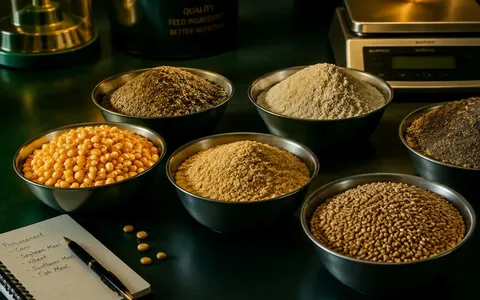 Step 1
Feed formula
Check ingredient shares, nutrient targets and cost per tonne with inputs your nutritionist approves.
Into your RFQ: Specification & ingredients
Open tool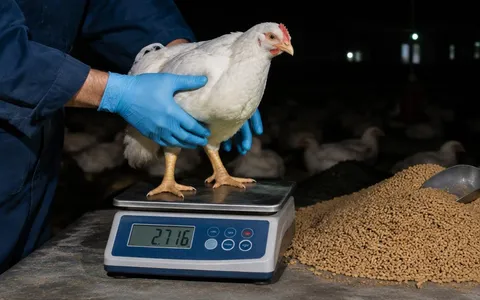 Step 2
Feed conversion (FCR)
Measure feed used against weight gained for the same group and period.
Into your RFQ: Species, stage & measured FCR
Open tool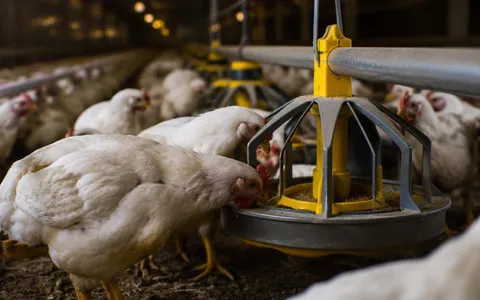 Step 3
Feed cost per kg
Turn your FCR and feed price into feed cost per kg of live weight.
Into your RFQ: A cost basis to compare offers
Open tool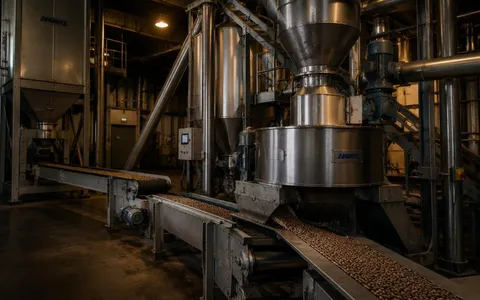 Step 4
Mill capacity
Size tonnes per hour, shifts and process steps against your annual demand.
Into your RFQ: Capacity & process scope
Open tool- Step 5
Send one structured RFQ
Bring your specification, FCR, cost basis or mill capacity into one request. Our team reviews it before any supplier is contacted.
Free for buyers. Plant and equipment projects start from US$250,000; feed and ingredient supply has no capital-budget minimum.
Start your RFQ
Also useful:Delivered cost comparisonAnnual feed procurement
07Project planning
Plan the feed procurement scope, budget & timeline.
Build a project brief with quantities, delivery country, technical requirements and milestones. Record your budget assumptions and compare responses on the same basis; sign in to save a private workspace.
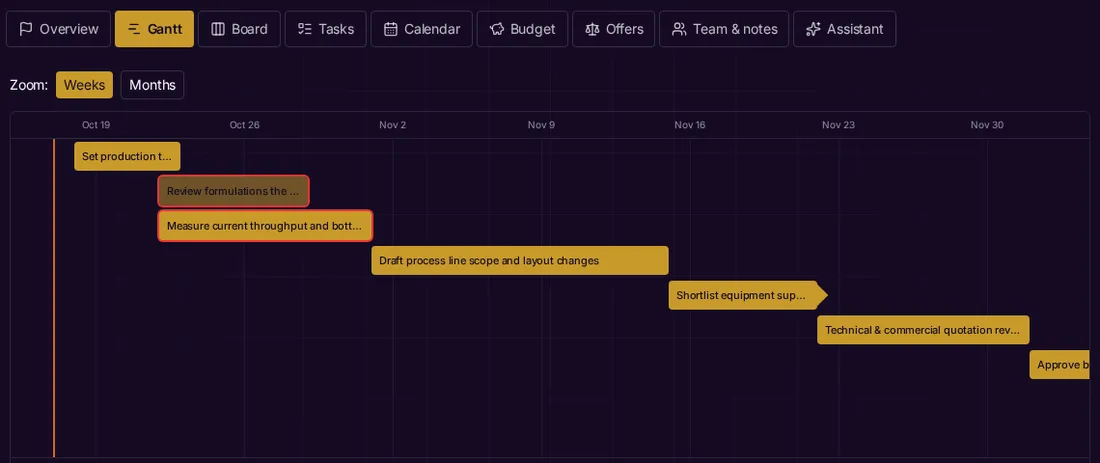
A reusable project brief
Document quantity, delivery country and missing specifications.
Like-for-like offer review
Keep cost basis, documents, exclusions and approvals together.
Tasks & timelines
Record owners and dependencies; dates are your planning inputs.
08Knowledge library & blog
Animal-feed sourcing guides & procurement checklists.
Prepare ingredient specifications, evaluate feed equipment and compare procurement options. Browse the knowledge library for structured guidance or read the latest articles below.
Sourcing
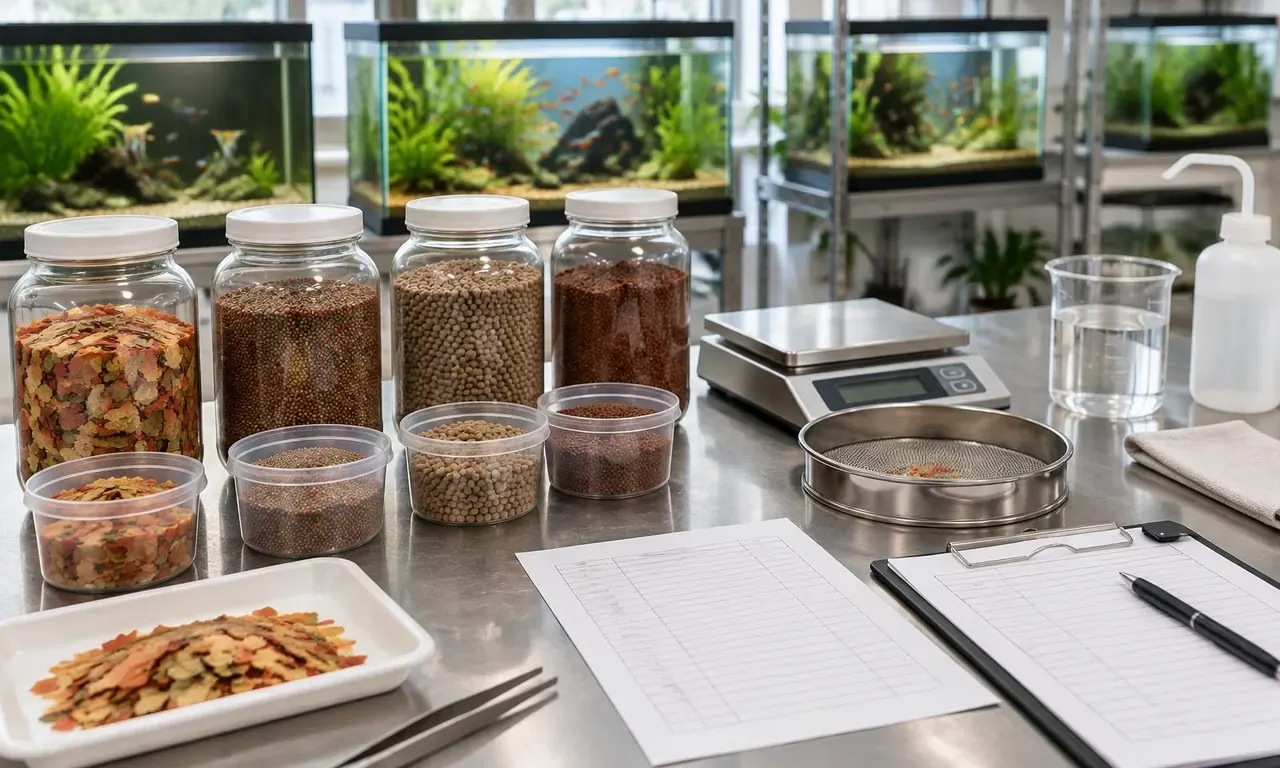
Canadian Ornamental Fish Feed Exports to Costa Rica: What the New Access Means, and Who Can Ship
CFIA has secured access for Canadian ornamental fish feed to Costa Rica. Here is what the announcement says, which products fit, and the establishment, product and certificate steps that come before any shipment.

Procurement
From Market Research to a Qualified Feed Trade Deal: A Practical Market-Entry Checklist for Animal Feed and Ingredients
Trade-promotion agencies help companies pick markets, understand requirements, reduce entry risk and meet suitable partners. This checklist applies the same discipline to feed and feed-ingredient trade, ending in a qualified RFQ rather than a cold introduction.
Procurement
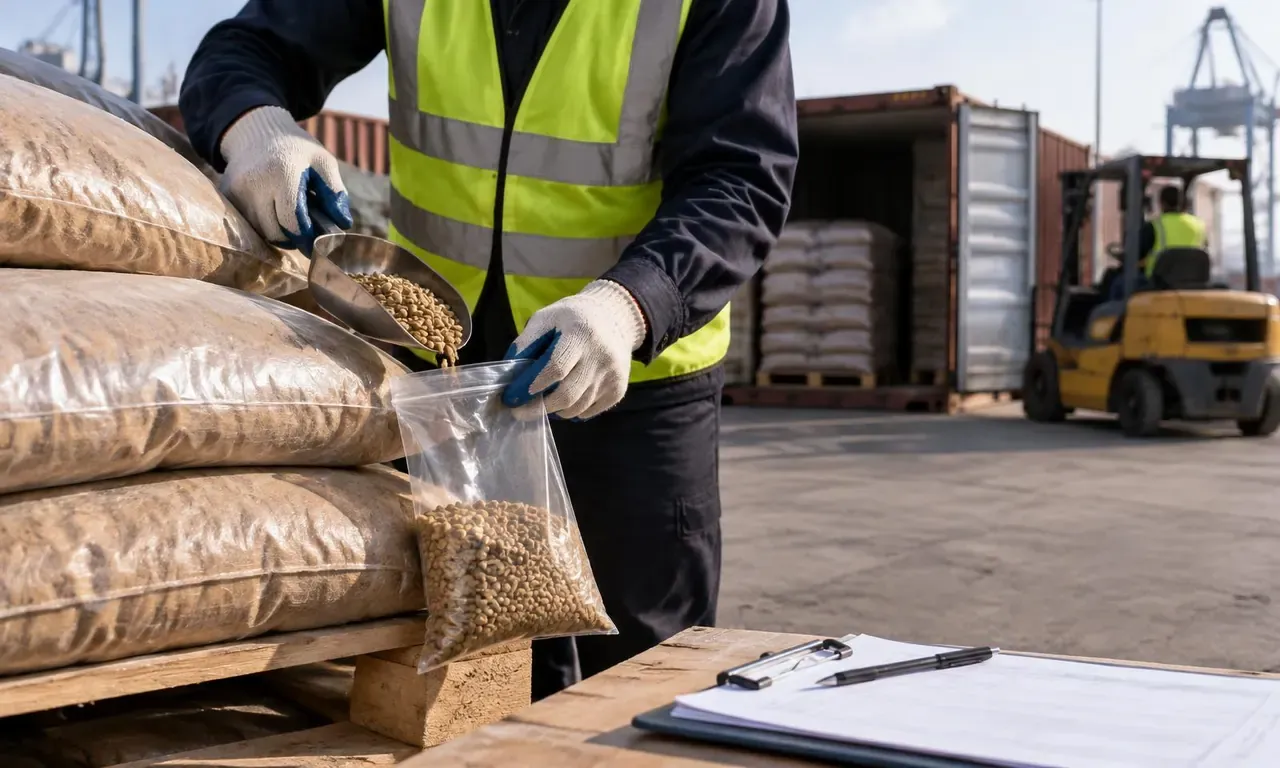
Exporting Animal Feed and Feed Ingredients to the United States: FDA Registration, Prior Notice, FSVP, USDA Permits and State Feed Licensing
A route guide for feed and feed-ingredient suppliers and US buyers: the requirements FDA and USDA state for imported animal food, how three states license commercial feed, the checks that remain open, and how to turn them into a qualified RFQ.
09Country & language resources
Feed procurement by destination country.
Use country guides to prepare delivery, import-documentation and logistics questions. Existing language editions provide local context; a country page does not establish supplier coverage or availability.
Historical explorer markets include Italy, Germany, Portugal and Spain. Use the language selector for existing editions; local requirements still need specialist review.
FeedMatch is not a nutrition consultancy or a lender. Any optional external financing review requires consent and independent approval.
Explore the Global B2B Group
Feed sourcing and production connect with cold-chain logistics, poultry and hatchery projects, aquaculture, and seed and greenhouse inputs. Each sister platform runs its own human-led procurement service; buyers of agricultural and food commodities are served by the parent marketplace, Global B2B Group.
 Current platform
FeedMatch
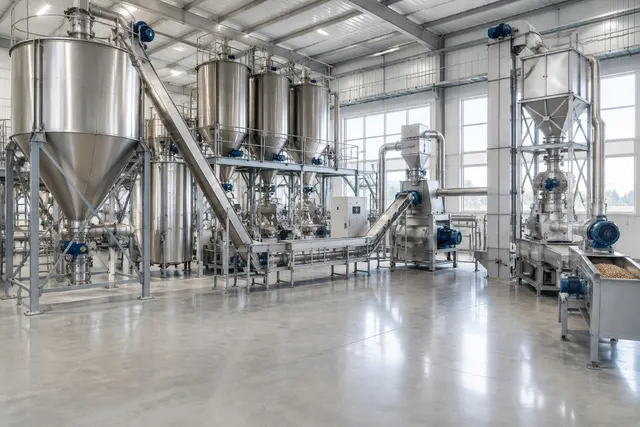
Feed ingredients, feed production lines, storage and handling — the platform you are on.
You are here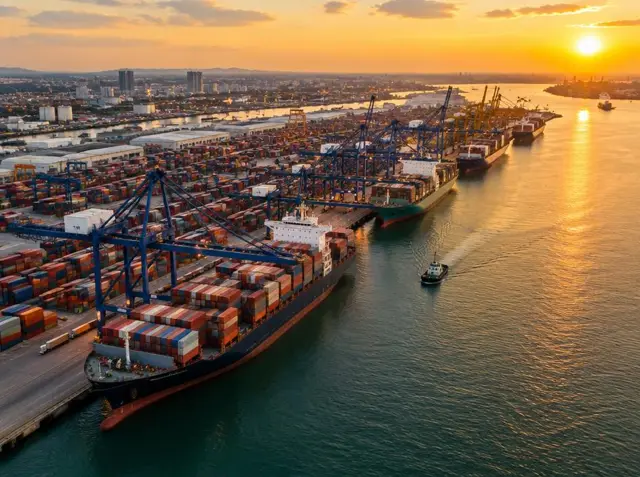
Global B2B Group
The parent group and buyer-first marketplace for agricultural and food commodities — seafood, poultry, eggs, fruit and vegetables — from US$250,000 per order.
Source commodities through Global B2B Group (opens in a new tab)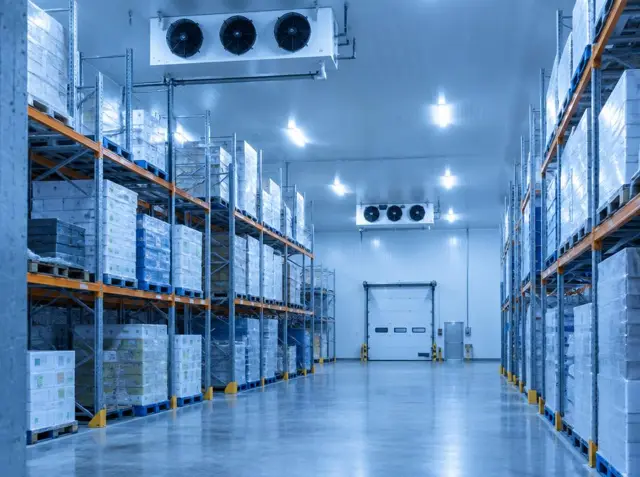
ColdMatch
Industrial refrigeration, cold storage and cold-chain logistics projects.
Explore cold-chain sourcing on ColdMatch (opens in a new tab)
HatchMatch
Poultry and hatchery projects, equipment, and poultry and egg sourcing.
Explore poultry projects on HatchMatch (opens in a new tab)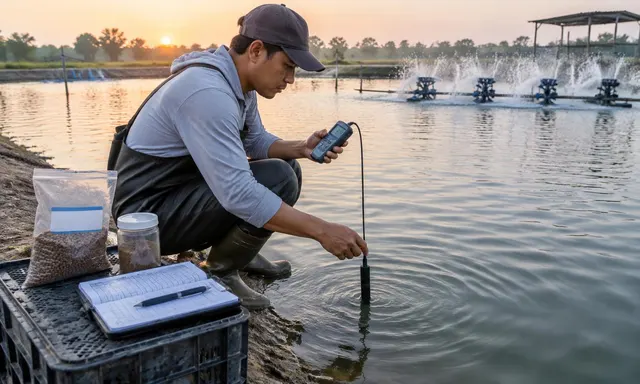
FishMatch
Aquaculture, fish and shrimp production, equipment and sourcing.
Explore aquaculture sourcing on FishMatch (opens in a new tab)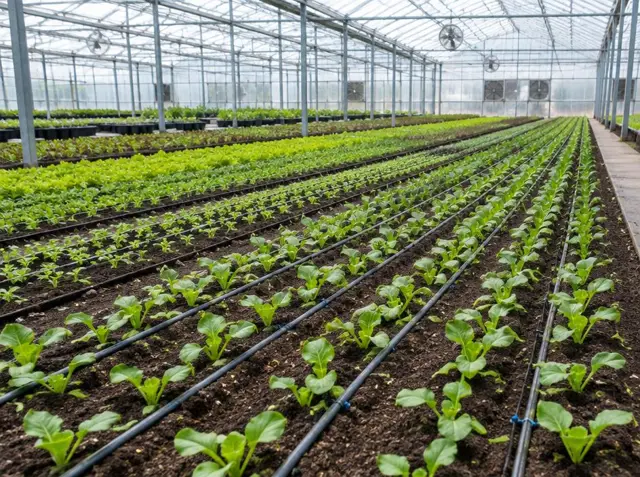
SeedMatch
Seeds, greenhouses, irrigation and agricultural inputs.
Explore crop inputs on SeedMatch (opens in a new tab)
10Terms & responsibilities
Terms of use, privacy & procurement responsibilities.
Review how FeedMatch handles your inquiry and the responsibilities of independent suppliers and qualified professionals before sharing project information.
- Buyer terms
Review the terms that apply to buyer requests and managed procurement.
- Privacy policy
Read how personal information is handled and how to exercise your privacy rights.
- Service limitations
Understand third-party responsibilities and the limits of tools and educational content.