
FinancingFeed working capital, export credit, trade finance & asset leasing — explore options

Project gallery

Feed mill project gallery and case studies

Short answer · reviewed September 2026

What does a feed mill project actually look like?

A feed mill is a sequence of process areas — intake and storage, grinding, batching and mixing, pelleting or extrusion, cooling and drying, automation, bagging and outloading. The gallery below shows those areas, and the case studies show how requirements of US$250,000 and above were defined, issued as one structured RFQ and compared on the same basis.

Typical feed mill project profiles

Typical feed mill project profiles — values reviewed September 2026 by FeedMatch Group
MetricValueUnitBasis
Livestock pelleting mill5–20t/hEquipment band US$0.9M–3.0M, mash or pelleted feed
Aquafeed extrusion line2–8t/hEquipment band US$1.5M–4.0M, floating or sinking pellet
Capacity expansion+50–150% outputScoped around the limiting stage, not the pellet mill alone
Minimum project size250,000USDFeedMatch structures projects from this band upward

Sources · Feed mill planning workflow · How to compare feed mill quotations

Ranges are indicative buyer-side benchmarks compiled by FeedMatch Group from supplier offers and the sources above; verify against a current quotation before budgeting.

Process areas in a feed production project

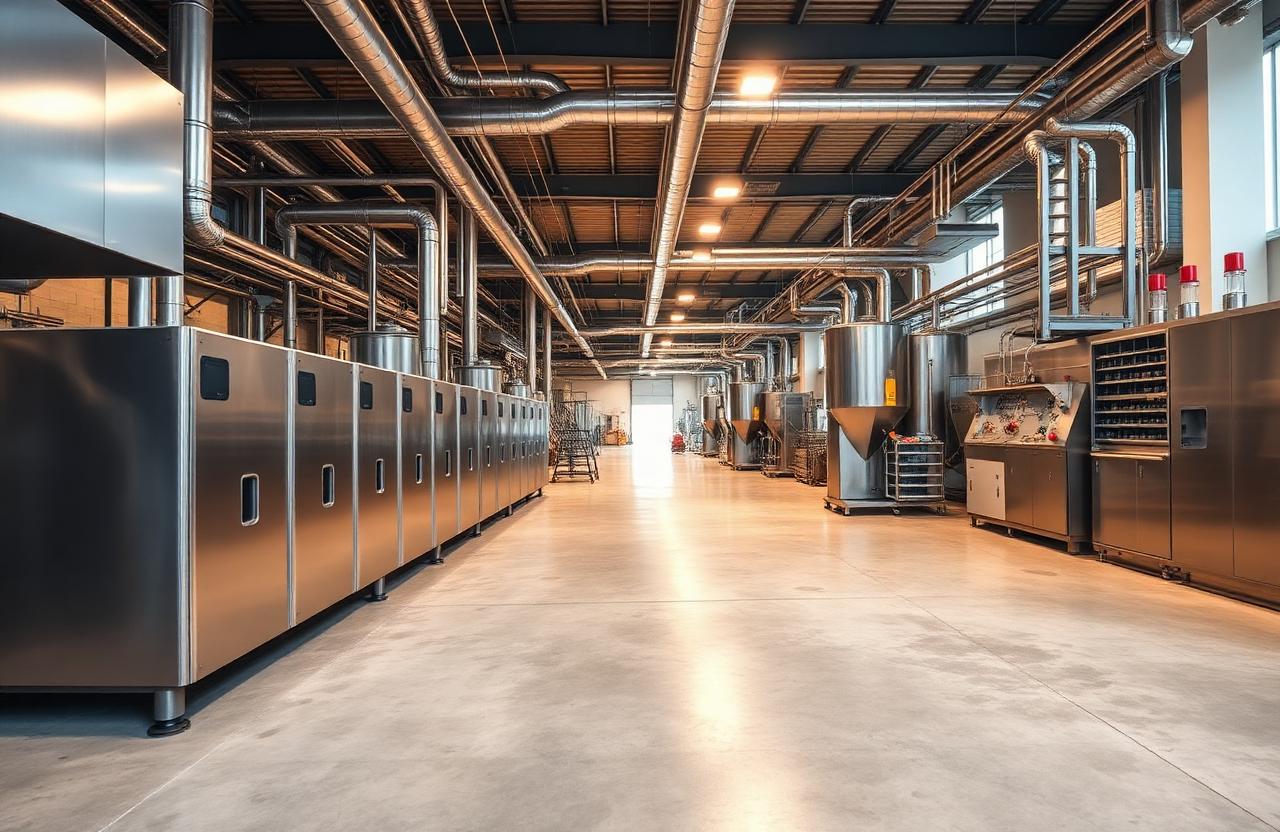
Pelleting line inside a commercial animal feed mill, with grinding, conditioning and cooling equipment in sequence

Pelleting line — 10 t/h livestock feed

Grinding, batching, mixing, conditioning, pelleting and cooling in one line. In an RFQ this is quoted as a process route with a stated capacity basis, not as a list of machines.

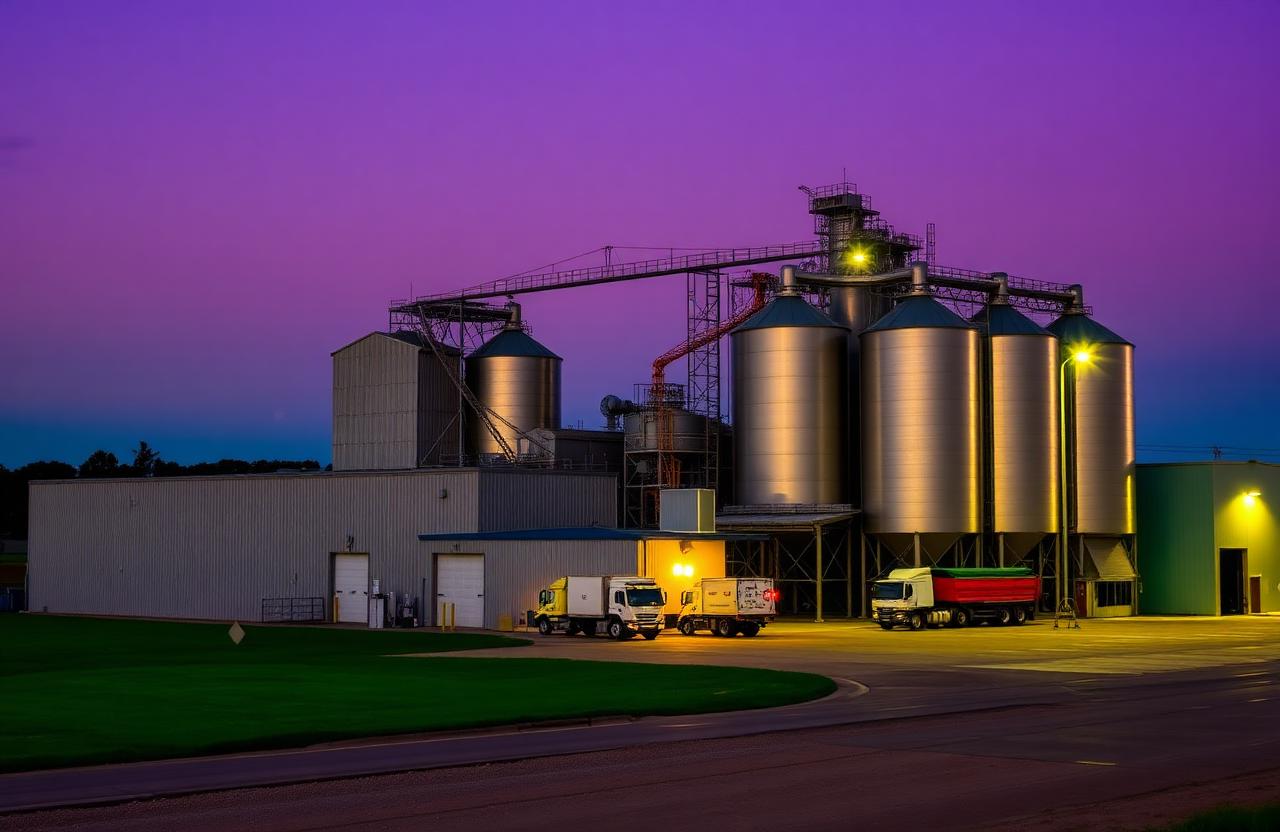
Feed mill exterior with raw material silos and truck loading bays at dusk

Raw material intake and storage

Intake, silo volume and outloading decide whether the mill can actually run at nameplate capacity. Storage days are part of the specification, not an afterthought.

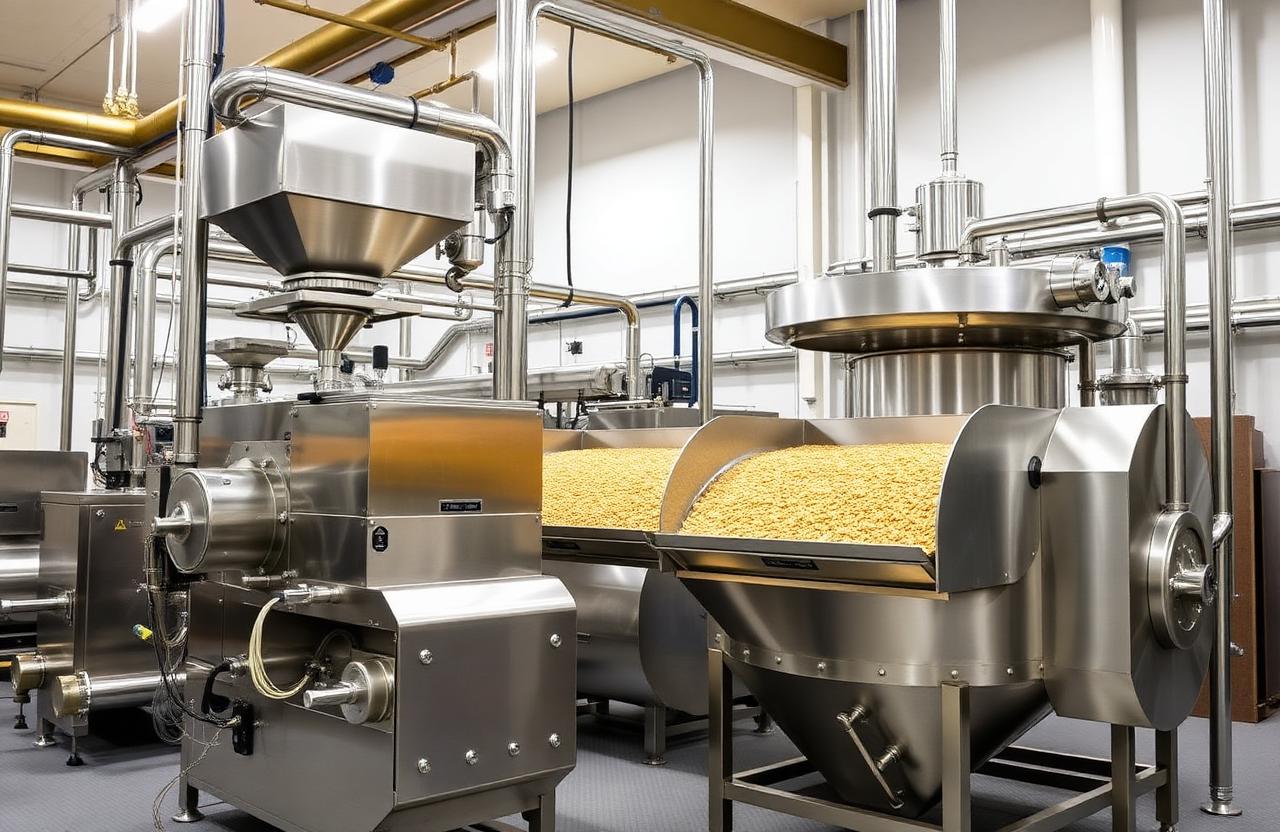
Twin-screw extrusion and drying line for aquafeed production inside a factory

Aquafeed extrusion and drying

Extrusion projects change the cost base: dryer, cooler, coater and energy demand dominate. Aqua and pet lines are quoted on density and durability targets, not tonnes alone.

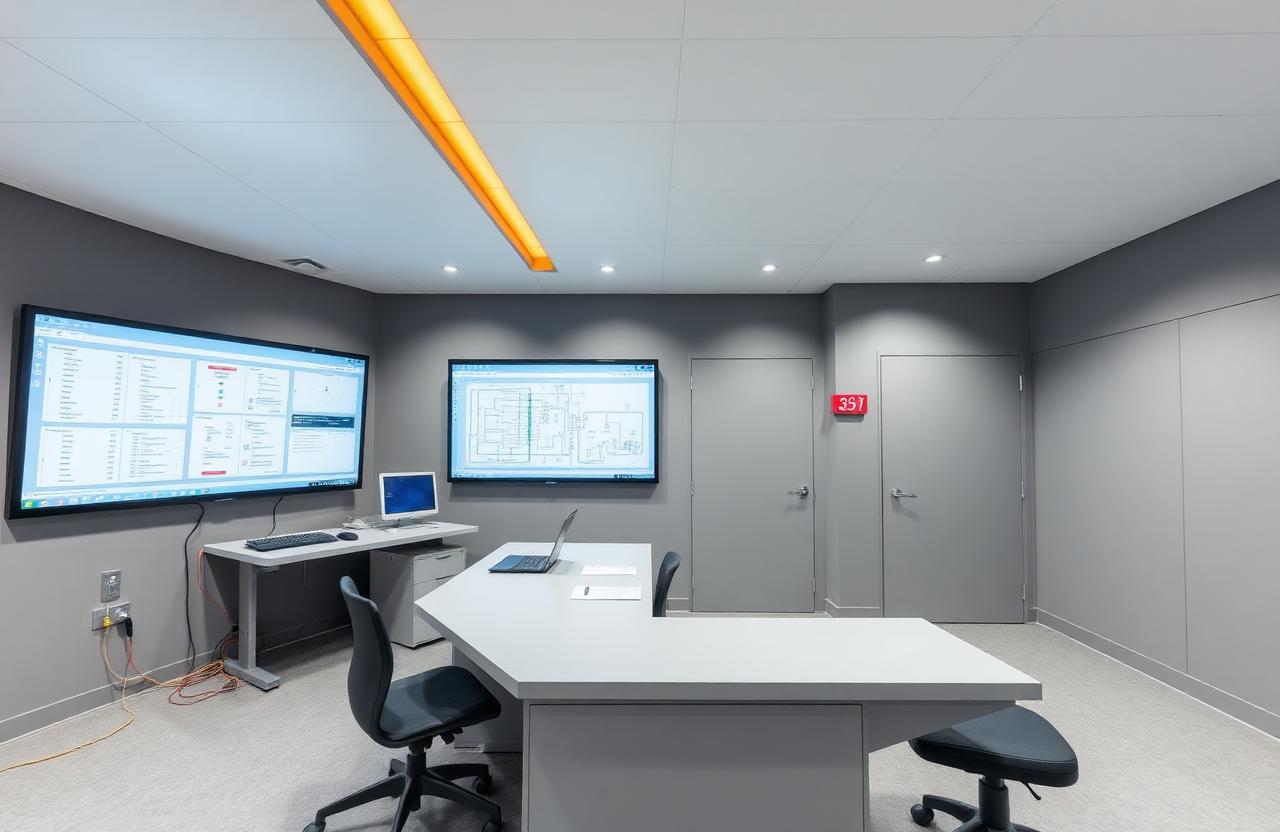
Feed mill control room with automation screens showing process schematics

Automation and process control

Batching accuracy, traceability and recipe management sit in the automation scope. Defining the automation level before the RFQ is what keeps offers comparable.

Images are illustrative of feed mill equipment and process areas. They are not photographs of a named client plant and do not imply endorsement by any manufacturer.

Case studies — anonymised project profiles

Each profile below is anonymised: region, scope and budget band are representative of the projects FeedMatch structures. Client names, suppliers and commercial terms stay confidential.

West AfricaUS$1.8M–2.4M equipment band

New 10 t/h poultry and layer feed mill

The problem
Three supplier quotations arrived on different capacity bases — one at nameplate, one at realistic throughput, one excluding intake and outloading.
How it was structured
Capacity, moisture basis, process route and battery limits were fixed in a written requirement before re-issuing a single RFQ.
Outcome
Offers became line-comparable; the scope gaps (intake, dust filtration, spare parts) were priced instead of discovered during commissioning.
Southeast AsiaUS$2.5M–3.6M equipment band

Aquafeed extrusion line, 5 t/h floating pellet

The problem
Energy cost per tonne and dryer capacity were absent from every offer, making the cheapest quotation the most expensive over five years.
How it was structured
kWh per tonne, dryer throughput at target moisture and spare-part pricing were added as mandatory RFQ fields.
Outcome
Total cost of ownership over five years, not purchase price, drove the shortlist.
Eastern EuropeUS$900K–1.4M equipment band

Capacity expansion from 8 t/h to 20 t/h

The problem
The mill assumed a bigger pellet mill was the answer; the real constraint was grinding and cooling capacity.
How it was structured
A bottleneck review across intake, grinding, mixing, pelleting and cooling identified the limiting stages first.
Outcome
The expansion package was re-scoped around the actual constraint, avoiding equipment that would not have raised output.
Latin AmericaUS$650K–1.1M equipment band

Cattle and dairy mash plant with premix line

The problem
Micro-dosing accuracy and traceability requirements were verbal, so automation scope varied wildly between suppliers.
How it was structured
Automation level, batching tolerance and reporting requirements were written into the specification.
Outcome
Automation was quoted as a defined package instead of appearing later as change orders.
Middle EastUS$3.2M–4.5M project band

Turnkey feed mill with bagging and bulk outloading

The problem
Civil works, erection, utilities and customs duties sat outside every equipment quotation.
How it was structured
A landed-cost comparison put equipment, freight, duties, erection and utilities on one sheet.
Outcome
The delivered project cost — not the FOB equipment price — became the comparison basis.
South AsiaUS$1.2M–1.9M equipment band

Pet food production line, 2 t/h

The problem
Product specification (kibble density, fat coating, shelf life) was undefined, so process guarantees could not be requested.
How it was structured
Finished-product targets were defined first, then translated into process guarantees inside the RFQ.
Outcome
Suppliers quoted against measurable performance criteria that could be tested at commissioning.

Plan a project like these

New to the process? A feed mill is a project — not a product search walks the full flow from species and capacity to comparable manufacturer proposals.

Frequently asked questions

Are these feed mill case studies real projects?
They are anonymised, representative project profiles drawn from the patterns FeedMatch sees in feed mill procurement — capacity, region, budget band and the specific comparison problem. Client names, suppliers and commercial terms are confidential and are never published. The photographs are illustrative of feed mill equipment and process areas, not photographs of a named client plant.
What does a feed mill project gallery show a buyer?
It shows what each part of a feed production project actually is: intake and storage, grinding and mixing, pelleting or extrusion, cooling and drying, automation, bagging and outloading. Seeing the process areas makes it easier to write a specification that covers every battery limit before manufacturers are asked to quote.
How large are the feed mill projects FeedMatch works on?
Feed mill and feed production projects of US$250,000 and above — new mills, production lines, capacity expansions and automation upgrades. FeedMatch is supplier-neutral: it structures the requirement and normalises the offers, while engineering and formulation decisions stay with the buyer's own team.
What is the most common reason feed mill quotations cannot be compared?
An undefined capacity basis and undefined battery limits. One supplier quotes nameplate capacity on an ideal formula, another quotes realistic throughput, and intake, dust filtration, erection or spares fall in or out of scope silently. Fixing capacity basis, process route, automation level and battery limits in writing before the RFQ removes most of that variance.

Bring your own project

Submit species, capacity, process route, automation level and budget band. A human advisor turns it into a written requirement and issues one structured RFQ to verified manufacturers. FeedMatch is supplier-neutral and works on feed projects from USD 250,000 upward.

Get a Free QuoteExplore Financing