
The Cost of Sourcing Alone: How a Wider Procurement Network Helps Buyers Make Better Decisions
A practical guide to turning a one-off purchase into a structured, buyer-first sourcing decision.
Short answer · Updated October 2026
Short answer: The Cost of Sourcing Alone: How a Wider Procurement Network Helps Buyers Make Better Decisions
A buyer sourcing alone usually sees only their own contacts, their own quote and their own deadline. A structured, buyer-first sourcing process widens what the buyer can see before deciding: more relevant options, requests that all ask the same questions, and offers compared on total cost, quality, delivery, fit and…
Key takeaways
- Buying alone is not a mistake in itself; the risk is what stays out of view when only one or two offers reach the desk.
- The Chartered Institute of Procurement & Supply describes strategic sourcing as a deliberate process of understanding the need and the market before choosing suppliers, and total cost of ownership as looking beyond purchase price to all…
- Ask every supplier for the same items and compare them line by line, not only on the headline price per tonne.
- A farm buying compound feed can compare formulation or specification, ingredient and nutrition documents, batch and traceability details where the supplier provides them, delivery cadence and reliability, storage and handling on the farm…
- A wider sourcing network helps for a simple reason: more relevant options, asked the same questions, show what a reasonable offer looks like.
FeedMatch Editorial Desk
Editorial Team
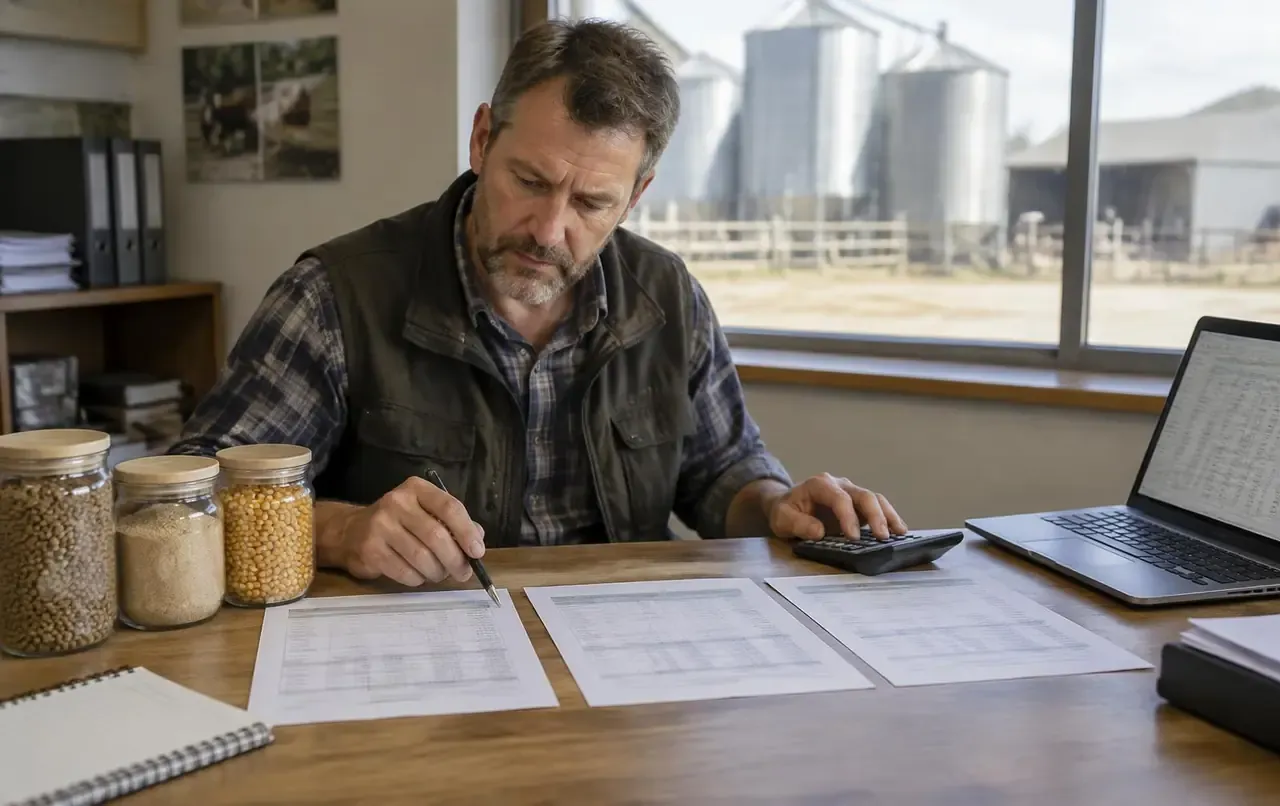
A poultry farm manager needs the next three months of layer feed, and the silo is running low.
The usual supplier sends a price by phone. A second contact promises to call back.
The decision gets made on the one number that arrived in time.
Weeks later the questions start: was freight included, why was delivery late, which batch went where?
Nothing in that story is unusual, and nobody did anything wrong.
A buyer sourcing alone usually sees only their own contacts, their own quote and their own deadline. A structured, buyer-first sourcing process widens what the buyer can see before deciding: more relevant options, requests that all ask the same questions, and offers compared on total cost, quality, delivery, fit and risk together — while the buyer stays in control of the final choice.
The blind spots of buying alone
Buying alone is not a mistake in itself; the risk is what stays out of view when only one or two offers reach the desk.
- Narrow discovery. The shortlist is whoever you already know.
- Inconsistent requests. “Price for 200 t of layer feed” lets each supplier decide what is included, so the answers do not match.
- Price-only comparison. The price per tonne hides differences in specification, delivery terms and payment.
- Hidden delivered and lifecycle costs. Freight, unloading, storage losses, duties, bags versus bulk and rejected loads appear after the order.
- Admin time. Chasing answers, samples and documents takes days the farm or mill rarely has.
- Continuity and documentation gaps. One supplier, no back-up, and analysis reports requested only when something goes wrong.
What a wider, structured sourcing process adds
The Chartered Institute of Procurement & Supply describes strategic sourcing as a deliberate process of understanding the need and the market before choosing suppliers, and total cost of ownership as looking beyond purchase price to all costs over the life of a purchase. These are general procurement principles, not an endorsement of any platform. Applied to feed buying, it comes down to five practical steps:
- Define the need and the specification. Species and production stage, feed form, the specification set by your nutritionist, volumes, delivery cadence, destination, packaging and the documents you need. The free feed RFQ checklist helps.
- Submit one structured RFQ. Write the requirement once, in the RFQ builder or the request form, so every supplier answers the same questions.
- Source relevant options. The request goes to suppliers chosen for the product and destination, not only to existing contacts. Your current supplier can stay in the comparison.
- Compare like for like. Every offer is set out in the same fields: price basis and Incoterms rule, freight, minimum order (MOQ), lead time, quality and specification, documentation, payment terms, service and supply continuity. The landed cost calculator, the supplier TCO comparison and dated data in the Market Intelligence Center show whether an offer adds up.
- Do due diligence, then choose. Check documents, samples and contract terms directly with the shortlisted supplier, record the reasons for the choice and decide. The buyer decides; the platform does not choose for you.
Technology organizes the work: forms, comparable fields, calculators and records. Human expertise adds context — whether a specification fits the stated use and what is still missing. Scale can widen the pool of relevant options. None of it replaces due diligence, and FeedMatch is a sourcing intermediary, not the manufacturer, producer or operator of any supply.
What to compare
Ask every supplier for the same items and compare them line by line, not only on the headline price per tonne.
- Specification and formulation basis, with the supplier's analysis documents
- Ingredient and nutritional documentation, and batch or traceability information where available
- Price basis, currency and validity
- Freight, unloading and full delivered cost
- Lead time, delivery cadence and record of on-time delivery
- Minimum order, packaging and storage or handling needs
- Payment terms and what happens if a load is rejected
- Service, technical support and back-up supply
| Factor | Buying alone may miss | Structured sourcing can compare |
|---|---|---|
| Supplier options | Only known contacts | Relevant suppliers found for the product and destination, plus your existing ones |
| Specification | Different interpretations of “layer feed” | The same written specification and documents asked of every supplier |
| Cost | Headline price per tonne | Delivered cost and cost over the supply period |
| Delivery | A promised date | Lead time, cadence, minimum order and delivery terms side by side |
| Quality evidence | Assurances by phone | Which documents were provided, checked or still missing |
| Risk | Single source, no back-up | Continuity, alternatives and open questions recorded |
| Decision record | Memory and messages | A written comparison the buyer can review and defend |
A farm feed example, handled carefully
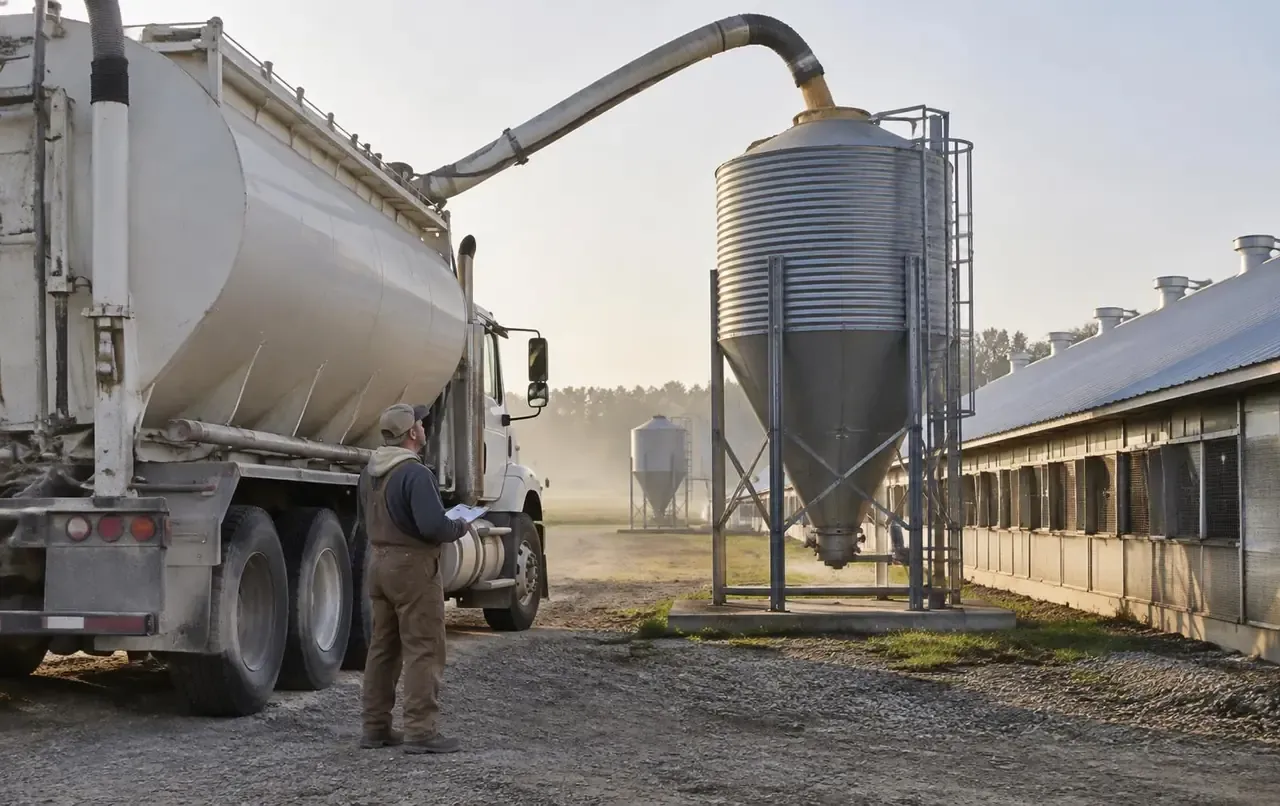
A farm buying compound feed can compare formulation or specification, ingredient and nutrition documents, batch and traceability details where the supplier provides them, delivery cadence and reliability, storage and handling on the farm, minimum order, freight and full delivered cost. The sourcing process should not decide what the animals need: a qualified nutritionist or veterinarian validates suitability, and local authorities set registration, labelling and import rules.
Feed safety is part of the purchase. The FAO and IFIF manual Good Practices for the Feed Industry explains how to apply the Codex Alimentarius Code of Practice on Good Animal Feeding, which aims at feed safety across the food chain, including procurement, handling, storage, processing and distribution of feed. The World Organisation for Animal Health's chapter on controlling hazards of animal health and public health importance in animal feed covers the same stages. These are general guidance documents; they do not endorse FeedMatch, and this article is not veterinary or formulation advice.
The network effect, stated precisely
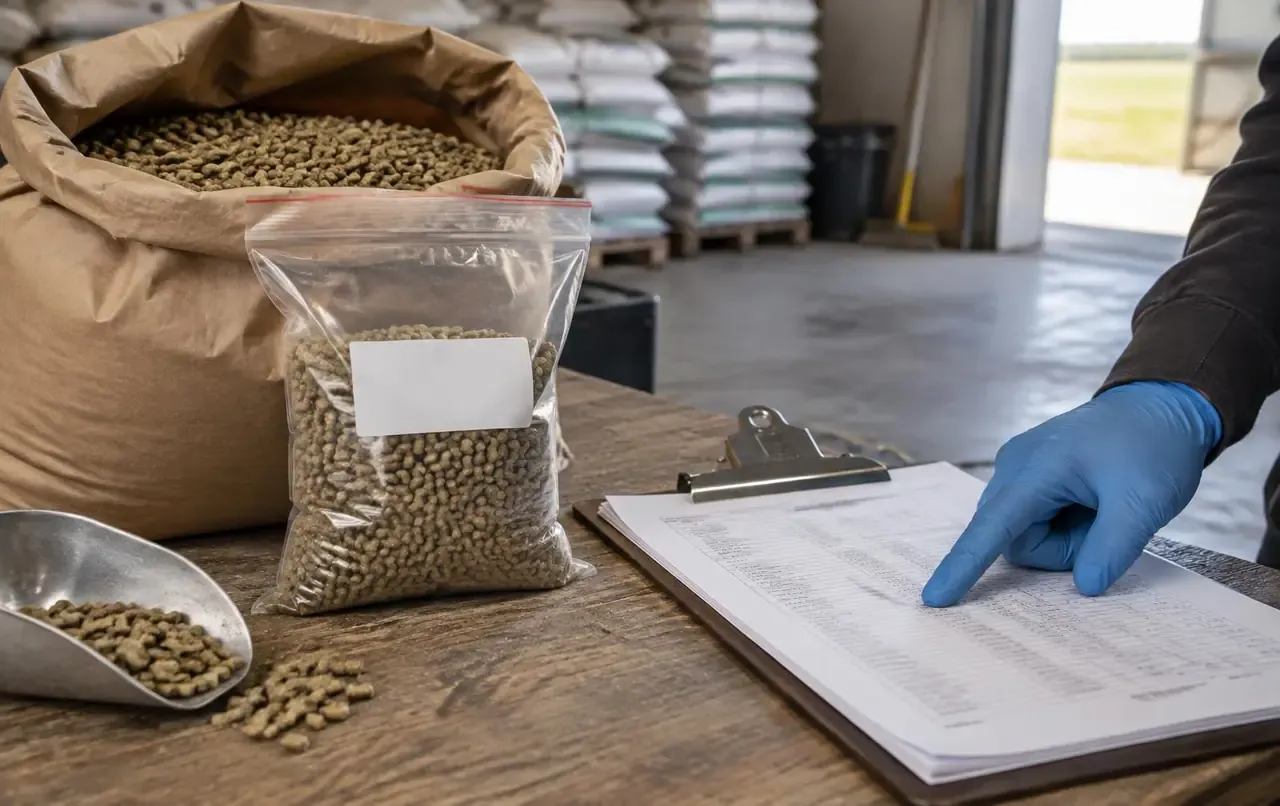
A wider sourcing network helps for a simple reason: more relevant options, asked the same questions, show what a reasonable offer looks like. Shared market learning can improve decisions when the information is current, comparable and gathered lawfully and ethically. It does not guarantee a lower price, savings or a better outcome, and FeedMatch claims no proprietary dataset of buyer prices.
For the full step-by-step method, see the structured feed sourcing framework and the guide on preparing a procurement-ready feed RFQ.
Bring your requirement to a structured comparison
FeedMatch Group is a buyer-first, supplier-neutral feed sourcing intermediary. A person on the team reviews each request, approaches suitable suppliers and presents their responses for comparison; there is no direct buyer-to-supplier contact, and every decision stays with you. Buyers use the tools and the RFQ form free of charge. Feed and ingredient supply requests have no minimum; assisted sourcing for plant and equipment projects applies from about USD 250,000. See how it works.
Ready to compare more than one quote? Submit your sourcing requirement or build it step by step in the RFQ builder.
Sources and further reading
- CIPS, Strategic sourcing and CIPS, Total cost of ownership: general procurement guidance.
- FAO and IFIF, Good Practices for the Feed Industry (FAO Animal Production and Health Manual, 2010).
- Codex Alimentarius, Code of Practice on Good Animal Feeding (CAC/RCP 54-2004).
- WOAH Terrestrial Animal Health Code, Chapter 6.4: Control of hazards of animal health and public health importance in animal feed.
- Web references checked on 24 October 2026. This article is general procurement guidance, not legal, veterinary, nutritional or compliance advice.
Frequently asked questions
- Is it cheaper to buy feed directly from the supplier I already use?
- Sometimes. A known supplier can offer reliable service and fair terms. You only know whether the offer is competitive when you compare it with other relevant offers on the same specification, volume, delivery terms and documents. No process can promise a lower price.
- What should I compare besides the price per tonne?
- Compare the specification and its documents, freight and full delivered cost, lead time and delivery reliability, minimum order, payment terms, storage and handling needs, batch and traceability information where available, service, and the risk of supply interruption.
- What does a sourcing platform add if I already have suppliers?
- It can widen the search beyond your own contacts, send every supplier the same structured request, return answers in comparable fields and keep the decision documented. Your existing suppliers can stay in the comparison. The buyer still decides.
- Does FeedMatch verify suppliers or guarantee feed quality?
- No. FeedMatch is a sourcing and procurement intermediary, not a manufacturer, supplier, laboratory or certifier. Suppliers and final offers still need the buyer's own due diligence and direct validation of documents, samples and terms.
- Who should confirm that a feed is suitable for my animals?
- A qualified animal nutritionist or veterinarian should confirm suitability, and local feed authorities set the registration, labelling and import requirements. This article gives procurement guidance only, not nutritional or veterinary advice.
- Is there a minimum order size?
- Feed and ingredient supply requests have no minimum and are reviewed on specification, volume, frequency and destination. Assisted sourcing for feed-mill, plant and equipment projects applies from about USD 250,000. Buyers use the tools and the RFQ form free of charge.
Feed industry regions we work with
Feed procurement is local before it is global: raw material basis, freight and installation costs change by region. These are the areas buyers most often name when defining a feed project in English.
United States
Cities and provinces
Iowa · Nebraska · Georgia · Arkansas · Texas · North Carolina
Corn and soybean meal basis with large integrated poultry, swine and dairy operations.
United States →United Kingdom and Ireland
Cities and provinces
East Anglia · Yorkshire · Lincolnshire · Northern Ireland · Munster
Compound feed and imported protein logistics through east coast and Irish Sea ports.
United Kingdom and Ireland →Gulf and East Africa import markets
Cities and provinces
Jeddah · Dubai · Mombasa · Djibouti
Import-driven feed supply where landed cost and port logistics dominate the decision.
Gulf and East Africa import markets →FeedMatch is supplier-neutral. Regional context helps define the requirement; pricing always comes from manufacturer quotations.