
Pull to refresh
FeedMatch Group logo — wheat sheaf and interlocking chevrons emblem representing the independent animal feed procurement and ingredient intelligence platform
FeedMatchGroup
DashboardSign inRequest Feed Quote
Financing for animal feed and feed-ingredient purchasesSee financing options→←
Back to home
  1. Home
  2. /
  3. Feed Insights
  4. /
  5. Feed Ingredients
  6. /
  7. Why Incoterms Matter When Comparing Feed Ingredient Offers
Feed Ingredients· Oct 2026· 7 min read

Why Incoterms Matter When Comparing Feed Ingredient Offers

EXW, FOB, CFR, CIF, DAP and DDP allocate different transport costs, risks and responsibilities. Compare feed ingredient offers by rebuilding each quotation to the same mill-gate delivery basis.

Short answer · reviewed October 2026

Short answer: Why Incoterms Matter When Comparing Feed Ingredient Offers

EXW, FOB, CFR, CIF, DAP and DDP allocate different transport costs, risks and responsibilities. Compare feed ingredient offers by rebuilding each quotation to the same mill-gate delivery basis.

Key takeaways

  • !Comparison worksheet showing feed ingredient quotations, named delivery points and mill-gate cost adjustments
  • - Feed bags trucks containers calculator - Broiler feed calculator - Cattle feed calculator - Feed buyer FAQ: 100 questions
FM

FeedMatch Editorial Desk

Editorial Team
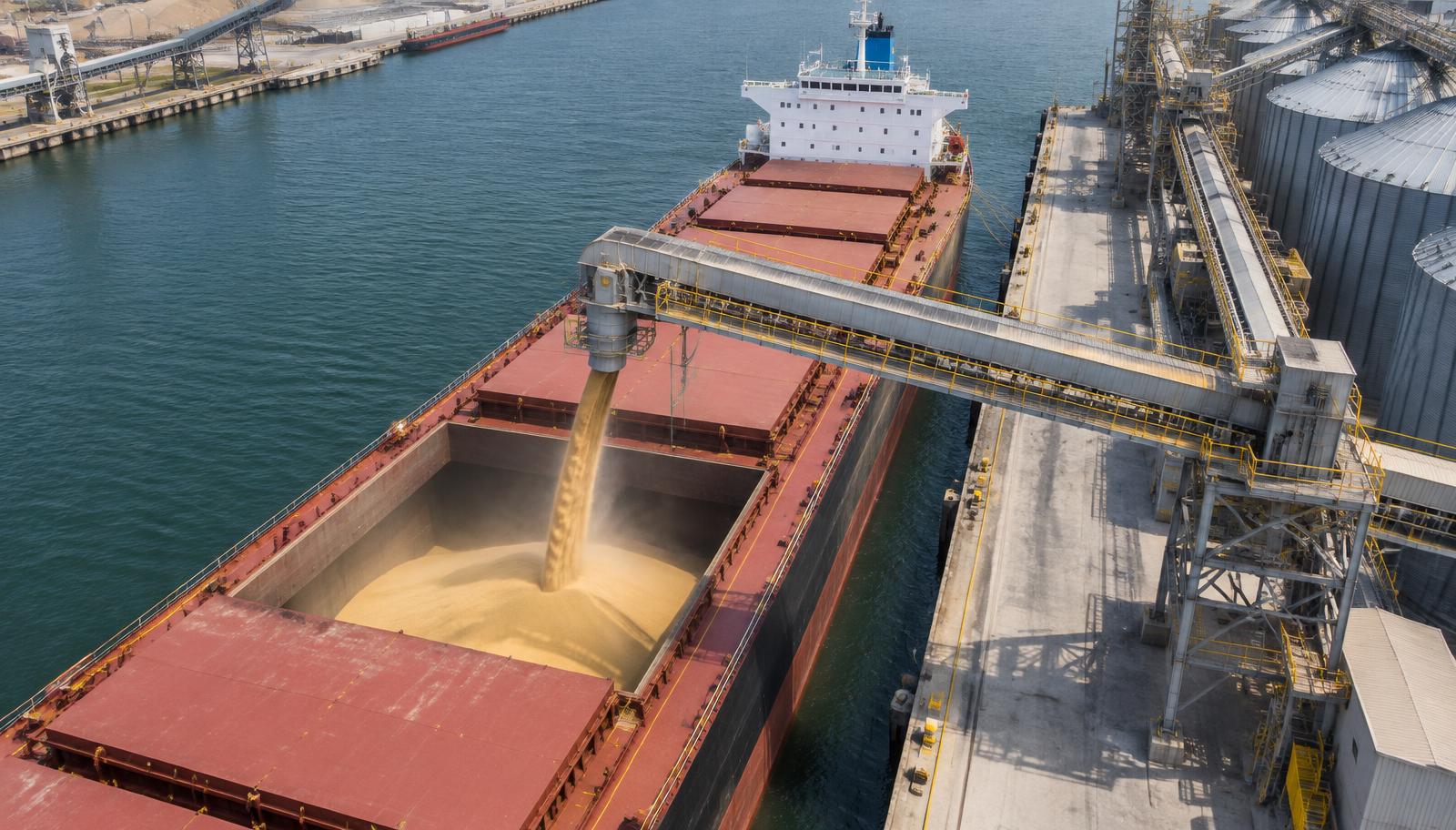
Feed ingredient shipping documents showing Incoterms, freight charges and a named mill delivery point

Short answer Incoterms matter because a feed ingredient quotation does not necessarily include delivery to your mill. EXW, FOB, CFR, CIF, DAP and DDP allocate transport costs, delivery risk and customs responsibilities differently. To compare supplier offers, use the same ingredient specification, quantity, destination and delivery window, then add costs missing from each quotation. State the named place or port and edition, normally Incoterms® 2020. Freight payment and risk transfer are not always aligned.
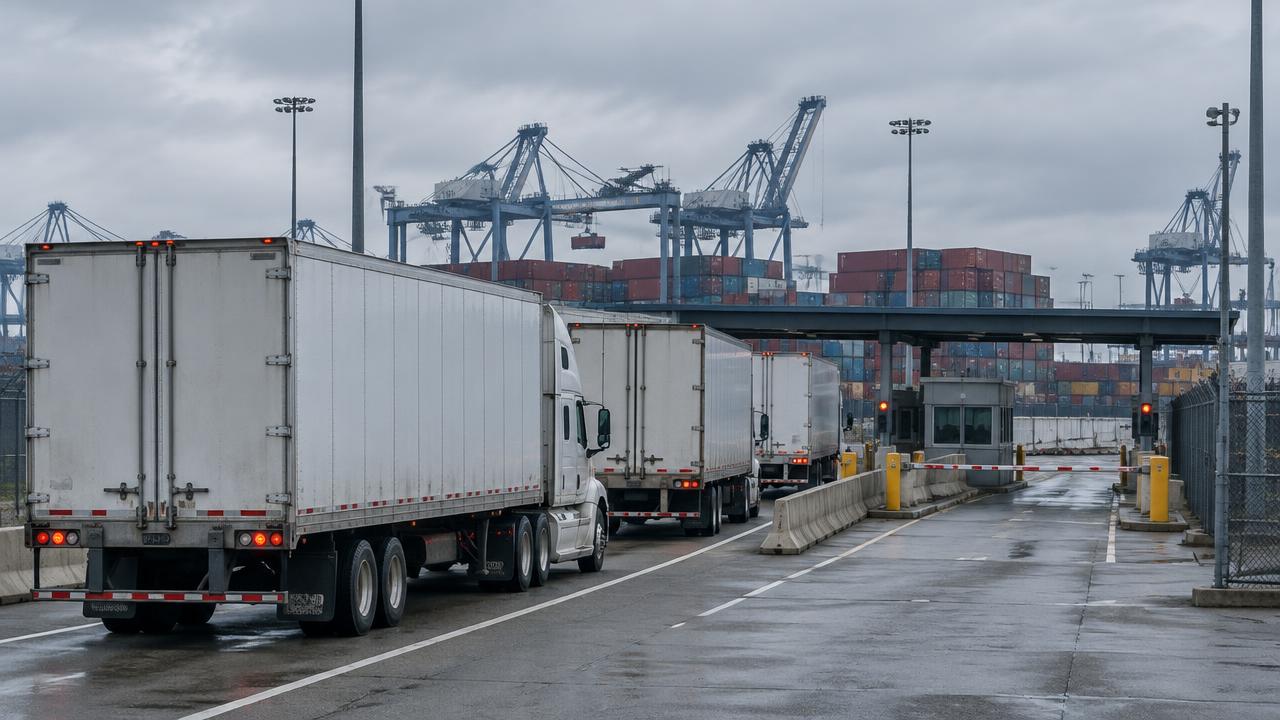
Comparison worksheet showing feed ingredient quotations, named delivery points and mill-gate cost adjustments

Why can two apparently similar offers have different values? An EXW price may exclude loading, export clearance and every transport leg. A CIF price includes ocean freight and specified insurance to a destination port, but generally excludes import clearance and inland delivery. Comparing their headline prices therefore compares different service bundles. For buyers researching incoterms feed ingredients, the practical question is: what remains payable, and who bears loss if something goes wrong? Incoterms do not determine product quality, payment terms, ownership transfer or remedies for non-conforming goods. Those require separate contract provisions.

How do the six terms divide costs and risk? The table summarises Incoterms® 2020. Exact named points matter. FOB, CFR and CIF apply only to sea or inland waterway transport; EXW, DAP and DDP can cover any transport mode. | Term | Seller's principal cost scope | Risk transfers to buyer | Main buyer additions | |---|---|---|---| | EXW | Goods available at named premises, not loaded | When placed at buyer's disposal | Loading, export clearance, all transport, import clearance | | FOB | Export clearance and delivery aboard vessel at named shipment port | Once aboard vessel | Main freight, insurance if arranged, destination and inland costs | | CFR | FOB scope plus freight to named destination port | Once aboard vessel at origin | Insurance if arranged, import clearance, inland delivery | | CIF | CFR scope plus required cargo insurance | Once aboard vessel at origin | Import clearance, inland delivery, possible insurance upgrades | | DAP | Carriage to named destination, ready for unloading | At destination, ready for unloading | Unloading, import clearance, duties and taxes | | DDP | DAP scope plus import clearance, duties and applicable taxes | At destination, ready for unloading | Unloading; confirm local tax treatment | ### Why is FOB vs CIF often misunderstood? CIF does not leave transit risk with the seller until arrival. Like FOB and CFR, risk transfers aboard the vessel at origin. CIF normally requires minimum insurance equivalent to Institute Cargo Clauses (C), not comprehensive cover for every moisture, contamination or infestation loss. Check exclusions, deductibles and claims procedures. Under CFR and CIF, destination unloading charges depend partly on the carriage contract.

Which documents need checking beyond the Incoterm? Build a shipment-specific document schedule. Depending on ingredient, origin and destination, this may include the commercial invoice, packing list, transport document, certificate of origin, export and import declarations, permits, phytosanitary or veterinary certificates, and analysis reports. CIF also requires evidence of the agreed insurance. Incoterms allocate certain document and assistance obligations; they do not establish feed-safety compliance. Specify who obtains each document, acceptable format, timing and cost. A missing permit can cause storage or detention despite an apparently complete delivered price. Documents and relevant public records can be reviewed, but authenticity and regulatory suitability still require appropriate checks.

How do you normalise offers to a mill-gate landed cost? Choose one endpoint: for example, cleared for import and delivered to the mill weighbridge, ready for unloading. Keep unloading separate unless every offer includes it. Use consistent currency, exchange-rate assumptions, shipment size and quotation validity. Confirm whether destination handling is already included before adding it. ### Illustrative formula and example ```text Mill-gate cost = supplier price + excluded origin costs + excluded freight and insurance + destination handling and clearance + duties and non-recoverable taxes + inland delivery to the agreed mill point Illustrative examples only; all figures are USD per metric tonne: FOB offer: 250 + 35 freight + 2 insurance + 8 destination/clearance + 5 duty + 15 inland = 315 CIF offer: 290 + 8 destination/clearance + 5 duty + 15 inland = 318 ``` These invented inputs demonstrate arithmetic, not live prices or expected results. Actual duties depend on classification, origin and customs valuation. Track recoverable import tax as a cash-flow requirement rather than automatically treating it as permanent cost. Use the [landed-cost calculator](/feed-landed-cost-calculator) to organise assumptions.

What should buyers do before comparing quotations? Use this numbered checklist to turn incomplete quotations into comparable buying options. 1. **Fix the commercial basis.** Align specification, moisture basis, packaging, net quantity, shipment window and destination. A lower price for wetter material is not necessarily better value. 2. **Require complete delivery wording.** Request the Incoterm, precise named place or port, and edition. Replace vague wording such as “delivered local port”. 3. **Map every cost line.** Mark each charge included, excluded or unconfirmed. Ask about terminal charges, broker fees, inspections, storage, detention and unloading. 4. **Map risk separately.** Identify where risk transfers, who arranges insurance, and who can pursue a claim. Confirm sampling, weighing and shortage procedures independently. 5. **Validate execution.** Ask logistics advisers whether the chosen term suits the route and whether the responsible party can complete customs formalities. 6. **Test uncertainty.** Recalculate with documented freight, exchange-rate and delay scenarios. Use the [supplier TCO comparison calculator](/feed-tco-supplier-comparison-calculator) to examine costs beyond physical delivery, including financing and quality-related assumptions.

Which common mistakes distort the comparison? Double-counting freight already included in CIF exaggerates its cost. Treating DDP as automatically trouble-free ignores restrictions on foreign sellers acting as importers. Treating EXW as operationally simple ignores buyer difficulties with export clearance. For container shipments delivered to a terminal before vessel loading, discuss FCA rather than defaulting to FOB. Another mistake is mixing mill-gate cost with nutritional value: compare ingredient suitability separately with a nutritionist. Do not count the same quality allowance twice across landed-cost and TCO calculations.

What is the next step for a buying team? Take two current quotations and request a written inclusion schedule for each unresolved charge. Ask logistics and legal advisers to confirm the named delivery point, customs feasibility, risk allocation and document schedule before contracting. This guide is illustrative and is not legal advice. The tools and calculators provide preliminary planning outputs; they do not replace a nutritionist, engineer, laboratory, lawyer, financial adviser or other relevant specialist. For the FeedMatch workflow, review [procurement](/procurement) and submit a structured brief through [RFQ intake](/rfq-intake). It is human-led and supplier-neutral, for commercial opportunities of USD 250,000 or more, with human review before any supplier contact. FeedMatch is not a certification body and does not audit factories.

What else do feed ingredient buyers ask? ### Is CIF always cheaper than FOB? No. Compare seller-arranged freight and insurance with your own quotations, then add the same destination and inland costs. ### Does DDP include unloading at the mill? Not by default. DDP delivery is ready for unloading. Confirm unloading arrangements and charges explicitly in the contract. ### Does an Incoterm guarantee feed ingredient quality? No. Specifications, sampling methods, acceptance criteria and remedies need separate agreement; Incoterms govern delivery-related responsibilities. ### Should recoverable VAT be included in landed cost? Show it separately as a cash-flow item when recovery is available. Confirm eligibility, timing and treatment with a tax adviser. ### Can different Incoterms still be compared fairly? Yes. Rebuild both offers to one named endpoint, using consistent assumptions and recording unresolved costs, risks and document responsibilities.

faqs

Related pages on FeedMatch

  • Feed bags trucks containers calculator
  • Broiler feed calculator
  • Cattle feed calculator
  • Feed buyer FAQ: 100 questions

Frequently asked questions

Is CIF always cheaper than FOB?
No. Compare seller-arranged freight and insurance with your own quotations, then add the same destination and inland costs.
Does DDP include unloading at the mill?
Not by default. DDP delivery is ready for unloading. Confirm unloading arrangements and charges explicitly in the contract.
Does an Incoterm guarantee feed ingredient quality?
No. Specifications, sampling methods, acceptance criteria and remedies need separate agreement; Incoterms govern delivery-related responsibilities.
Should recoverable VAT be included in landed cost?
Show it separately as a cash-flow item when recovery is available. Confirm eligibility, timing and treatment with a tax adviser.
Can different Incoterms still be compared fairly?
Yes. Rebuild both offers to one named endpoint, using consistent assumptions and recording unresolved costs, risks and document responsibilities.
ProcurementExport & International Trade

Explore related on FeedMatch

  • Browse verified feed suppliers
  • Feed & ingredient categories
  • Feed mill equipment

Next steps for feed buyers

Turn this article into a procurement brief. A FeedMatch advisor reviews every request before any supplier is contacted.

  • Feed ingredient specifications
  • Feed and feed-mill calculators
  • Shortage calculators: stock, ration, storage
  • Feed procurement guides
  • Send a structured RFQ →

Related Solutions Across Global B2B Group

Complementary supplier-neutral platforms in the Global B2B Group family.

  • Explore the wider procurement ecosystem — specialized supplier-neutral platforms across industrial verticals.

    Visit Global B2B Group

Feed industry regions we work with

Feed procurement is local before it is global: raw material basis, freight and installation costs change by region. These are the areas buyers most often name when defining a feed project in English.

United States

Cities and provinces

Iowa · Nebraska · Georgia · Arkansas · Texas · North Carolina

Corn and soybean meal basis with large integrated poultry, swine and dairy operations.

United States →

United Kingdom and Ireland

Cities and provinces

East Anglia · Yorkshire · Lincolnshire · Northern Ireland · Munster

Compound feed and imported protein logistics through east coast and Irish Sea ports.

United Kingdom and Ireland →

Gulf and East Africa import markets

Cities and provinces

Jeddah · Dubai · Mombasa · Djibouti

Import-driven feed supply where landed cost and port logistics dominate the decision.

Gulf and East Africa import markets →

FeedMatch is supplier-neutral. Regional context helps define the requirement; pricing always comes from manufacturer quotations.

Move from insight to procurement

Turn the ideas in this article into a live procurement action — supplier-neutral, buyer-controlled, fully documented.

Get Multiple Quotes Submit one brief — offers from independent feed and ingredient suppliers are compared after human review.Talk to Procurement Experts Route your project to FeedMatch's supplier-neutral procurement desk.Calculate Your Project FCR, feed volume, storage and CIF landed-cost calculators.Browse Feed Ingredients Specifications for grains, protein meals, premixes and additives.

On this page

  • Short answer Incoterms matter because a feed ingredient quotation does not necessarily include delivery to your mill. EXW, FOB, CFR, CIF, DAP and DDP allocate transport costs, delivery risk and customs responsibilities differently. To compare supplier offers, use the same ingredient specification, quantity, destination and delivery window, then add costs missing from each quotation. State the named place or port and edition, normally Incoterms® 2020. Freight payment and risk transfer are not always aligned.
  • Why can two apparently similar offers have different values? An EXW price may exclude loading, export clearance and every transport leg. A CIF price includes ocean freight and specified insurance to a destination port, but generally excludes import clearance and inland delivery. Comparing their headline prices therefore compares different service bundles. For buyers researching incoterms feed ingredients, the practical question is: what remains payable, and who bears loss if something goes wrong? Incoterms do not determine product quality, payment terms, ownership transfer or remedies for non-conforming goods. Those require separate contract provisions.
  • How do the six terms divide costs and risk? The table summarises Incoterms® 2020. Exact named points matter. FOB, CFR and CIF apply only to sea or inland waterway transport; EXW, DAP and DDP can cover any transport mode. | Term | Seller's principal cost scope | Risk transfers to buyer | Main buyer additions | |---|---|---|---| | EXW | Goods available at named premises, not loaded | When placed at buyer's disposal | Loading, export clearance, all transport, import clearance | | FOB | Export clearance and delivery aboard vessel at named shipment port | Once aboard vessel | Main freight, insurance if arranged, destination and inland costs | | CFR | FOB scope plus freight to named destination port | Once aboard vessel at origin | Insurance if arranged, import clearance, inland delivery | | CIF | CFR scope plus required cargo insurance | Once aboard vessel at origin | Import clearance, inland delivery, possible insurance upgrades | | DAP | Carriage to named destination, ready for unloading | At destination, ready for unloading | Unloading, import clearance, duties and taxes | | DDP | DAP scope plus import clearance, duties and applicable taxes | At destination, ready for unloading | Unloading; confirm local tax treatment | ### Why is FOB vs CIF often misunderstood? CIF does not leave transit risk with the seller until arrival. Like FOB and CFR, risk transfers aboard the vessel at origin. CIF normally requires minimum insurance equivalent to Institute Cargo Clauses (C), not comprehensive cover for every moisture, contamination or infestation loss. Check exclusions, deductibles and claims procedures. Under CFR and CIF, destination unloading charges depend partly on the carriage contract.
  • Which documents need checking beyond the Incoterm? Build a shipment-specific document schedule. Depending on ingredient, origin and destination, this may include the commercial invoice, packing list, transport document, certificate of origin, export and import declarations, permits, phytosanitary or veterinary certificates, and analysis reports. CIF also requires evidence of the agreed insurance. Incoterms allocate certain document and assistance obligations; they do not establish feed-safety compliance. Specify who obtains each document, acceptable format, timing and cost. A missing permit can cause storage or detention despite an apparently complete delivered price. Documents and relevant public records can be reviewed, but authenticity and regulatory suitability still require appropriate checks.
  • How do you normalise offers to a mill-gate landed cost? Choose one endpoint: for example, cleared for import and delivered to the mill weighbridge, ready for unloading. Keep unloading separate unless every offer includes it. Use consistent currency, exchange-rate assumptions, shipment size and quotation validity. Confirm whether destination handling is already included before adding it. ### Illustrative formula and example ```text Mill-gate cost = supplier price + excluded origin costs + excluded freight and insurance + destination handling and clearance + duties and non-recoverable taxes + inland delivery to the agreed mill point Illustrative examples only; all figures are USD per metric tonne: FOB offer: 250 + 35 freight + 2 insurance + 8 destination/clearance + 5 duty + 15 inland = 315 CIF offer: 290 + 8 destination/clearance + 5 duty + 15 inland = 318 ``` These invented inputs demonstrate arithmetic, not live prices or expected results. Actual duties depend on classification, origin and customs valuation. Track recoverable import tax as a cash-flow requirement rather than automatically treating it as permanent cost. Use the [landed-cost calculator](/feed-landed-cost-calculator) to organise assumptions.
  • What should buyers do before comparing quotations? Use this numbered checklist to turn incomplete quotations into comparable buying options. 1. **Fix the commercial basis.** Align specification, moisture basis, packaging, net quantity, shipment window and destination. A lower price for wetter material is not necessarily better value. 2. **Require complete delivery wording.** Request the Incoterm, precise named place or port, and edition. Replace vague wording such as “delivered local port”. 3. **Map every cost line.** Mark each charge included, excluded or unconfirmed. Ask about terminal charges, broker fees, inspections, storage, detention and unloading. 4. **Map risk separately.** Identify where risk transfers, who arranges insurance, and who can pursue a claim. Confirm sampling, weighing and shortage procedures independently. 5. **Validate execution.** Ask logistics advisers whether the chosen term suits the route and whether the responsible party can complete customs formalities. 6. **Test uncertainty.** Recalculate with documented freight, exchange-rate and delay scenarios. Use the [supplier TCO comparison calculator](/feed-tco-supplier-comparison-calculator) to examine costs beyond physical delivery, including financing and quality-related assumptions.
  • Which common mistakes distort the comparison? Double-counting freight already included in CIF exaggerates its cost. Treating DDP as automatically trouble-free ignores restrictions on foreign sellers acting as importers. Treating EXW as operationally simple ignores buyer difficulties with export clearance. For container shipments delivered to a terminal before vessel loading, discuss FCA rather than defaulting to FOB. Another mistake is mixing mill-gate cost with nutritional value: compare ingredient suitability separately with a nutritionist. Do not count the same quality allowance twice across landed-cost and TCO calculations.
  • What is the next step for a buying team? Take two current quotations and request a written inclusion schedule for each unresolved charge. Ask logistics and legal advisers to confirm the named delivery point, customs feasibility, risk allocation and document schedule before contracting. This guide is illustrative and is not legal advice. The tools and calculators provide preliminary planning outputs; they do not replace a nutritionist, engineer, laboratory, lawyer, financial adviser or other relevant specialist. For the FeedMatch workflow, review [procurement](/procurement) and submit a structured brief through [RFQ intake](/rfq-intake). It is human-led and supplier-neutral, for commercial opportunities of USD 250,000 or more, with human review before any supplier contact. FeedMatch is not a certification body and does not audit factories.
  • What else do feed ingredient buyers ask? ### Is CIF always cheaper than FOB? No. Compare seller-arranged freight and insurance with your own quotations, then add the same destination and inland costs. ### Does DDP include unloading at the mill? Not by default. DDP delivery is ready for unloading. Confirm unloading arrangements and charges explicitly in the contract. ### Does an Incoterm guarantee feed ingredient quality? No. Specifications, sampling methods, acceptance criteria and remedies need separate agreement; Incoterms govern delivery-related responsibilities. ### Should recoverable VAT be included in landed cost? Show it separately as a cash-flow item when recovery is available. Confirm eligibility, timing and treatment with a tax adviser. ### Can different Incoterms still be compared fairly? Yes. Rebuild both offers to one named endpoint, using consistent assumptions and recording unresolved costs, risks and document responsibilities.
  • Related pages on FeedMatch

Related insights

Hand-picked from the same feeding-system and species clusters.

Quote comparison

How to Compare Feed Ingredient Quotes: A Buyer's Guide to True Value

Effectively comparing feed ingredient quotes requires normalizing for moisture, freight, and nutrient content to determine the true landed cost per unit of value.

Quote comparison

Cheap Feed or Right Feed? The Hidden Costs Behind a Low Quote

A low feed quote can shift costs into nutrient shortfalls, handling losses, delivery and contract risk. Learn how to compare offers against the same specification and commercial terms.

Contracts

How to Structure a Recurring Feed Supply Contract (6–12+ Months)

Learn how commercial buyers structure recurring supply contracts for compound feed and ingredients to manage price volatility and ensure supply continuity.

Farm planning

Feed Conversion Ratio Calculator: From Farm Data to a Procurement Plan

Use consistent feed and production records to calculate FCR, build feed-volume scenarios and turn operational assumptions into a clear supplier RFQ.

Industrial feed calculators

Other calculators

Free planning tools for feed volume, water, airflow and heat load — with the assumptions shown, so you can defend the numbers internally.

  • Feed Consumption Calculator
  • Water Consumption Calculator
  • Ventilation Calculator

Feed calculators by species

All calculators

Size the tonnage, check the feed conversion ratio and cost it per head before you ask for prices — each tool carries a worked example and hands the volume straight to an RFQ.

  • Poultry feed calculator
  • Broiler feed calculator
  • FCR calculator
  • Cattle feed calculator
  • Dairy feed cost calculator
  • Fish & shrimp feed calculator
  • Shrimp feed calculator
  • Feed ingredient cost comparison
  • Annual feed procurement calculator
  • FCR profit sensitivity
  • Swine feed calculator
  • Layer feed & cost per egg calculator
  • Salmon feed budget calculator
  • Trout feed budget calculator
  • Seabass feed budget calculator
  • Seabream feed budget calculator
FeedMatch Group logo — wheat sheaf and interlocking chevrons emblem representing the independent animal feed procurement and ingredient intelligence platform
FeedMatchGroup

Global animal feed & ingredient procurement. Supplier-neutral sourcing of feed and raw materials for farms, integrators, feed mills and importers worldwide.

Follow us on LinkedIn
Chat with our team on WhatsApp+44 7936 808834
Language

Feed Procurement

  • Request a Feed RFQ
  • Get a Free Quote
  • Feed Procurement
  • Feed Procurement Platform
  • Commercial Procurement
  • Buyer's Guide
  • Tenders & Institutional Bids
  • Supplier Sourcing
  • Landed Cost by Trade Lane
  • Logistics & Freight

Feed & Ingredients

  • Feed Ingredients
  • Premixes, Additives & Feed-Grade Products
  • Feed by Species
  • Feed by Production Stage
  • Specification Library
  • Standards Library

Calculators & Tools

  • Calculators & Tools
  • Feed Mill Operating Costs
  • Feed Mill Energy Calculator
  • Feed Mill Calculator

Company

  • About FeedMatch
  • How It Works
  • Buyer Intelligence
  • Become a Supplier
  • FAQ
  • Global B2B Group Network
  • Contact
  • Sitemap
Global B2B Group — Our Network

One procurement operating system across every protein & agri vertical. Explore the full network →

  • HatchMatch — Poultry
  • FishMatch — Aquaculture
  • ColdMatch — Cold Chain
  • SeedMatch — Seeds & Inputs

FeedMatch Group is a human-led, supplier-neutral B2B feed procurement service for commercial feed and ingredient buyers from USD $250,000+. Every request is reviewed by our team — suppliers are contacted only after authorized human review.

FeedMatch Group is the specialized animal feed and feed-ingredient procurement platform of Global B2B Group. FeedMatch Group is not a feed manufacturer, ingredient trader, commodity trader, distributor, broker, feed mill, nutritionist, veterinarian, EPC contractor, lender, bank, credit provider, financial advisor, investment advisor, insurer, underwriter or regulated financial services provider. Any financing, leasing, trade finance, working capital or project-finance option mentioned on this website is provided solely by independent third-party financing providers, subject to their own eligibility checks, KYC, due diligence, compliance review, approval, terms and documentation. FeedMatch Group does not provide financial advice, does not arrange regulated financial products, does not guarantee financing approval, and is not responsible for any financing decision, offer, rejection, delay, cost, term or outcome. Quotes, feed, ingredients, additives, equipment, logistics, services, warranties, feed safety, nutritional outcomes, FCR and animal performance remain solely the responsibility of independent third-party suppliers, manufacturers, logistics providers or qualified professionals. See Terms and Disclaimer.

FeedMatchGroup.com · Global Animal Feed & Ingredient Procurement
Privacy·Terms·Cookies·Disclaimer·Legal Center·Accessibility·Accessibility Support·Contact·Sitemap
© 2026 FeedMatchGroup.com · All rights reserved.FeedMatch Group is the specialized animal feed and feed-ingredient procurement platform of Global B2B Group. FeedMatch is not a feed manufacturer, ingredient trader, commodity trader, distributor, broker, feed mill, premix or additive producer, EPC contractor, lender or regulated financial services provider. Quotes, feed, ingredients, equipment, logistics, financing and services are provided solely by independent third parties and remain subject to their terms, approvals and responsibilities. Operated from the Republic of Cyprus.Built for commercial feed procurement from USD $250K+ — feed mills, integrators, importers, EPCs, governments and industrial farms. Not intended for hobby, backyard, pet-owner or small retail purchasing. How FeedMatch works.FeedMatch Group is a specialized platform of Global B2B Group — a global B2B procurement, project development and financing ecosystem. Sister platforms: HatchMatch Group, ColdMatch Group, FishMatch Group, SeedMatch Group.The specialized feed platform within the Global B2B Group ecosystem.
CalculatorsGuidesFinancingRequest a Quote
WhatsApp
Where this applies

Take this to a market — or brief it directly

Market pages

  • Egypt feed market overview
  • Nigeria feed market overview
  • Azerbaijan feed market overview
  • Kazakhstan feed market overview

Act on it

  • Ingredient intelligenceSpecs, origins and price drivers
  • Start a structured RFQBrief once, get comparable supplier offers
  • Supplier directorySupplier-declared profiles and reviewed documents
  • Project & trade financingLC, CAD and reviewed financing routes