
Pull to refresh
FeedMatch Group logo — wheat sheaf and interlocking chevrons emblem representing the independent animal feed procurement and ingredient intelligence platform
FeedMatchGroup
DashboardSign inRequest Feed Quote
Financing for animal feed and feed-ingredient purchasesSee financing options→←
Back to home
  1. Home
  2. /
  3. Feed Insights
  4. /
  5. Export & International Trade
  6. /
  7. Cheap Feed or Right Feed? The Hidden Costs Behind a Low Quote
Export & International Trade· Oct 2026· 8 min read

Cheap Feed or Right Feed? The Hidden Costs Behind a Low Quote

A low feed quote can shift costs into nutrient shortfalls, handling losses, delivery and contract risk. Learn how to compare offers against the same specification and commercial terms.

Short answer · reviewed October 2026

Short answer: Cheap Feed or Right Feed? The Hidden Costs Behind a Low Quote

!Feed quote comparison worksheet with columns for nutrient specification, moisture, pellet fines, delivery and payment terms

Key takeaways

  • !Feed quote comparison worksheet with columns for nutrient specification, moisture, pellet fines, delivery and payment terms
  • - Feed bags trucks containers calculator - Broiler feed calculator - Cattle feed calculator - Feed buyer FAQ: 100 questions
FM

FeedMatch Editorial Desk

Editorial Team
Feed procurement comparison sheet showing specifications, moisture, delivery terms and quality documents

Short answer Cheap animal feed is not necessarily poor value, but the lowest quoted price is not a complete buying basis. Compare offers against the same nutritional specification, moisture basis, physical quality, delivery scope and payment conditions. Then identify costs that fall outside the quote: rejected material, handling losses, additional testing, storage, financing and claim recovery. An offer that cannot meet a non-negotiable requirement should not enter the price ranking. The practical question is not simply feed quality vs price, but whether each offer delivers the required feed under enforceable, workable terms.
Feed quote comparison worksheet with columns for nutrient specification, moisture, pellet fines, delivery and payment terms

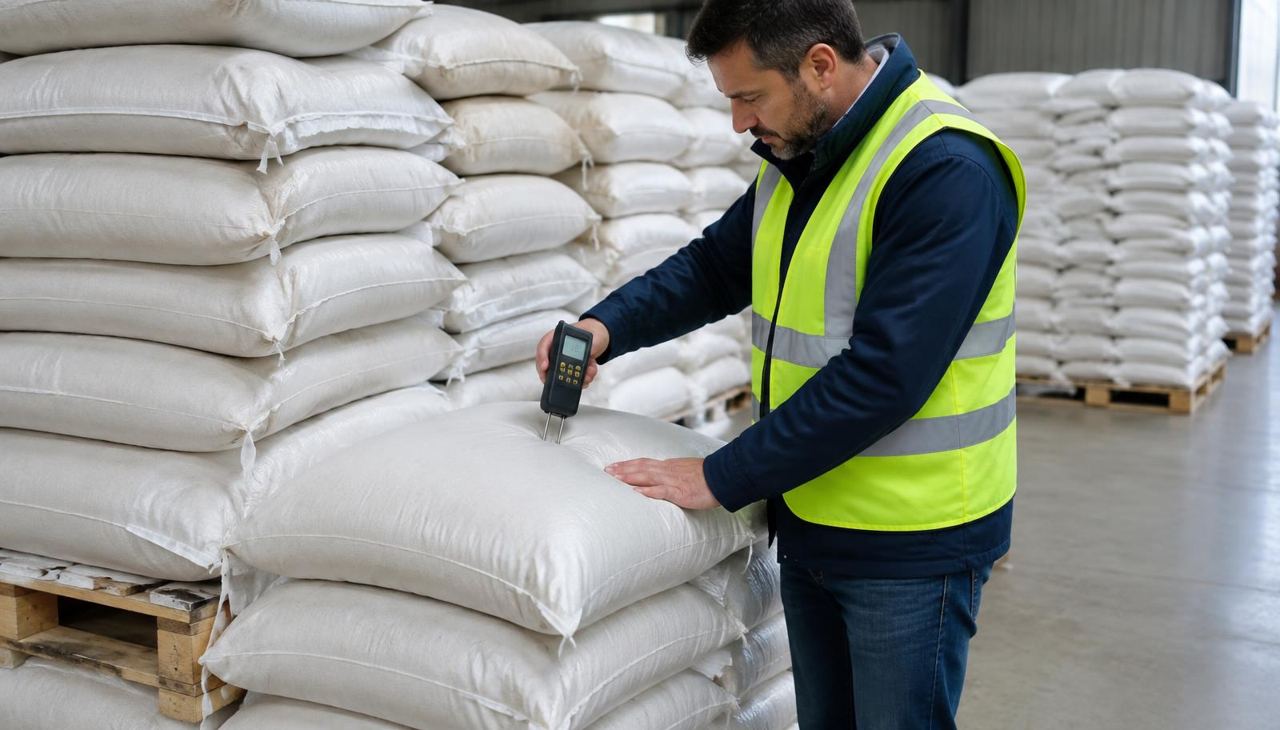
Does each quote meet the same nutritional specification? Start with the intended species, production stage, product type and feeding system. A complete feed, concentrate and single ingredient are not interchangeable purchases. Ask a nutritionist to define acceptance criteria before requesting prices, including relevant nutrient minimums, maximums and any restrictions on ingredients or processing. ### Separate guarantees from typical values Distinguish contractual guarantees from indicative analysis. A typical protein value is not a guaranteed minimum, and crude protein alone does not establish equivalent amino acid availability, energy or digestibility. A nutrient shortfall may require reformulation or supplementation; the buyer should not assume either is feasible or permitted. Record whether results are reported as-fed or on a dry-matter basis. Higher moisture means less dry material per purchased tonne, but dry matter is not itself a measure of nutritional suitability. Compare the same analytes, units and analytical methods, allowing for sampling and measurement uncertainty. Request a relevant certificate of analysis, its sampling date and its connection to the offered lot. Use the [guide to comparing ingredient quotes, COAs and dry matter](/blog/compare-feed-ingredient-quotes-coa-dry-matter) to organise the evidence rather than treating a document as proof of every shipment.

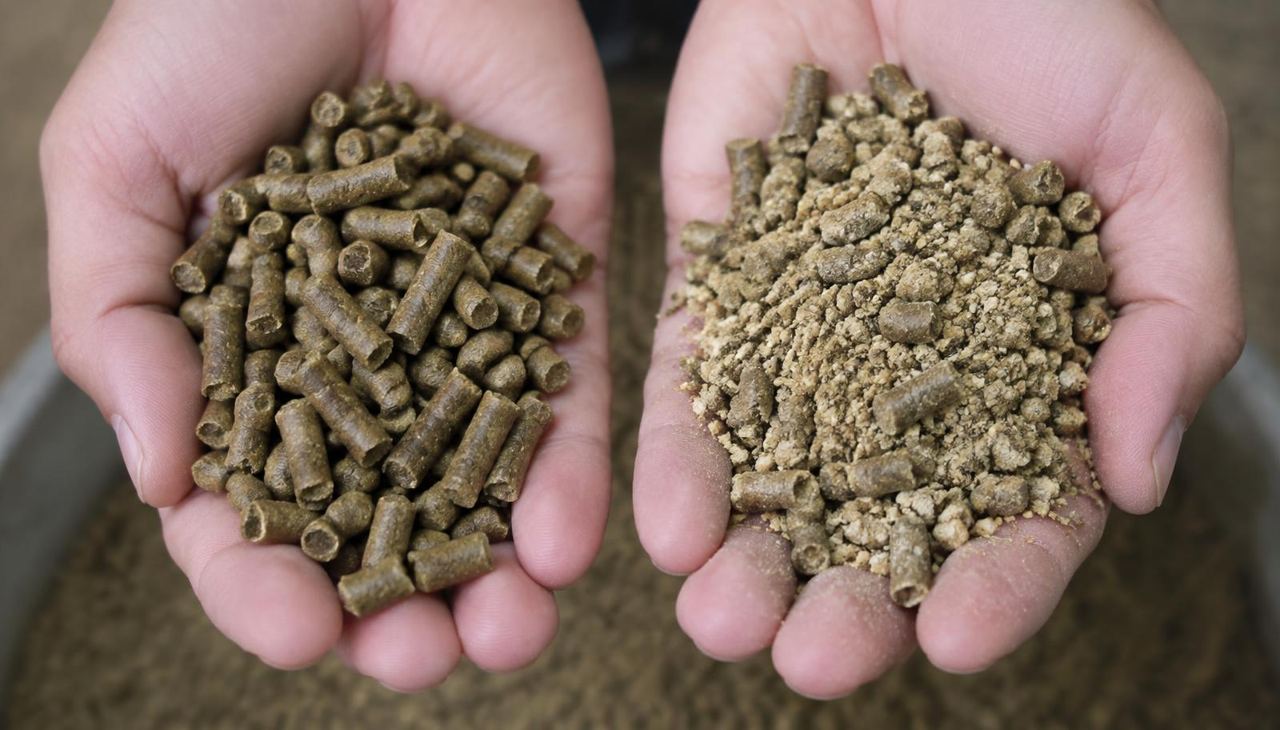
How can pellet quality and wastage change usable cost? Pellet durability, hardness and fines affect handling and feeding differently. Durable pellets may better withstand transport, while hardness must still suit the animal and equipment. Agree the test method, sampling point and acceptance limit; a factory-gate result does not describe what arrives after repeated transfers. Ask whether fines are measured before loading, at delivery or after unloading. Define the sieve size and treatment of broken pellets. Otherwise, two apparently comparable percentages may describe different materials. ### Identify where material is lost Map unloading, conveying, storage and feeder delivery. Include spillage, dust extraction, damaged bags and material animals leave uneaten. Fines are not automatically waste: their usability depends on the feeding system, nutritional consistency and safety requirements. Do not apply a blanket loss allowance without evidence. Allocate responsibility for deterioration in transit, and check whether the buyer's own equipment could be causing it.

What do contamination risk and batch inconsistency add? A low quote can leave important controls undefined. Depending on the material and destination, relevant hazards may include mycotoxins, pathogens, chemical residues, foreign matter or cross-contamination with restricted ingredients. Identify applicable legal limits and buyer requirements with relevant specialists; limits and suitability can differ by species and use. Request the sampling plan, test methods, laboratory details, traceability information and procedures for holding or rejecting suspect loads. A passing sample cannot establish that an entire heterogeneous consignment is free from contamination. Testing scope and sampling quality matter as much as the report itself. ### Treat consistency as a supply requirement Ask how the supplier controls changes in raw materials, manufacturing location and processing. Specify notification requirements and whether substitutions require written approval. Batch variation can create extra testing, segregation, ration adjustment or storage work even when individual loads remain within broad limits. Documents and relevant public records can be reviewed, but missing evidence should remain an open issue. Budget for agreed checks and quarantine arrangements rather than assuming every incoming load can be used immediately.

Which delivery costs belong in the comparison? To compare feed quotes, place every offer at the same delivery point and operational boundary. Specify quantity, packaging, shipment schedule, delivery term and named place. Where Incoterms are used, state the version; they do not settle every contractual issue, including product quality or payment. | Comparison item | Put every offer on this basis | Check for omitted costs | |---|---|---| | Product and quantity | Same specification and order volume | Minimum-order or split-load charges | | Transport | Same destination and delivery scope | Freight, insurance and transshipment | | Border requirements | Same import assumptions | Duties, brokerage and inspections | | Receipt | Same unloading responsibility | Waiting time, unloading and weighing | | Packaging and storage | Same required format | Bag disposal, storage and handling | | Scheduling | Same required delivery window | Expediting and contingency stock | Confirm access restrictions, discharge equipment, delivery appointments and responsibility for demurrage or detention. Separate recoverable taxes from costs, while recognising their cash-flow effect. Keep unknown charges visible; replacing them with zero creates a false comparison.

How can you calculate a comparable planning cost? First screen for compliance with the required specification. Then normalise the commercial basis. A dry-matter calculation can expose moisture differences, while a documented unusable-material allowance can illustrate handling exposure. Neither calculation establishes nutritional equivalence. ### Illustrative formula and example > **Planning cost per usable dry-matter tonne** = delivered cost per as-fed tonne ÷ [(1 − moisture fraction) × (1 − unusable fraction)]. > > **Illustrative inputs only, not live prices or expected results:** delivered cost of USD 300 per tonne, moisture of 12%, and unusable material of 3% by mass. Assuming the unusable portion has the same moisture content as the whole load: USD 300 ÷ (0.88 × 0.97) = approximately USD 351.45 per usable dry-matter tonne. Do not count the same loss again elsewhere. If lost material differs in composition, this simplified adjustment may be unsuitable. The [feed total-cost and supplier comparison calculator](/feed-tco-supplier-comparison-calculator) can support structured comparisons. Tools and calculators provide preliminary planning outputs and do not replace a nutritionist, engineer, laboratory, lawyer, financial adviser or other relevant specialist.

How do payment terms and claims affect the real exposure? Two equal delivered prices can create different financing and recovery risks. Record currency, deposit, payment trigger, credit period, bank charges and any security requirements. Compare the timing of cash commitments against delivery and acceptance, not merely the number of credit days printed on the quote. For foreign-currency purchases, state the exchange-rate assumption and date. Ask a financial adviser about material currency or financing exposure rather than inserting an unsupported allowance. Claims deserve the same attention as payment. Define inspection rights, sampling responsibilities, retained samples, independent testing, notification deadlines and remedies. Clarify who pays for storage, return transport, disposal or replacement when material is rejected, and when ownership and risk transfer. A right to complain is not the same as a practical recovery mechanism. Have a lawyer review governing law, dispute provisions and material limitations of liability. Avoid payment arrangements that silently override the agreed acceptance process.

Which comparison mistakes should buyers avoid? The most common mistake is ranking unit prices before resolving differences in scope. Others include treating an old COA as evidence for a new lot, comparing dry-basis nutrients with as-fed results, assuming all fines are lost, and counting a moisture adjustment twice. Another mistake is assigning invented monetary values to every uncertainty. Some issues need a firm clarification, a specialist judgement or rejection of the offer—not a speculative risk premium. Mark assumptions separately from contractual commitments and verified observations. ### Like-for-like review checklist - Confirm the same product use, specification, quantity and delivery window. - Reconcile guaranteed nutrients, moisture basis and test methods. - Define physical-quality limits and the sampling location. - Check traceability, testing scope and batch-change controls. - Include freight, receipt, storage and relevant border costs. - Compare payment timing, currency and acceptance triggers. - Agree claims evidence, deadlines, remedies and cost responsibility. - Record exclusions, unresolved questions and the owner of each follow-up. Keep a dated comparison sheet so later revisions do not erase earlier qualifications.

What should you do before requesting revised offers? Build one specification pack and send the same clarification schedule to every bidder. Ask each to return a revised offer with explicit inclusions, exclusions, validity and supporting documents. Resolve disqualifying gaps first; then compare compliant offers and investigate remaining cost uncertainties. FeedMatch supports a human-led, supplier-neutral [procurement workflow](/procurement) for commercial opportunities of USD 250,000 or more. Buyers can submit their requirements through the [RFQ intake](/rfq-intake), with human review before any supplier contact. Documents and relevant public records can be reviewed; FeedMatch is not a certification body and does not audit factories. Your concrete next step is to assemble the specification, destination, schedule, current quotes and open questions into that single pack. The buyer retains responsibility for specialist advice, contractual approval and supplier selection.

faqs

faqs

faqs

faqs

faqs

faqs

faqs

faqs

faqs

faqs

faqs

faqs

faqs

faqs

faqs

faqs

faqs

faqs

faqs

faqs

faqs

faqs

faqs

faqs

faqs

faqs

faqs

faqs

faqs

faqs

faqs

faqs

Related pages on FeedMatch

  • Feed bags trucks containers calculator
  • Broiler feed calculator
  • Cattle feed calculator
  • Feed buyer FAQ: 100 questions

Frequently asked questions

Is cheap animal feed always lower quality?
No. A lower quote may reflect different commercial terms, logistics or product scope. Check compliance with the required specification and compare the full delivered and usable-cost basis before drawing conclusions about value.
Should feed quotes be compared on a dry-matter basis?
Dry-matter comparison helps reveal moisture differences, particularly for ingredients. It does not establish equivalent energy, digestibility, amino acid availability or suitability. Compare nutrient specifications and delivery terms as well.
Should all pellet fines be counted as waste?
No. Some fines may remain usable, depending on their composition and the feeding system. Agree how fines are measured and establish any unusable-material allowance from relevant evidence rather than assuming a standard loss.
What should a feed supplier comparison include beyond price?
Include nutritional and physical specifications, relevant test evidence, batch consistency, traceability, delivery scope, handling requirements, payment timing and claims provisions. Keep missing information and unconfirmed assumptions visible.
What should buyers agree before accepting a feed shipment?
Agree inspection and sampling procedures, acceptance limits, retained samples, testing arrangements, claim deadlines and remedies. Clarify responsibility for rejected material, associated costs, and ownership and risk transfer before dispatch.

Explore related on FeedMatch

  • Browse verified feed suppliers
  • Feed & ingredient categories

Next steps for feed buyers

Turn this article into a procurement brief. A FeedMatch advisor reviews every request before any supplier is contacted.

  • Feed ingredient specifications
  • Feed and feed-mill calculators
  • Shortage calculators: stock, ration, storage
  • Feed procurement guides
  • Send a structured RFQ →

Related Solutions Across Global B2B Group

Complementary supplier-neutral platforms in the Global B2B Group family.

  • Explore the wider procurement ecosystem — specialized supplier-neutral platforms across industrial verticals.

    Visit Global B2B Group

Feed industry regions we work with

Feed procurement is local before it is global: raw material basis, freight and installation costs change by region. These are the areas buyers most often name when defining a feed project in English.

United States

Cities and provinces

Iowa · Nebraska · Georgia · Arkansas · Texas · North Carolina

Corn and soybean meal basis with large integrated poultry, swine and dairy operations.

United States →

United Kingdom and Ireland

Cities and provinces

East Anglia · Yorkshire · Lincolnshire · Northern Ireland · Munster

Compound feed and imported protein logistics through east coast and Irish Sea ports.

United Kingdom and Ireland →

Gulf and East Africa import markets

Cities and provinces

Jeddah · Dubai · Mombasa · Djibouti

Import-driven feed supply where landed cost and port logistics dominate the decision.

Gulf and East Africa import markets →

FeedMatch is supplier-neutral. Regional context helps define the requirement; pricing always comes from manufacturer quotations.

Move from insight to procurement

Turn the ideas in this article into a live procurement action — supplier-neutral, buyer-controlled, fully documented.

Get Multiple Quotes Submit one brief — offers from independent feed and ingredient suppliers are compared after human review.Talk to Procurement Experts Route your project to FeedMatch's supplier-neutral procurement desk.Calculate Your Project FCR, feed volume, storage and CIF landed-cost calculators.Browse Feed Ingredients Specifications for grains, protein meals, premixes and additives.

On this page

  • Short answer Cheap animal feed is not necessarily poor value, but the lowest quoted price is not a complete buying basis. Compare offers against the same nutritional specification, moisture basis, physical quality, delivery scope and payment conditions. Then identify costs that fall outside the quote: rejected material, handling losses, additional testing, storage, financing and claim recovery. An offer that cannot meet a non-negotiable requirement should not enter the price ranking. The practical question is not simply feed quality vs price, but whether each offer delivers the required feed under enforceable, workable terms.
  • Does each quote meet the same nutritional specification? Start with the intended species, production stage, product type and feeding system. A complete feed, concentrate and single ingredient are not interchangeable purchases. Ask a nutritionist to define acceptance criteria before requesting prices, including relevant nutrient minimums, maximums and any restrictions on ingredients or processing. ### Separate guarantees from typical values Distinguish contractual guarantees from indicative analysis. A typical protein value is not a guaranteed minimum, and crude protein alone does not establish equivalent amino acid availability, energy or digestibility. A nutrient shortfall may require reformulation or supplementation; the buyer should not assume either is feasible or permitted. Record whether results are reported as-fed or on a dry-matter basis. Higher moisture means less dry material per purchased tonne, but dry matter is not itself a measure of nutritional suitability. Compare the same analytes, units and analytical methods, allowing for sampling and measurement uncertainty. Request a relevant certificate of analysis, its sampling date and its connection to the offered lot. Use the [guide to comparing ingredient quotes, COAs and dry matter](/blog/compare-feed-ingredient-quotes-coa-dry-matter) to organise the evidence rather than treating a document as proof of every shipment.
  • How can pellet quality and wastage change usable cost? Pellet durability, hardness and fines affect handling and feeding differently. Durable pellets may better withstand transport, while hardness must still suit the animal and equipment. Agree the test method, sampling point and acceptance limit; a factory-gate result does not describe what arrives after repeated transfers. Ask whether fines are measured before loading, at delivery or after unloading. Define the sieve size and treatment of broken pellets. Otherwise, two apparently comparable percentages may describe different materials. ### Identify where material is lost Map unloading, conveying, storage and feeder delivery. Include spillage, dust extraction, damaged bags and material animals leave uneaten. Fines are not automatically waste: their usability depends on the feeding system, nutritional consistency and safety requirements. Do not apply a blanket loss allowance without evidence. Allocate responsibility for deterioration in transit, and check whether the buyer's own equipment could be causing it.
  • What do contamination risk and batch inconsistency add? A low quote can leave important controls undefined. Depending on the material and destination, relevant hazards may include mycotoxins, pathogens, chemical residues, foreign matter or cross-contamination with restricted ingredients. Identify applicable legal limits and buyer requirements with relevant specialists; limits and suitability can differ by species and use. Request the sampling plan, test methods, laboratory details, traceability information and procedures for holding or rejecting suspect loads. A passing sample cannot establish that an entire heterogeneous consignment is free from contamination. Testing scope and sampling quality matter as much as the report itself. ### Treat consistency as a supply requirement Ask how the supplier controls changes in raw materials, manufacturing location and processing. Specify notification requirements and whether substitutions require written approval. Batch variation can create extra testing, segregation, ration adjustment or storage work even when individual loads remain within broad limits. Documents and relevant public records can be reviewed, but missing evidence should remain an open issue. Budget for agreed checks and quarantine arrangements rather than assuming every incoming load can be used immediately.
  • Which delivery costs belong in the comparison? To compare feed quotes, place every offer at the same delivery point and operational boundary. Specify quantity, packaging, shipment schedule, delivery term and named place. Where Incoterms are used, state the version; they do not settle every contractual issue, including product quality or payment. | Comparison item | Put every offer on this basis | Check for omitted costs | |---|---|---| | Product and quantity | Same specification and order volume | Minimum-order or split-load charges | | Transport | Same destination and delivery scope | Freight, insurance and transshipment | | Border requirements | Same import assumptions | Duties, brokerage and inspections | | Receipt | Same unloading responsibility | Waiting time, unloading and weighing | | Packaging and storage | Same required format | Bag disposal, storage and handling | | Scheduling | Same required delivery window | Expediting and contingency stock | Confirm access restrictions, discharge equipment, delivery appointments and responsibility for demurrage or detention. Separate recoverable taxes from costs, while recognising their cash-flow effect. Keep unknown charges visible; replacing them with zero creates a false comparison.
  • How can you calculate a comparable planning cost? First screen for compliance with the required specification. Then normalise the commercial basis. A dry-matter calculation can expose moisture differences, while a documented unusable-material allowance can illustrate handling exposure. Neither calculation establishes nutritional equivalence. ### Illustrative formula and example > **Planning cost per usable dry-matter tonne** = delivered cost per as-fed tonne ÷ [(1 − moisture fraction) × (1 − unusable fraction)]. > > **Illustrative inputs only, not live prices or expected results:** delivered cost of USD 300 per tonne, moisture of 12%, and unusable material of 3% by mass. Assuming the unusable portion has the same moisture content as the whole load: USD 300 ÷ (0.88 × 0.97) = approximately USD 351.45 per usable dry-matter tonne. Do not count the same loss again elsewhere. If lost material differs in composition, this simplified adjustment may be unsuitable. The [feed total-cost and supplier comparison calculator](/feed-tco-supplier-comparison-calculator) can support structured comparisons. Tools and calculators provide preliminary planning outputs and do not replace a nutritionist, engineer, laboratory, lawyer, financial adviser or other relevant specialist.
  • How do payment terms and claims affect the real exposure? Two equal delivered prices can create different financing and recovery risks. Record currency, deposit, payment trigger, credit period, bank charges and any security requirements. Compare the timing of cash commitments against delivery and acceptance, not merely the number of credit days printed on the quote. For foreign-currency purchases, state the exchange-rate assumption and date. Ask a financial adviser about material currency or financing exposure rather than inserting an unsupported allowance. Claims deserve the same attention as payment. Define inspection rights, sampling responsibilities, retained samples, independent testing, notification deadlines and remedies. Clarify who pays for storage, return transport, disposal or replacement when material is rejected, and when ownership and risk transfer. A right to complain is not the same as a practical recovery mechanism. Have a lawyer review governing law, dispute provisions and material limitations of liability. Avoid payment arrangements that silently override the agreed acceptance process.
  • Which comparison mistakes should buyers avoid? The most common mistake is ranking unit prices before resolving differences in scope. Others include treating an old COA as evidence for a new lot, comparing dry-basis nutrients with as-fed results, assuming all fines are lost, and counting a moisture adjustment twice. Another mistake is assigning invented monetary values to every uncertainty. Some issues need a firm clarification, a specialist judgement or rejection of the offer—not a speculative risk premium. Mark assumptions separately from contractual commitments and verified observations. ### Like-for-like review checklist - Confirm the same product use, specification, quantity and delivery window. - Reconcile guaranteed nutrients, moisture basis and test methods. - Define physical-quality limits and the sampling location. - Check traceability, testing scope and batch-change controls. - Include freight, receipt, storage and relevant border costs. - Compare payment timing, currency and acceptance triggers. - Agree claims evidence, deadlines, remedies and cost responsibility. - Record exclusions, unresolved questions and the owner of each follow-up. Keep a dated comparison sheet so later revisions do not erase earlier qualifications.
  • What should you do before requesting revised offers? Build one specification pack and send the same clarification schedule to every bidder. Ask each to return a revised offer with explicit inclusions, exclusions, validity and supporting documents. Resolve disqualifying gaps first; then compare compliant offers and investigate remaining cost uncertainties. FeedMatch supports a human-led, supplier-neutral [procurement workflow](/procurement) for commercial opportunities of USD 250,000 or more. Buyers can submit their requirements through the [RFQ intake](/rfq-intake), with human review before any supplier contact. Documents and relevant public records can be reviewed; FeedMatch is not a certification body and does not audit factories. Your concrete next step is to assemble the specification, destination, schedule, current quotes and open questions into that single pack. The buyer retains responsibility for specialist advice, contractual approval and supplier selection.
  • Related pages on FeedMatch

Related insights

Hand-picked from the same feeding-system and species clusters.

Quote comparison

How to Compare Feed Ingredient Quotes: A Buyer's Guide to True Value

Effectively comparing feed ingredient quotes requires normalizing for moisture, freight, and nutrient content to determine the true landed cost per unit of value.

Quote comparison

Why Incoterms Matter When Comparing Feed Ingredient Offers

EXW, FOB, CFR, CIF, DAP and DDP allocate different transport costs, risks and responsibilities. Compare feed ingredient offers by rebuilding each quotation to the same mill-gate delivery basis.

Contracts

How to Structure a Recurring Feed Supply Contract (6–12+ Months)

Learn how commercial buyers structure recurring supply contracts for compound feed and ingredients to manage price volatility and ensure supply continuity.

Farm planning

Feed Conversion Ratio Calculator: From Farm Data to a Procurement Plan

Use consistent feed and production records to calculate FCR, build feed-volume scenarios and turn operational assumptions into a clear supplier RFQ.

Industrial feed calculators

Other calculators

Free planning tools for feed volume, water, airflow and heat load — with the assumptions shown, so you can defend the numbers internally.

  • Feed Consumption Calculator
  • Water Consumption Calculator
  • Ventilation Calculator

Feed calculators by species

All calculators

Size the tonnage, check the feed conversion ratio and cost it per head before you ask for prices — each tool carries a worked example and hands the volume straight to an RFQ.

  • Poultry feed calculator
  • Broiler feed calculator
  • FCR calculator
  • Cattle feed calculator
  • Dairy feed cost calculator
  • Fish & shrimp feed calculator
  • Shrimp feed calculator
  • Feed ingredient cost comparison
  • Annual feed procurement calculator
  • FCR profit sensitivity
  • Swine feed calculator
  • Layer feed & cost per egg calculator
  • Salmon feed budget calculator
  • Trout feed budget calculator
  • Seabass feed budget calculator
  • Seabream feed budget calculator
FeedMatch Group logo — wheat sheaf and interlocking chevrons emblem representing the independent animal feed procurement and ingredient intelligence platform
FeedMatchGroup

Global animal feed & ingredient procurement. Supplier-neutral sourcing of feed and raw materials for farms, integrators, feed mills and importers worldwide.

Follow us on LinkedIn
Chat with our team on WhatsApp+44 7936 808834
Language

Feed Procurement

  • Request a Feed RFQ
  • Get a Free Quote
  • Feed Procurement
  • Feed Procurement Platform
  • Commercial Procurement
  • Buyer's Guide
  • Tenders & Institutional Bids
  • Supplier Sourcing
  • Landed Cost by Trade Lane
  • Logistics & Freight

Feed & Ingredients

  • Feed Ingredients
  • Premixes, Additives & Feed-Grade Products
  • Feed by Species
  • Feed by Production Stage
  • Specification Library
  • Standards Library

Calculators & Tools

  • Calculators & Tools
  • Feed Mill Operating Costs
  • Feed Mill Energy Calculator
  • Feed Mill Calculator

Company

  • About FeedMatch
  • How It Works
  • Buyer Intelligence
  • Become a Supplier
  • FAQ
  • Global B2B Group Network
  • Contact
  • Sitemap
Global B2B Group — Our Network

One procurement operating system across every protein & agri vertical. Explore the full network →

  • HatchMatch — Poultry
  • FishMatch — Aquaculture
  • ColdMatch — Cold Chain
  • SeedMatch — Seeds & Inputs

FeedMatch Group is a human-led, supplier-neutral B2B feed procurement service for commercial feed and ingredient buyers from USD $250,000+. Every request is reviewed by our team — suppliers are contacted only after authorized human review.

FeedMatch Group is the specialized animal feed and feed-ingredient procurement platform of Global B2B Group. FeedMatch Group is not a feed manufacturer, ingredient trader, commodity trader, distributor, broker, feed mill, nutritionist, veterinarian, EPC contractor, lender, bank, credit provider, financial advisor, investment advisor, insurer, underwriter or regulated financial services provider. Any financing, leasing, trade finance, working capital or project-finance option mentioned on this website is provided solely by independent third-party financing providers, subject to their own eligibility checks, KYC, due diligence, compliance review, approval, terms and documentation. FeedMatch Group does not provide financial advice, does not arrange regulated financial products, does not guarantee financing approval, and is not responsible for any financing decision, offer, rejection, delay, cost, term or outcome. Quotes, feed, ingredients, additives, equipment, logistics, services, warranties, feed safety, nutritional outcomes, FCR and animal performance remain solely the responsibility of independent third-party suppliers, manufacturers, logistics providers or qualified professionals. See Terms and Disclaimer.

FeedMatchGroup.com · Global Animal Feed & Ingredient Procurement
Privacy·Terms·Cookies·Disclaimer·Legal Center·Accessibility·Accessibility Support·Contact·Sitemap
© 2026 FeedMatchGroup.com · All rights reserved.FeedMatch Group is the specialized animal feed and feed-ingredient procurement platform of Global B2B Group. FeedMatch is not a feed manufacturer, ingredient trader, commodity trader, distributor, broker, feed mill, premix or additive producer, EPC contractor, lender or regulated financial services provider. Quotes, feed, ingredients, equipment, logistics, financing and services are provided solely by independent third parties and remain subject to their terms, approvals and responsibilities. Operated from the Republic of Cyprus.Built for commercial feed procurement from USD $250K+ — feed mills, integrators, importers, EPCs, governments and industrial farms. Not intended for hobby, backyard, pet-owner or small retail purchasing. How FeedMatch works.FeedMatch Group is a specialized platform of Global B2B Group — a global B2B procurement, project development and financing ecosystem. Sister platforms: HatchMatch Group, ColdMatch Group, FishMatch Group, SeedMatch Group.The specialized feed platform within the Global B2B Group ecosystem.
CalculatorsGuidesFinancingRequest a Quote
WhatsApp
Where this applies

Take this to a market — or brief it directly

Market pages

  • Egypt feed market overview
  • Nigeria feed market overview
  • Azerbaijan feed market overview
  • Kazakhstan feed market overview

Act on it

  • Start a structured RFQBrief once, get comparable supplier offers
  • Supplier directorySupplier-declared profiles and reviewed documents
  • Project & trade financingLC, CAD and reviewed financing routes