
Vitamin-Mineral Premixes
Custom vitamin, trace-mineral and additive blends delivered at 0.25–1% inclusion. The engine of feed micro-nutrition.
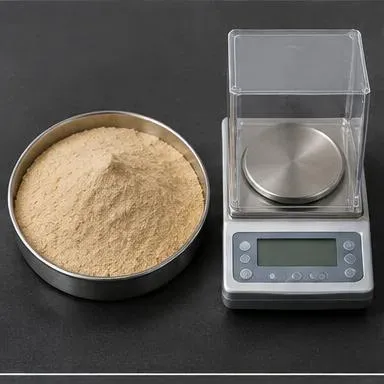
Product-specific specification
| Vitamin-Mineral Premixes | Evidence to request |
|---|---|
| Product-specific specification | Buyer-approved nutrient schedule and inclusion; carrier, homogeneity, compatibility, stability and batch formulation traceability. |
Lot acceptance and traceability
Turn the product checks into a written specification approved by your technical team. Separate guaranteed contractual values from typical information; state units, moisture basis, analytical methods and tolerances. Request a dated, lot-linked certificate of analysis and representative sampling plan. Agree who releases the lot, what happens after an out-of-spec result, and how retained samples and claims are handled. A generic technical sheet is not evidence for the shipment you receive.
Compare delivered offers on the same basis
Use the same grade, quantity, named delivery place, Incoterm, currency and quote date. Separate product, freight, insurance, duties, testing, handling and payment costs; never count included freight twice or unknown charges as zero. Concentrates require an agreed active-content or activity basis. Moisture correction and nutritional equivalence must use measured analysis and qualified approval, not a kilogram-for-kilogram swap. Ask for quote validity and confirm inclusions before comparing totals.
Shipment, storage and repeat supply
State quantity and units per shipment, frequency, requested arrival window, packaging and unloading constraints. Record warehouse temperature/humidity needs, remaining shelf life at arrival, segregation and traceability requirements. Ask the team to obtain dated lead-time proposals and contingency terms; this is not a stock or supplier-availability claim. Product eligibility and import documents must be checked for the actual destination and animal species, not inferred from another market.
Relate sourcing to measured feed conversion
A lower ingredient invoice does not prove a lower cost of animal production. Use the FCR calculator with your own feed consumed, liveweight gain and complete-feed cost over the same period. Keep species, phase, feed basis and measurement method consistent. Do not attribute an FCR change to an additive without comparable evidence; the calculator evaluates inputs, not product efficacy. Any inclusion or reformulation decision belongs to your qualified nutritionist.
Include these details in your RFQ
- Product, form/grade and approved specification; species and feed phase
- Quantity and units per shipment; repeat frequency
- Delivery country, receiving point, Incoterm and requested window
- Packaging, storage, unloading and remaining shelf-life needs
- Lot tests, sampling, traceability and required destination documents
- Offer validity, currency, payment terms and acceptance/claims conditions
Buyer use is free. Ingredient and recurring feed supply are assessed by specification, viable volume/frequency, destination and logistics—not the plant/equipment capital minimum. FeedMatch reviews your request, contacts suitable suppliers and presents responses through the team; no direct buyer–supplier handoff and no guaranteed offers.
Technical and regulatory references
- Codex CXC 54-2004 — Code of Practice on Good Animal Feeding
- EU Regulation (EC) No 183/2005 — feed hygiene and HACCP
- EU Regulation (EC) No 1831/2003 — feed-additive authorisation
- EU Food and Feed Information Portal — authorised feed additives
- EU Directive 2002/32/EC — undesirable substances in animal feed