
Feed and feed inputs
Grains and energy ingredients
Cereals, cereal by-products, oils and molasses bought by grade, moisture and delivery term.
What should a feed grain RFQ specify?
Name the grain and grade, maximum moisture and foreign material, the mycotoxin tests required per lot, crop year and origin, quantity and shipment window, and whether the price is quoted per tonne on an as-is or dry-matter basis. For sorghum and barley, state the type you need, since varieties differ.
Procurement guidance, not nutritional or veterinary advice · Reviewed
Add your requirements (optional)
Anything you add here is carried into the request form when you press "Request quotes via FeedMatch" on this page, so you can review it before sending. Nothing is sent until you submit that form.
Product types (7)
- No supplier offer documented
Fish Oil
Marine oil rich in long-chain omega-3 (EPA/DHA). Essential for salmonid, marine and premium pet-food diets.
Typical uses (guide, not a supplier claim): Fish & shrimp · Pet food
- No supplier offer documented
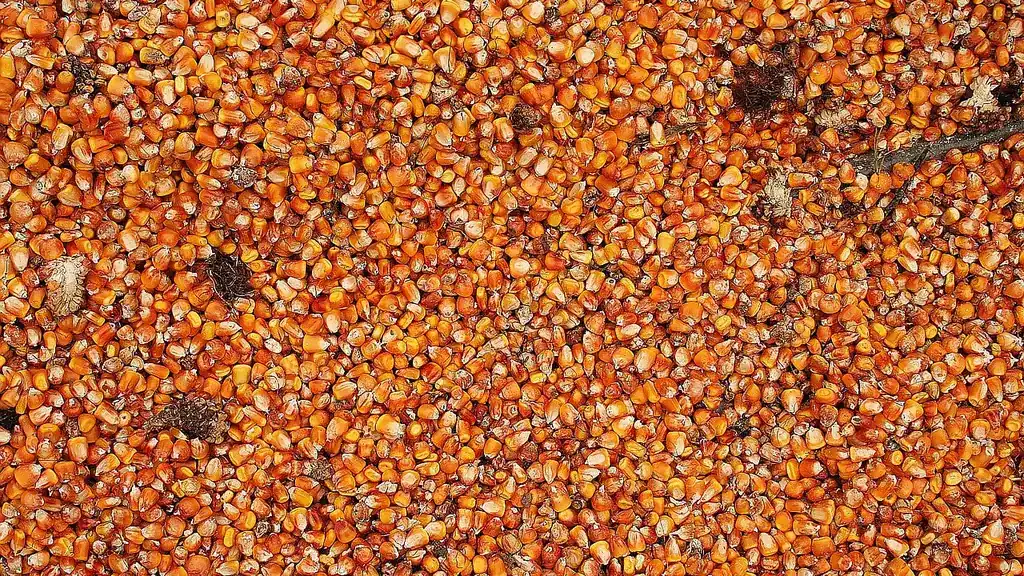
Corn
The world's dominant feed grain.
Typical uses (guide, not a supplier claim): Poultry · Pigs · Dairy cattle · Beef cattle · Fish & shrimp
- No supplier offer documented
Feed Wheat
Second global feed grain. Higher protein than corn, common in EU, Black Sea and Australian rations.
Typical uses (guide, not a supplier claim): Poultry · Pigs · Dairy cattle
- No supplier offer documented
Barley
Popular in EU, MENA and Australian ruminant and swine diets.
Typical uses (guide, not a supplier claim): Poultry · Pigs · Dairy cattle · Beef cattle · Sheep & goats
- No supplier offer documented
Sorghum
Corn substitute in Africa, Asia, Australia and Southern US.
Typical uses (guide, not a supplier claim): Poultry · Pigs · Dairy cattle · Beef cattle
- No supplier offer documented
Rice Bran
Rice milling by-product. Widely used in South and Southeast Asian feed.
Typical uses (guide, not a supplier claim): Poultry · Pigs · Dairy cattle · Fish & shrimp
- No supplier offer documented
Molasses
Used as pellet binder, palatability enhancer and energy source.
Typical uses (guide, not a supplier claim): Dairy cattle · Beef cattle · Sheep & goats · Poultry
Compare product forms
General buying considerations from the cited public sources — not supplier claims, nutrition values or advice on feeding animals. Confirm suitability with your nutritionist or veterinarian and with the supplier's documents for the specific lot.
Low-tannin sorghum
Best fit when: When your specification calls for low-tannin rather than high-tannin sorghum.
Check carefully: Ask how variety and tannin type were confirmed — the bleach test distinguishes pigmented from unpigmented testa.
Source: Feedipedia — Sorghum grain
Barley
Best fit when: When you can specify the barley type instead of treating all barley as interchangeable.
Check carefully: Ask whether the lot is a waxy barley, which is high in beta-glucans.
Source: Feedipedia — Barley grain
Stabilised (heat-treated or dried) rice bran
Best fit when: When you need rice bran that was treated promptly after milling to delay rancidity.
Check carefully: Ask when and how the bran was heated or dried — an unspecified treatment history does not show it was stabilised.
Source notes: each row paraphrases the linked page (Feedipedia — Sorghum grain; Feedipedia — Barley grain; Feedipedia — Rice bran and other rice by-products). Sources checked .
What a supplier must document
FeedMatch asks for these before an offer is presented to you. Anything a supplier has not documented stays marked as missing — it is never estimated.
- Grade and quality parameters with test methods
- Moisture and foreign-material limits
- Mycotoxin results per lot
- Origin, crop year and phytosanitary documents where required