
Pull to refresh
FeedMatch Group logo — wheat sheaf and interlocking chevrons emblem representing the independent animal feed procurement and ingredient intelligence platform
FeedMatchGroup
DashboardSign inRequest Feed Quote
Financing for animal feed and feed-ingredient purchasesSee financing options→←
Back to home
  1. Home
  2. /
  3. Feed Insights
  4. /
  5. Pig Feed
  6. /
  7. Swine Feed Procurement by Production Phase
Pig Feed· Oct 2026· 8 min read

Swine Feed Procurement by Production Phase

A practical procurement guide for commercial pig producers buying creep, nursery, grower, finisher and sow feeds, with guidance on specifications, deliveries, storage and supplier comparison.

Short answer · reviewed October 2026

Short answer: Swine Feed Procurement by Production Phase

A practical procurement guide for commercial pig producers buying creep, nursery, grower, finisher and sow feeds, with guidance on specifications, deliveries, storage and supplier comparison.

Key takeaways

  • !Separate labelled feed bins and delivery pipes for phase-specific feeds at a commercial pig unit
  • - Feed mill energy calculator - Feed landed cost calculator - Feed TCO supplier comparison calculator - Feed buyer FAQ: 100 questions
FM

FeedMatch Editorial Desk

Editorial Team
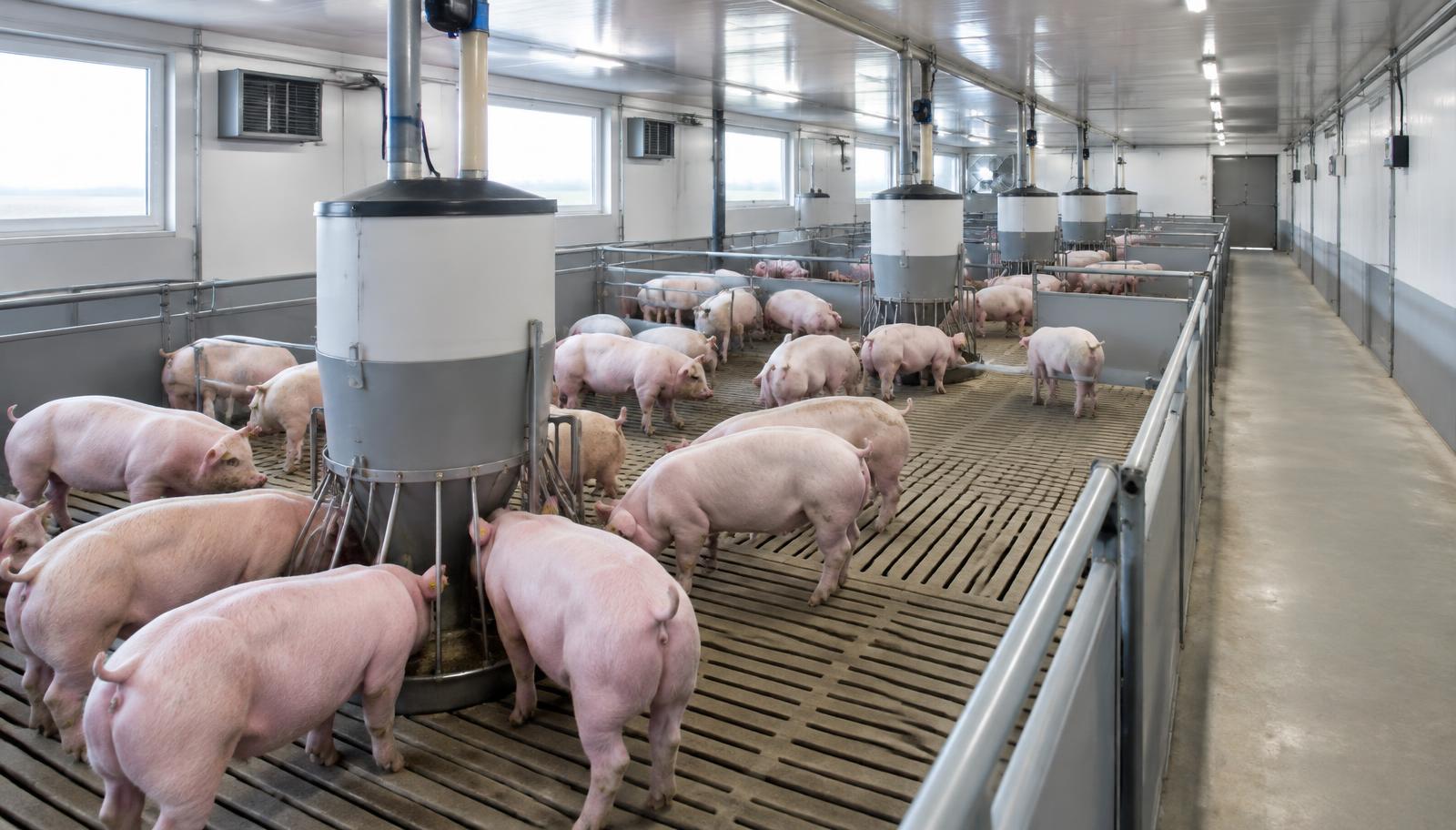
Labelled feed bins and delivery connections serving separate phases of a commercial pig unit

Short answer Procure pig feed by phase using nutritionist-approved specifications, separate product codes and delivery plans matched to animal movements and usable storage. Distinguish creep, nursery, grower, finisher and sow requirements rather than buying one standard ration. Compare swine feed suppliers against the same nutrient basis, feed form, quality controls, delivery conditions and commercial terms. Before ordering, confirm which bin receives each product, how residual feed will be managed, and which documents must accompany every load.
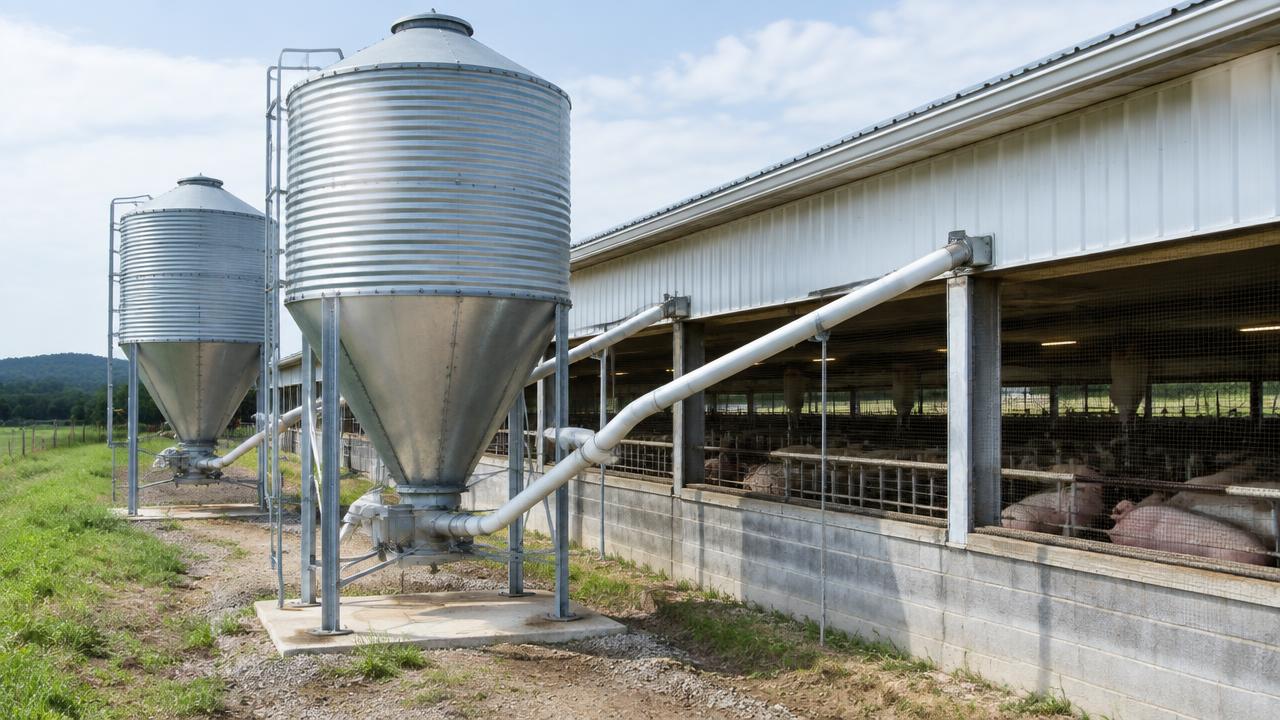
Separate labelled feed bins and delivery pipes for phase-specific feeds at a commercial pig unit

How should the product split reflect production phases? Start with the production calendar: farrowing groups, weaning dates, nursery transfers, growing accommodation and sow movements. Convert these into a product schedule with your nutritionist. The number of diets should reflect the feeding programme and the site's ability to segregate them, not simply the supplier's catalogue. | Phase | Procurement distinction | Form and handling questions | |---|---|---| | Creep | Separate supplementary feed for suckling piglets | Bag size, pellet or crumble format, freshness and opened-pack handling | | Nursery | One or several diets around weaning and subsequent transitions | Pellet, crumble or meal; fines limits; feeder compatibility | | Grower | Diet stages tied to the agreed weight or management bands | Meal or pellet; bulk unloading and bin allocation | | Finisher | Separate finishing stages where specified | Form consistency, residual stock and final delivery size | | Sow | Distinguish gestation and lactation; add transition diets if prescribed | Separate storage, feeding-system suitability and delivery frequency | Request separate prices and minimum order quantities for every product. Identify whether small-volume feeds require bagged supply, pallets or shared-load arrangements.

What belongs in a swine feed specification? ### Define the nutritional basis Have the responsible nutritionist approve each swine feed specification before issuing an RFQ. State the intended animal group, feeding period, complete-feed or complementary-feed status, and whether values are expressed as-fed or on a dry-matter basis. Specify the energy system and units; amino-acid basis, including digestibility where applicable; protein; calcium; phosphorus basis; sodium; fibre measures; and required vitamin and trace-mineral provision. Do not accept apparently similar figures that use different analytical or calculation conventions. ### Make acceptance measurable Include permitted or excluded ingredients, substitution rules, moisture limits, and relevant contaminant criteria under applicable law. Define physical requirements such as particle-size distribution, pellet dimensions, durability or fines at an agreed sampling point. For liquid systems, specify the purchased product's properties and storage requirements with the relevant specialists. Distinguish formulation targets, declared values and contractual guarantees. Agree test methods, tolerances, sampling responsibilities and dispute procedures. Require written approval for changes affecting the agreed specification, including ingredient substitutions and feed-additive changes.

How can supplier quotations be compared fairly? Give every bidder the same phase schedule, specifications, delivery addresses and order assumptions. For pig feed procurement, a headline price per tonne is insufficient if one quotation covers bulk delivery and another excludes transport or requires larger drops. Compare the following on a common basis: - Product price, currency, taxes and quotation validity. - Freight, unloading, minimum-load and split-load charges. - Bag, pallet and returnable-packaging terms where relevant. - Payment terms, price-adjustment mechanism and cancellation conditions. - Routine lead time, ordering cut-off and emergency-order provisions. - Included testing, documentation and handling of disputed loads. Use the [feed total-cost supplier comparison calculator](/feed-tco-supplier-comparison-calculator) to structure the comparison. Keep unconfirmed assumptions visible. Ask suppliers to describe how they manage production interruptions and alternative dispatch arrangements; do not treat a stated contingency plan as evidence that capacity is reserved.

How should phase changes be scheduled? ### Link ordering to animal movements Maintain a rolling schedule showing animal group, expected transition date, current stock, open orders and next product. Use farm records and nutritionist-agreed consumption assumptions, updating them as groups move or schedules change. The [feed requirements calculator](/feed-requirements-calculator) can help organise preliminary quantities. Agree whether each transition requires an empty bin, a controlled overlap or another feeding protocol. Do not introduce mixing merely to dispose of leftovers. Record responsibility for approving any deviation. Before dispatch, confirm the product code and receiving bin. Where products share conveying equipment, document sequencing and clean-out requirements with the supplier and farm team. Arrange the final delivery of the outgoing diet around usable residual stock, not the bin's nominal capacity.

How much bin capacity and stock cover are needed? Capacity planning must account for product segregation, delivery size, residual stock and access for inspection. A bin's stated volume is not a guaranteed tonnage: bulk density, safe fill limits and operating constraints affect usable capacity. ### Illustrative planning example The following inputs are illustrative examples only, not intake recommendations or expected results: > Daily phase demand = pigs in phase × assumed feed per pig per day > 1,000 pigs × 2.0 kg = 2,000 kg, or 2.0 tonnes/day > Seven days of assumed demand = 14 tonnes > With 3 tonnes of usable stock before delivery, a 12-tonne load would require space for 15 tonnes in the receiving bin. This simplified calculation excludes uncertainty and assumes one compatible feed. Set reserve-stock policy separately. Use the [farm feed storage calculator](/farm-feed-storage-calculator) for preliminary sizing, then have bin suitability, structures and unloading arrangements checked by the relevant specialists.

What delivery biosecurity rules should be agreed? Share written site rules before contracting, not when the truck reaches the gate. Define the approved route, parking point, clean and dirty boundaries, driver access and contact person. Where practical, locate feed connections so vehicles and drivers need not enter animal areas. Agree requirements for vehicle and equipment cleaning, previous-load information, hose handling and unloading connections according to the farm's veterinary biosecurity plan. Ask how multi-farm routes and shared equipment are managed. On arrival, check vehicle identity, product, load references and the designated bin before opening connections. Provide a stop-unloading procedure for discrepancies. Record delivery exceptions and any biosecurity incident, including who authorised the response.

Which documents and common mistakes need attention? ### Keep an auditable purchase file Retain the approved specification and revision, quotation, contract, order confirmation, delivery note, feed label or declaration, batch references and agreed analytical reports. Record sampling, retained-sample custody, complaints and disposition decisions. Link each received lot to its storage location and feeding period as far as the farm's system allows. Supplier documents and relevant public records can be reviewed for applicable business, feed-establishment and regulatory information. Check scope, dates and issuing sources rather than relying on logos. ### Avoid recurring procurement mistakes Common errors include combining gestation and lactation demand, comparing incompatible nutrient bases, ordering against nominal bin volume, accepting undocumented substitutions and overlooking small-drop charges. Another is specifying laboratory acceptance criteria without agreeing sampling methods or whether the load can be used while results are pending.

What should the buyer do next? ### Pre-RFQ checklist - Map animal groups to named products and forecast periods. - Obtain nutritionist approval of specifications and transition rules. - Assign bins and check usable capacity against delivery sizes. - Confirm delivery access and veterinary biosecurity requirements. - Define required documents, acceptance checks and contract responsibilities. - Issue one comparable RFQ pack and record supplier exceptions. For commercial opportunities of USD 250,000 or more, FeedMatch provides a human-led, supplier-neutral workflow through the [RFQ intake](/rfq-intake), with human review before any supplier contact. Buyers retain supplier selection. FeedMatch is not a certification body and does not audit factories. Tools and calculators provide preliminary planning outputs only. They do not replace a nutritionist, engineer, laboratory, lawyer, financial adviser or other relevant specialist.

What else do buyers ask about phase-based procurement? ### Can one feed cover several production phases? Only where the responsible nutritionist approves it for the defined groups. Purchasing convenience alone is not a basis for combining diets. ### Should every phase have a dedicated bin? Not necessarily. The storage plan must support segregation, controlled transitions and suitable clean-out. Bagged supply may be appropriate for some small-volume products. ### Is pelleted feed always the right purchasing choice? No. Choose form with the nutritionist and operations team, considering the feeding system, physical specification, storage, handling and delivered commercial terms. ### What should happen if a delivery fails checks? Pause unloading where possible, identify and segregate affected material, and follow the agreed rejection or quarantine procedure. Record supplier instructions and farm authorisation. ### How often should phase-feed forecasts be updated? Review them before each order and whenever animal numbers, movements or stock records change. Reconcile forecast demand with recorded use and physical inventory.

faqs object

faqs object

faqs object

faqs object

faqs object

faqs object

faqs object

faqs object

faqs object

faqs object

faqs object

faqs object

faqs object

faqs object

faqs object

faqs object

faqs object

faqs object

Related pages on FeedMatch

  • Feed mill energy calculator
  • Feed landed cost calculator
  • Feed TCO supplier comparison calculator
  • Feed buyer FAQ: 100 questions

Frequently asked questions

Can one feed cover several production phases?
Only where the responsible nutritionist approves it for the defined groups. Purchasing convenience alone is not a basis for combining diets.
Should every phase have a dedicated bin?
Not necessarily. The storage plan must support segregation, controlled transitions and suitable clean-out. Bagged supply may be appropriate for some small-volume products.
Is pelleted feed always the right purchasing choice?
No. Choose form with the nutritionist and operations team, considering the feeding system, physical specification, storage, handling and delivered commercial terms.
What should happen if a delivery fails checks?
Pause unloading where possible, identify and segregate affected material, and follow the agreed rejection or quarantine procedure. Record supplier instructions and farm authorisation.
How often should phase-feed forecasts be updated?
Review them before each order and whenever animal numbers, movements or stock records change. Reconcile forecast demand with recorded use and physical inventory.
ProcurementExport & International Trade

Explore related on FeedMatch

  • Swine feed insights
  • Browse verified feed suppliers
  • Feed & ingredient categories

Next steps for feed buyers

Turn this article into a procurement brief. A FeedMatch advisor reviews every request before any supplier is contacted.

  • Feed ingredient specifications
  • Feed and feed-mill calculators
  • Shortage calculators: stock, ration, storage
  • Feed procurement guides
  • Send a structured RFQ →

Related Solutions Across Global B2B Group

Complementary supplier-neutral platforms in the Global B2B Group family.

  • Explore the wider procurement ecosystem — specialized supplier-neutral platforms across industrial verticals.

    Visit Global B2B Group

Feed industry regions we work with

Feed procurement is local before it is global: raw material basis, freight and installation costs change by region. These are the areas buyers most often name when defining a feed project in English.

United States

Cities and provinces

Iowa · Nebraska · Georgia · Arkansas · Texas · North Carolina

Corn and soybean meal basis with large integrated poultry, swine and dairy operations.

United States →

United Kingdom and Ireland

Cities and provinces

East Anglia · Yorkshire · Lincolnshire · Northern Ireland · Munster

Compound feed and imported protein logistics through east coast and Irish Sea ports.

United Kingdom and Ireland →

Gulf and East Africa import markets

Cities and provinces

Jeddah · Dubai · Mombasa · Djibouti

Import-driven feed supply where landed cost and port logistics dominate the decision.

Gulf and East Africa import markets →

FeedMatch is supplier-neutral. Regional context helps define the requirement; pricing always comes from manufacturer quotations.

Move from insight to procurement

Turn the ideas in this article into a live procurement action — supplier-neutral, buyer-controlled, fully documented.

Get Multiple Quotes Submit one brief — offers from independent feed and ingredient suppliers are compared after human review.Talk to Procurement Experts Route your project to FeedMatch's supplier-neutral procurement desk.Calculate Your Project FCR, feed volume, storage and CIF landed-cost calculators.Browse Feed Ingredients Specifications for grains, protein meals, premixes and additives.

On this page

  • Short answer Procure pig feed by phase using nutritionist-approved specifications, separate product codes and delivery plans matched to animal movements and usable storage. Distinguish creep, nursery, grower, finisher and sow requirements rather than buying one standard ration. Compare swine feed suppliers against the same nutrient basis, feed form, quality controls, delivery conditions and commercial terms. Before ordering, confirm which bin receives each product, how residual feed will be managed, and which documents must accompany every load.
  • How should the product split reflect production phases? Start with the production calendar: farrowing groups, weaning dates, nursery transfers, growing accommodation and sow movements. Convert these into a product schedule with your nutritionist. The number of diets should reflect the feeding programme and the site's ability to segregate them, not simply the supplier's catalogue. | Phase | Procurement distinction | Form and handling questions | |---|---|---| | Creep | Separate supplementary feed for suckling piglets | Bag size, pellet or crumble format, freshness and opened-pack handling | | Nursery | One or several diets around weaning and subsequent transitions | Pellet, crumble or meal; fines limits; feeder compatibility | | Grower | Diet stages tied to the agreed weight or management bands | Meal or pellet; bulk unloading and bin allocation | | Finisher | Separate finishing stages where specified | Form consistency, residual stock and final delivery size | | Sow | Distinguish gestation and lactation; add transition diets if prescribed | Separate storage, feeding-system suitability and delivery frequency | Request separate prices and minimum order quantities for every product. Identify whether small-volume feeds require bagged supply, pallets or shared-load arrangements.
  • What belongs in a swine feed specification? ### Define the nutritional basis Have the responsible nutritionist approve each swine feed specification before issuing an RFQ. State the intended animal group, feeding period, complete-feed or complementary-feed status, and whether values are expressed as-fed or on a dry-matter basis. Specify the energy system and units; amino-acid basis, including digestibility where applicable; protein; calcium; phosphorus basis; sodium; fibre measures; and required vitamin and trace-mineral provision. Do not accept apparently similar figures that use different analytical or calculation conventions. ### Make acceptance measurable Include permitted or excluded ingredients, substitution rules, moisture limits, and relevant contaminant criteria under applicable law. Define physical requirements such as particle-size distribution, pellet dimensions, durability or fines at an agreed sampling point. For liquid systems, specify the purchased product's properties and storage requirements with the relevant specialists. Distinguish formulation targets, declared values and contractual guarantees. Agree test methods, tolerances, sampling responsibilities and dispute procedures. Require written approval for changes affecting the agreed specification, including ingredient substitutions and feed-additive changes.
  • How can supplier quotations be compared fairly? Give every bidder the same phase schedule, specifications, delivery addresses and order assumptions. For pig feed procurement, a headline price per tonne is insufficient if one quotation covers bulk delivery and another excludes transport or requires larger drops. Compare the following on a common basis: - Product price, currency, taxes and quotation validity. - Freight, unloading, minimum-load and split-load charges. - Bag, pallet and returnable-packaging terms where relevant. - Payment terms, price-adjustment mechanism and cancellation conditions. - Routine lead time, ordering cut-off and emergency-order provisions. - Included testing, documentation and handling of disputed loads. Use the [feed total-cost supplier comparison calculator](/feed-tco-supplier-comparison-calculator) to structure the comparison. Keep unconfirmed assumptions visible. Ask suppliers to describe how they manage production interruptions and alternative dispatch arrangements; do not treat a stated contingency plan as evidence that capacity is reserved.
  • How should phase changes be scheduled? ### Link ordering to animal movements Maintain a rolling schedule showing animal group, expected transition date, current stock, open orders and next product. Use farm records and nutritionist-agreed consumption assumptions, updating them as groups move or schedules change. The [feed requirements calculator](/feed-requirements-calculator) can help organise preliminary quantities. Agree whether each transition requires an empty bin, a controlled overlap or another feeding protocol. Do not introduce mixing merely to dispose of leftovers. Record responsibility for approving any deviation. Before dispatch, confirm the product code and receiving bin. Where products share conveying equipment, document sequencing and clean-out requirements with the supplier and farm team. Arrange the final delivery of the outgoing diet around usable residual stock, not the bin's nominal capacity.
  • How much bin capacity and stock cover are needed? Capacity planning must account for product segregation, delivery size, residual stock and access for inspection. A bin's stated volume is not a guaranteed tonnage: bulk density, safe fill limits and operating constraints affect usable capacity. ### Illustrative planning example The following inputs are illustrative examples only, not intake recommendations or expected results: > Daily phase demand = pigs in phase × assumed feed per pig per day > 1,000 pigs × 2.0 kg = 2,000 kg, or 2.0 tonnes/day > Seven days of assumed demand = 14 tonnes > With 3 tonnes of usable stock before delivery, a 12-tonne load would require space for 15 tonnes in the receiving bin. This simplified calculation excludes uncertainty and assumes one compatible feed. Set reserve-stock policy separately. Use the [farm feed storage calculator](/farm-feed-storage-calculator) for preliminary sizing, then have bin suitability, structures and unloading arrangements checked by the relevant specialists.
  • What delivery biosecurity rules should be agreed? Share written site rules before contracting, not when the truck reaches the gate. Define the approved route, parking point, clean and dirty boundaries, driver access and contact person. Where practical, locate feed connections so vehicles and drivers need not enter animal areas. Agree requirements for vehicle and equipment cleaning, previous-load information, hose handling and unloading connections according to the farm's veterinary biosecurity plan. Ask how multi-farm routes and shared equipment are managed. On arrival, check vehicle identity, product, load references and the designated bin before opening connections. Provide a stop-unloading procedure for discrepancies. Record delivery exceptions and any biosecurity incident, including who authorised the response.
  • Which documents and common mistakes need attention? ### Keep an auditable purchase file Retain the approved specification and revision, quotation, contract, order confirmation, delivery note, feed label or declaration, batch references and agreed analytical reports. Record sampling, retained-sample custody, complaints and disposition decisions. Link each received lot to its storage location and feeding period as far as the farm's system allows. Supplier documents and relevant public records can be reviewed for applicable business, feed-establishment and regulatory information. Check scope, dates and issuing sources rather than relying on logos. ### Avoid recurring procurement mistakes Common errors include combining gestation and lactation demand, comparing incompatible nutrient bases, ordering against nominal bin volume, accepting undocumented substitutions and overlooking small-drop charges. Another is specifying laboratory acceptance criteria without agreeing sampling methods or whether the load can be used while results are pending.
  • What should the buyer do next? ### Pre-RFQ checklist - Map animal groups to named products and forecast periods. - Obtain nutritionist approval of specifications and transition rules. - Assign bins and check usable capacity against delivery sizes. - Confirm delivery access and veterinary biosecurity requirements. - Define required documents, acceptance checks and contract responsibilities. - Issue one comparable RFQ pack and record supplier exceptions. For commercial opportunities of USD 250,000 or more, FeedMatch provides a human-led, supplier-neutral workflow through the [RFQ intake](/rfq-intake), with human review before any supplier contact. Buyers retain supplier selection. FeedMatch is not a certification body and does not audit factories. Tools and calculators provide preliminary planning outputs only. They do not replace a nutritionist, engineer, laboratory, lawyer, financial adviser or other relevant specialist.
  • What else do buyers ask about phase-based procurement? ### Can one feed cover several production phases? Only where the responsible nutritionist approves it for the defined groups. Purchasing convenience alone is not a basis for combining diets. ### Should every phase have a dedicated bin? Not necessarily. The storage plan must support segregation, controlled transitions and suitable clean-out. Bagged supply may be appropriate for some small-volume products. ### Is pelleted feed always the right purchasing choice? No. Choose form with the nutritionist and operations team, considering the feeding system, physical specification, storage, handling and delivered commercial terms. ### What should happen if a delivery fails checks? Pause unloading where possible, identify and segregate affected material, and follow the agreed rejection or quarantine procedure. Record supplier instructions and farm authorisation. ### How often should phase-feed forecasts be updated? Review them before each order and whenever animal numbers, movements or stock records change. Reconcile forecast demand with recorded use and physical inventory.
  • Related pages on FeedMatch

Related insights

Hand-picked from the same feeding-system and species clusters.

Benchmarks

FCR Benchmarks 2026: What Good Looks Like in Poultry, Fish, Cattle and Swine

One number decides whether your feed programme is winning or losing: feed conversion. Here are the 2026 industrial benchmarks across broilers, layers, salmon, tilapia, shrimp, dairy, beef and swine — and what actually moves each of them.

Solutions

Feeding Systems Compared: Pan, Chain, Tube, Rail, Wet & Precision — What Actually Fits Your Operation

A supplier-neutral comparison of the main animal feeding systems — pan, chain, tube, rail, liquid and precision — with the trade-offs that actually change FCR, labor and capex on real farms.

Contracts

How to Structure a Recurring Feed Supply Contract (6–12+ Months)

Learn how commercial buyers structure recurring supply contracts for compound feed and ingredients to manage price volatility and ensure supply continuity.

Quote comparison

How to Compare Feed Ingredient Quotes: A Buyer's Guide to True Value

Effectively comparing feed ingredient quotes requires normalizing for moisture, freight, and nutrient content to determine the true landed cost per unit of value.

Industrial feed calculators

Other calculators

Free planning tools for feed volume, water, airflow and heat load — with the assumptions shown, so you can defend the numbers internally.

  • Feed Consumption Calculator
  • Water Consumption Calculator
  • Ventilation Calculator

Feed calculators by species

All calculators

Size the tonnage, check the feed conversion ratio and cost it per head before you ask for prices — each tool carries a worked example and hands the volume straight to an RFQ.

  • Poultry feed calculator
  • Broiler feed calculator
  • FCR calculator
  • Cattle feed calculator
  • Dairy feed cost calculator
  • Fish & shrimp feed calculator
  • Shrimp feed calculator
  • Feed ingredient cost comparison
  • Annual feed procurement calculator
  • FCR profit sensitivity
  • Swine feed calculator
  • Layer feed & cost per egg calculator
  • Salmon feed budget calculator
  • Trout feed budget calculator
  • Seabass feed budget calculator
  • Seabream feed budget calculator
FeedMatch Group logo — wheat sheaf and interlocking chevrons emblem representing the independent animal feed procurement and ingredient intelligence platform
FeedMatchGroup

Global animal feed & ingredient procurement. Supplier-neutral sourcing of feed and raw materials for farms, integrators, feed mills and importers worldwide.

Follow us on LinkedIn
Chat with our team on WhatsApp+44 7936 808834
Language

Feed Procurement

  • Request a Feed RFQ
  • Get a Free Quote
  • Feed Procurement
  • Feed Procurement Platform
  • Commercial Procurement
  • Buyer's Guide
  • Tenders & Institutional Bids
  • Supplier Sourcing
  • Landed Cost by Trade Lane
  • Logistics & Freight

Feed & Ingredients

  • Feed Ingredients
  • Premixes, Additives & Feed-Grade Products
  • Feed by Species
  • Feed by Production Stage
  • Specification Library
  • Standards Library

Calculators & Tools

  • Calculators & Tools
  • Feed Mill Operating Costs
  • Feed Mill Energy Calculator
  • Feed Mill Calculator

Company

  • About FeedMatch
  • How It Works
  • Buyer Intelligence
  • Become a Supplier
  • FAQ
  • Global B2B Group Network
  • Contact
  • Sitemap
Global B2B Group — Our Network

One procurement operating system across every protein & agri vertical. Explore the full network →

  • HatchMatch — Poultry
  • FishMatch — Aquaculture
  • ColdMatch — Cold Chain
  • SeedMatch — Seeds & Inputs

FeedMatch Group is a human-led, supplier-neutral B2B feed procurement service for commercial feed and ingredient buyers from USD $250,000+. Every request is reviewed by our team — suppliers are contacted only after authorized human review.

FeedMatch Group is the specialized animal feed and feed-ingredient procurement platform of Global B2B Group. FeedMatch Group is not a feed manufacturer, ingredient trader, commodity trader, distributor, broker, feed mill, nutritionist, veterinarian, EPC contractor, lender, bank, credit provider, financial advisor, investment advisor, insurer, underwriter or regulated financial services provider. Any financing, leasing, trade finance, working capital or project-finance option mentioned on this website is provided solely by independent third-party financing providers, subject to their own eligibility checks, KYC, due diligence, compliance review, approval, terms and documentation. FeedMatch Group does not provide financial advice, does not arrange regulated financial products, does not guarantee financing approval, and is not responsible for any financing decision, offer, rejection, delay, cost, term or outcome. Quotes, feed, ingredients, additives, equipment, logistics, services, warranties, feed safety, nutritional outcomes, FCR and animal performance remain solely the responsibility of independent third-party suppliers, manufacturers, logistics providers or qualified professionals. See Terms and Disclaimer.

FeedMatchGroup.com · Global Animal Feed & Ingredient Procurement
Privacy·Terms·Cookies·Disclaimer·Legal Center·Accessibility·Accessibility Support·Contact·Sitemap
© 2026 FeedMatchGroup.com · All rights reserved.FeedMatch Group is the specialized animal feed and feed-ingredient procurement platform of Global B2B Group. FeedMatch is not a feed manufacturer, ingredient trader, commodity trader, distributor, broker, feed mill, premix or additive producer, EPC contractor, lender or regulated financial services provider. Quotes, feed, ingredients, equipment, logistics, financing and services are provided solely by independent third parties and remain subject to their terms, approvals and responsibilities. Operated from the Republic of Cyprus.Built for commercial feed procurement from USD $250K+ — feed mills, integrators, importers, EPCs, governments and industrial farms. Not intended for hobby, backyard, pet-owner or small retail purchasing. How FeedMatch works.FeedMatch Group is a specialized platform of Global B2B Group — a global B2B procurement, project development and financing ecosystem. Sister platforms: HatchMatch Group, ColdMatch Group, FishMatch Group, SeedMatch Group.The specialized feed platform within the Global B2B Group ecosystem.
CalculatorsGuidesFinancingRequest a Quote
WhatsApp
Where this applies

Take this to a market — or brief it directly

Market pages

  • Egypt feed market overview
  • Nigeria feed market overview
  • Azerbaijan feed market overview
  • Kazakhstan feed market overview

Act on it

  • Start a structured RFQBrief once, get comparable supplier offers
  • Supplier directorySupplier-declared profiles and reviewed documents
  • Project & trade financingLC, CAD and reviewed financing routes