FinancingFeed working capital, export credit, trade finance & asset leasing — explore options

Feed Pigments — Especificações, fornecedores e RFQ

Feed Pigments: especificações técnicas, origens globais, certificações GMP+/FAMI-QS e cotações verificadas. Natural (marigold, paprika) and synthetic (cantha…

FinancingFeed working capital, export credit, trade finance & asset leasing — explore options
Feed Additives

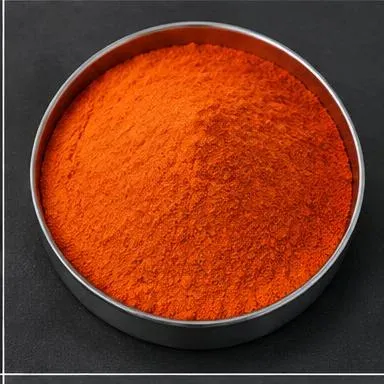
Feed Pigments

Also known as: Xanthophylls · Marigold extract · Canthaxanthin · Astaxanthin

Natural (marigold, paprika) and synthetic (canthaxanthin, astaxanthin) carotenoids for yolk, skin and salmon flesh colour.

Applications by species

layersbroilerssalmontroutshrimp

Top global export origins

Mexico India China European Union Israel

FeedMatch Group's RFQ Builder benchmarks landed costs across origins for your discharge port and shipment window.

Certifications & quality standards

GMP+ FAMI-QS EU FeedAP-authorised

Buyer considerations

Advantages

  • Precise Roche colour fan targeting
  • Astaxanthin for salmon flesh colour and antioxidant function

Constraints & risks

  • Synthetic pigments face consumer-labelling scrutiny in some markets
  • Astaxanthin is one of the most expensive feed ingredients per kg

Buying this as part of your additive programme

Feed Pigments is bought inside the additives category, where specification discipline — not price per kilogram — decides the real cost. Our feed additives procurement guide covers how to write a quotable specification, which certifications and registrations to demand (FAMI-QS, GMP+, EU Reg. 1831/2003), when a premix beats buying straights, and how to normalise offers to delivered cost per unit of active.

Key specifications to contract

Each parameter is explained in the specification library — what it measures, how it is tested and what to verify.

Laboratory testing programme

TestWhy buyers run it
Activity assay (enzyme units, cfu/g, active concentration)Activity, not product weight, is what performs
Stability after thermal challengePredicts survival through conditioning and pelleting
Microbiological purityConfirms absence of contaminating organisms in live products
Moisture / water activityGoverns the survival of live cultures and enzyme stability

Storage, packaging, transport & handling

Shelf life

Typically 12–24 months for dry additives in sealed packaging; live cultures, enzymes and organic acids are shorter and more condition-sensitive.

Storage recommendations
  • Cool, dry, dark storage in original sealed packaging
  • Keep live products and enzymes away from heat sources and moisture
  • Segregate corrosive organic acids with appropriate containment
Packaging options
  • Sealed moisture-barrier bags for dry additives
  • Fibre drums or IBCs for liquids
  • Original manufacturer packaging retained for traceability
Transportation considerations
  • Specify temperature limits for heat-sensitive actives
  • Verify dangerous-goods classification and documentation for acids and oxidisers
Handling best practices
  • Dose against declared activity units, not product weight
  • Account for thermal loss during conditioning and pelleting — use coated or post-pellet forms where relevant
  • Verify mixer homogeneity with a suitable marker

Procurement considerations

  • Require the authorisation number and approved inclusion range for the destination market and target species
  • Specify activity units and the assay method used to determine them
  • Confirm thermal stability data matching your conditioning temperature
Common industry standards
  • GMP+ FSA / FAMI-QS feed safety scheme certification of the producing site
  • ISO/IEC 17025 accredited analysis for contractual and safety parameters
  • HACCP plan covering the specific material and process route
  • Codex Alimentarius Code of Practice on Good Animal Feeding
  • Destination-market additive authorisation, labelling and inclusion limits

Typical risks & common mistakes

Typical risks
  • Activity loss during pelleting invalidating the intended dose
  • Non-authorised additive or claim in the destination market
  • Label activity that cannot be reproduced by an independent laboratory
Common mistakes
  • Comparing additives on price per kilogram instead of price per active unit delivered to the animal
  • Assuming an authorisation in one market transfers to another

Species & industry intelligence

LayersBroilersSalmonTroutShrimp

Related knowledge

Educational reference maintained by FeedMatch Group. We do not rank, recommend or endorse manufacturers; values are indicative industry references and never replace testing of the delivered lot.

Your next step, by buying intent

Pick the lane that matches where you are in the purchase — each link goes to the exact tool or page for that step.

Frequently asked questions

How much astaxanthin in salmon feed?

40–70 ppm in grower/finisher for the pink Salmofan target.

Natural or synthetic yolk pigments?

Natural marigold + paprika for premium/organic; synthetic canthaxanthin blended with natural yellow for cost-optimised commercial.

Are astaxanthin alternatives available?

Fermentation-derived Phaffia rhodozyma and algal Haematococcus are commercial natural sources — premium priced.

For commercial farm feed buyers

Buying feed pigments for a commercial farm

Best for
Commercial farms, integrators, distributors and feed buyers sourcing feed pigments and related feed, additives or nutrition supply on a recurring commercial scale — not pet food, hobby farms or backyard quantities.
Animal species covered
Broilers and layers, dairy and beef cattle, pigs, tilapia, salmon and shrimp, plus sheep and goats on request.
Typical feed buyer needs
A written specification, verified suppliers who can hold that specification, comparable pricing on the same delivery terms, documented quality (CoA, certifications) and a supply schedule that matches production.
Bulk feed and recurring supply
Most requests are bulk or big-bag volumes on monthly or quarterly contracts. Volume per delivery, storage capacity on farm and contract length change price more than the headline per-tonne quote.
Feed additives and premix
Premix, amino acids, minerals, vitamins, enzymes, organic acids, toxin binders and other additives can be quoted alongside compound feed or ingredients so one supplier comparison covers the whole ration.
What affects feed cost
Raw-material origin and specification, inclusion rates, freight and Incoterms, packaging, order volume, payment terms, currency and certification requirements. Landed cost, not ex-works price, decides the winner.
RFQ checklist
Species and production stage, tonnes per month, target specification, delivery port or farm location, packaging, required certifications, first delivery date and contract duration.
Supplier matching process
You define the requirement, FeedMatch structures the RFQ, sends it to relevant qualified suppliers, and returns comparable offers side by side so you can negotiate on equal terms.
Buyer is not charged
Farm buyers are not charged to submit a requirement, receive matched suppliers or compare quotes.

FeedMatch helps farm buyers compare feed suppliers, nutrition providers, additives suppliers and related solutions. FeedMatch is an intermediary and does not manufacture feed or provide financing directly.

Get a Free QuoteExplore Financing