
Feed Quality and Livestock Mortality: What Buyers Can Control
Buyers can control specifications, contamination checks, storage conditions and batch traceability. These measures help manage feed-related health risks, but mortality investigation requires veterinary and nutritional expertise.
Short answer · reviewed October 2026
Short answer: Feed Quality and Livestock Mortality: What Buyers Can Control
| Contract element | Weak wording | More actionable wording | |---|---|---| | Moisture | Dry material | Maximum moisture, test method and reporting basis | | Mycotoxins | Free from toxins | Named toxins, applicable limits, method and sampling protocol | | Fat condition | Fresh oil | Agreed oxidation indicators and…
Key takeaways
- !Feed ingredient bags stored on pallets with visible lot labels and inspection access
- | Contract element | Weak wording | More actionable wording | |---|---|---| | Moisture | Dry material | Maximum moisture, test method and reporting basis | | Mycotoxins | Free from toxins | Named toxins, applicable limits, method and…
- Use the storage resource to support planning, but validate actual conditions on site.
- Convert unresolved points into written RFQ requirements rather than informal assurances.
- - Annual feed procurement calculator - Feed bags trucks containers calculator - Broiler feed calculator - Feed buyer FAQ: 100 questions
FeedMatch Editorial Desk
Editorial Team
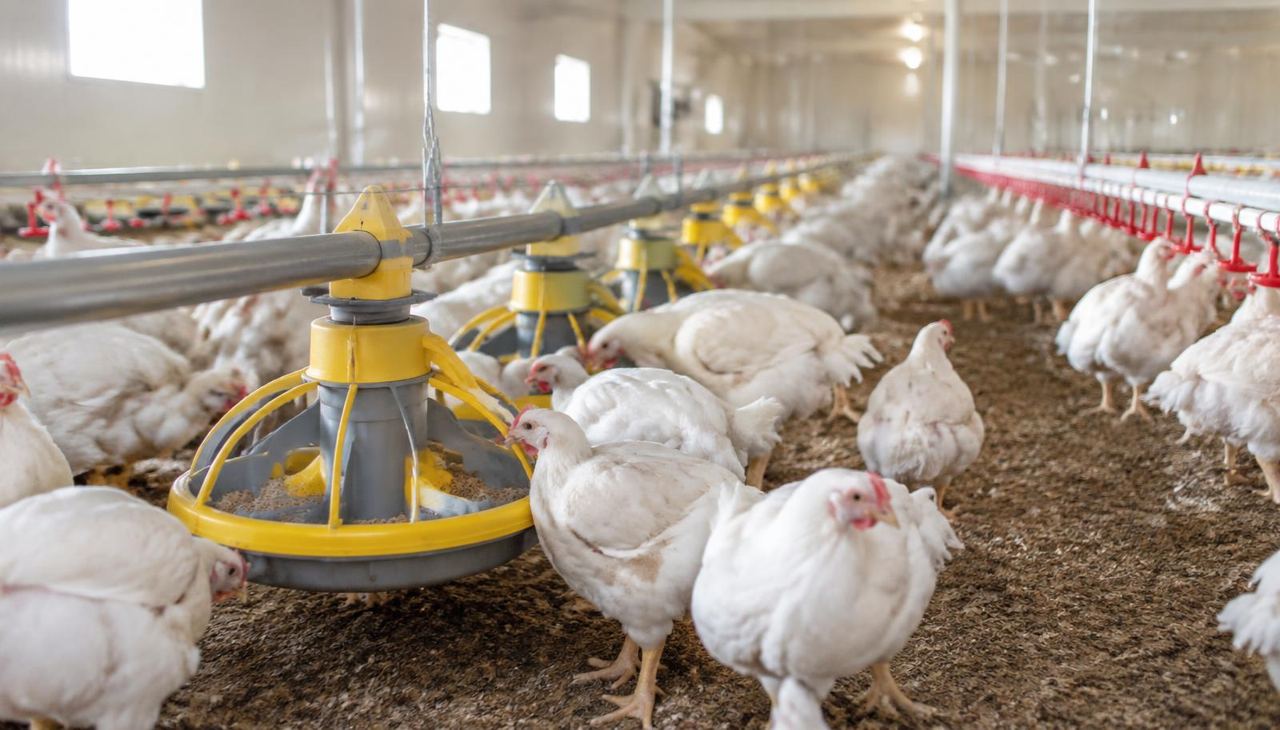
Short answer Feed quality can contribute to livestock illness and mortality, but deaths have many possible causes, including infection, water problems, heat stress, management failures and nutritional imbalance. Buyers can reduce avoidable feed-related exposure through clear specifications, representative sampling, appropriate testing, controlled storage and lot-level traceability. They cannot diagnose the cause of deaths from a delivery record or laboratory result alone. Mortality investigation belongs to veterinarians, with nutritionists assessing formulation and dietary exposure. If deaths increase unexpectedly, promptly involve those specialists, preserve feed samples and records, and coordinate any feed withdrawal or replacement with the responsible professionals.
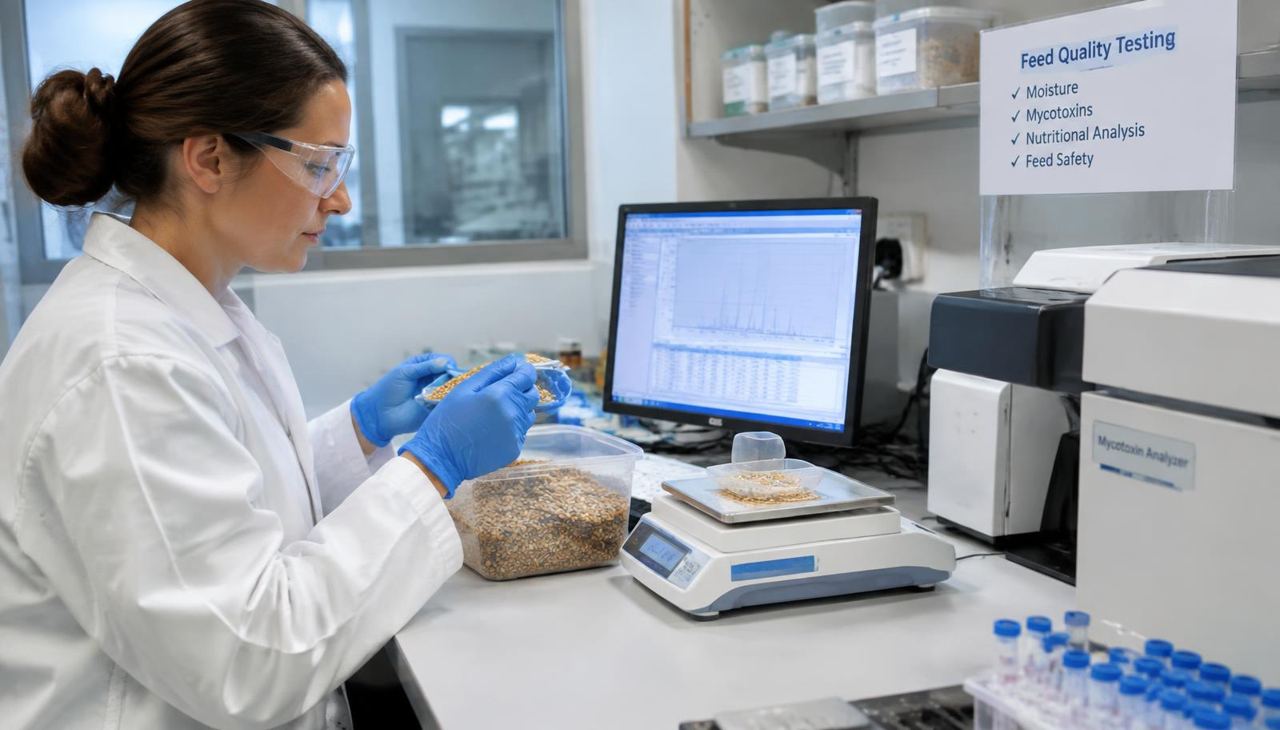
Which ingredient risks should buyers prioritise? Risk depends on the ingredient, origin, processing history, transport conditions, intended species and inclusion rate. Use the [ingredient directory](/ingredients) to organise ingredient categories, then ask your nutritionist and laboratory which hazards need contractual limits and testing.
Separate contamination from deterioration
How should specifications and tolerances be written? A purchasing specification should identify the material, intended use, measurable acceptance criteria and decision process. Align legal requirements with the destination market and animal category. Where guidance differs by species or life stage, do not copy a limit from another production system.
| Contract element | Weak wording | More actionable wording |
|---|---|---|
| Moisture | Dry material | Maximum moisture, test method and reporting basis |
| Mycotoxins | Free from toxins | Named toxins, applicable limits, method and sampling protocol |
| Fat condition | Fresh oil | Agreed oxidation indicators and acceptance criteria |
| Composition | Typical protein | Contractual range, analytical basis and deviation procedure |
| Shelf life | Long shelf life | Date definition, storage conditions and minimum remaining life at receipt |
| Disputes | Reject poor quality | Hold, retest, referee laboratory and disposition procedure |
Keep tolerances separate from safety limits
What makes incoming inspection reliable enough to act on? Incoming inspection should connect the physical delivery to its documents before unloading or use. Check supplier identity, ingredient description, lot numbers, seals where applicable, packaging condition, dates and transport cleanliness. Record unusual odours, heating, moisture damage or infestation without treating their absence as proof of safety.
Sampling quality determines test usefulness
Why does batch consistency matter beyond a passing result? An ingredient can meet an individual specification yet vary enough between deliveries to disrupt formulation assumptions or processing. Changes in moisture, nutrient concentration, particle size or fat quality can alter the usable value of a purchase. Their nutritional significance depends on the complete diet, not the ingredient alone. Request lot-linked certificates of analysis where appropriate, then reconcile them with periodic independent checks. Trend results by ingredient, source and delivery date. A shift within contractual limits may still warrant discussion with the nutritionist. Require advance notification of relevant changes in manufacturing location, raw-material origin, processing or declared composition. Do not assume an unchanged trade name means an unchanged material. Keep purchasing substitutions subject to technical approval; a cheaper alternative is not automatically nutritionally interchangeable.
How should storage and shelf life affect order size? Buy only quantities that can be received, segregated and used under the specified conditions. Review warehouse or silo suitability, cleaning, pest control, water ingress, condensation and stock rotation. Keep incompatible materials separate and maintain lot identity through transfers. Use first-expiry-first-out where expiry dates are meaningful. Manufacturing date, dispatch date and delivery date are not interchangeable. Agree minimum remaining shelf life at receipt and conditions that invalidate it, including damaged packaging or inappropriate temperature exposure.
Illustrative stock-coverage calculation
Use the storage resource to support planning, but validate actual conditions on site. Tools and calculators provide preliminary planning outputs and do not replace a nutritionist, engineer, laboratory, lawyer, financial adviser or other relevant specialist.
What traceability helps when illness or mortality increases? Maintain a link from purchase order and supplier lot to receipt, storage location, processing or mixing batch, and the animals receiving the feed. Where lots are commingled, document the affected inventory rather than claiming precision the records cannot support. For a poultry mortality investigation, feed records are one evidence stream alongside veterinary findings, water quality, environmental conditions and management history. Timing can suggest a hypothesis but does not prove causation.
Preserve evidence without delaying animal care
Which common purchasing mistakes weaken feed quality control? Common mistakes include accepting a certificate that cannot be linked to the delivered lot, treating a negative result as proof that every part of a shipment is uncontaminated, and inspecting only after material has entered a shared silo. Other failures are contractual: undefined test methods, no decision rule for conflicting results, and no allocation of sampling or disposal costs. These gaps turn a technical issue into a prolonged commercial dispute. Avoid attributing mortality to feed solely because a new delivery preceded it. Equally, do not dismiss a plausible feed hazard because the supplier has previously delivered acceptable material.
What should buyers do before the next order? Start with one ingredient whose failure would create substantial animal-health or operational exposure. Review its specification, recent results, storage conditions and traceability with purchasing, site operations, the nutritionist and the veterinarian where relevant.
Pre-order checklist
Convert unresolved points into written RFQ requirements rather than informal assurances. Record which documents and relevant public records need review, while recognising that documentary review does not establish current batch safety. For commercial opportunities of USD 250,000 or more, the FeedMatch RFQ intake supports a human-led, supplier-neutral workflow with human review before any supplier contact. Documents and relevant public records can be reviewed; FeedMatch is not a certification body and does not audit factories. The buyer retains supplier selection and approval responsibility.
faqs
What is the relationship between feed quality and livestock mortality?
Can a negative mycotoxin test prove a delivery is safe?
What should a buyer check when poultry mortality rises after a feed delivery?
Should buyers accept a discount for out-of-specification feed?
How can buyers set an appropriate remaining shelf-life requirement?
faqs
##
Related pages on FeedMatch
Frequently asked questions
- What is the relationship between feed quality and livestock mortality?
- Unsafe, deteriorated or nutritionally unsuitable feed can contribute to illness and mortality, but mortality has many causes. Procurement controls can reduce avoidable feed-related exposure. Veterinarians must investigate deaths, with nutritionists assessing the diet and relevant feeding history.
- Can a negative mycotoxin test prove a delivery is safe?
- No. A result applies to the submitted sample and the analytes tested, within the method's capabilities. Uneven contamination, unrepresentative sampling and untested hazards limit what a negative result establishes. Use a risk-based sampling and testing plan agreed with specialists.
- What should a buyer check when poultry mortality rises after a feed delivery?
- Promptly involve the veterinarian and nutritionist. Identify the delivered lot, affected birds, feeding dates, storage locations and any changes in formulation or management. Preserve samples and records, and coordinate decisions about suspect feed. The timing alone does not prove feed caused the deaths.
- Should buyers accept a discount for out-of-specification feed?
- Not when the material breaches legal restrictions or relevant safety requirements. A commercial deviation may be considered only through a documented technical and contractual approval process. A discount does not establish suitability for the intended animals.
- How can buyers set an appropriate remaining shelf-life requirement?
- Work backwards from expected consumption, delivery timing and the supplier's supported shelf life under specified storage conditions. Account for inspection holds and operational variability. Stock-coverage arithmetic supports planning but cannot validate safe shelf life.
Feed industry regions we work with
Feed procurement is local before it is global: raw material basis, freight and installation costs change by region. These are the areas buyers most often name when defining a feed project in English.
United States
Cities and provinces
Iowa · Nebraska · Georgia · Arkansas · Texas · North Carolina
Corn and soybean meal basis with large integrated poultry, swine and dairy operations.
United States →United Kingdom and Ireland
Cities and provinces
East Anglia · Yorkshire · Lincolnshire · Northern Ireland · Munster
Compound feed and imported protein logistics through east coast and Irish Sea ports.
United Kingdom and Ireland →Gulf and East Africa import markets
Cities and provinces
Jeddah · Dubai · Mombasa · Djibouti
Import-driven feed supply where landed cost and port logistics dominate the decision.
Gulf and East Africa import markets →FeedMatch is supplier-neutral. Regional context helps define the requirement; pricing always comes from manufacturer quotations.
Move from insight to procurement
Turn the ideas in this article into a live procurement action — supplier-neutral, buyer-controlled, fully documented.