Fish Oil — Especificações, fornecedores e RFQ
Fish Oil: especificações técnicas, origens globais, certificações GMP+/FAMI-QS e cotações verificadas. Marine oil rich in long-chain omega-3 (EPA/DHA). Essen…
Fish Oil
Also known as: Marine oil · Omega-3 oil
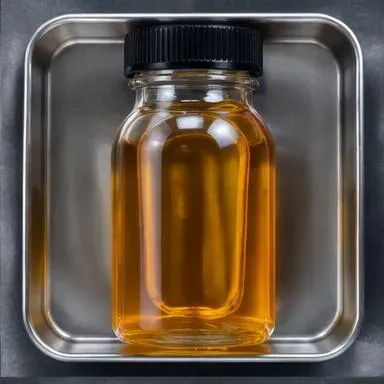
Marine oil rich in long-chain omega-3 (EPA/DHA). Essential for salmonid, marine and premium pet-food diets.
Applications by species
Top global export origins
FeedMatch Group's RFQ Builder benchmarks landed costs across origins for your discharge port and shipment window.
Certifications & quality standards
Buyer considerations
Advantages
- Unique EPA/DHA source
- High energy density
Constraints & risks
- Highly volatile pricing
- Supply cap from wild fisheries
Key specifications to contract
Energy values are calculated or measured estimates of the usable energy an ingredient delivers to a specific species; they are matrix values, not analytical certificates.
Moisture is water content expressed as a percentage; it dilutes every other nutrient, drives mould and mycotoxin risk in storage, and is the single most disputed parameter in bulk feed trade.
Mycotoxins are toxic fungal metabolites — aflatoxins, DON, zearalenone, fumonisins, ochratoxin A, T-2/HT-2 — that form in the field and in storage and are regulated with species-specific limits.
Particle size distribution governs mixing homogeneity, pellet quality, digestive efficiency and segregation risk, and is specified as a geometric mean diameter with a distribution, not a single sieve figure.
Crude fibre is a legacy proximate measure of indigestible plant structure; NDF, ADF and total dietary fibre describe the same material more precisely and are what modern formulation uses.
Each parameter is explained in the specification library — what it measures, how it is tested and what to verify.
Laboratory testing programme
| Test | Why buyers run it |
|---|---|
| Moisture and test weight | Storage stability, energy density and commercial weight |
| Mycotoxin panel (aflatoxin, DON, zearalenone, fumonisin) | Cereal chains carry the highest mycotoxin exposure |
| Starch and residual oil | Drives the calculated energy value used in formulation |
| Foreign matter and broken kernels | Purity, flow behaviour and true usable tonnage |
| Insect fragments and mould count | Storage history indicator |
Storage, packaging, transport & handling
6–12 months under nitrogen blanket or antioxidant protection, in cool dark storage; oxidation indices drive real usable life, not the calendar.
- — Aerate and monitor temperature at multiple silo depths
- — Control moisture migration — hot spots form before visible mould appears
- — Maintain insect and rodent monitoring with documented treatments
- — Bulk silo or vessel parcels
- — Bulk bags for intermediate volumes
- — Bagged only for small or remote operations
- — Verify prior cargo in bulk holds; grain readiness inspection before loading
- — Ventilate to prevent condensation on long tropical routes
- — Record fumigation treatments and residues
- — Manage dust — grain and by-product dust is both a loss and an explosion risk
- — Control grinding to the target geometric mean diameter for the species
- — Blend by-products gradually to keep diet energy stable
Procurement considerations
- —Set mycotoxin limits by destination regulation and target species, with a defined incremental sampling plan
- —Agree moisture adjustment scales rather than simple rejection thresholds
- —Confirm harvest year and storage history, not only origin
- — GMP+ FSA / FAMI-QS feed safety scheme certification of the producing site
- — ISO/IEC 17025 accredited analysis for contractual and safety parameters
- — HACCP plan covering the specific material and process route
- — Codex Alimentarius Code of Practice on Good Animal Feeding
Typical risks & common mistakes
- — Hot-spot mycotoxin contamination missed by grab sampling
- — Energy value drifting between harvest years and origins
- — Fumigant residues and insect infestation entering the mill
- — Grab-sampling bulk cargo for mycotoxin decisions
- — Assuming published energy tables represent the delivered cargo
- — Ignoring harvest year when comparing offers from the same origin
Species & industry intelligence
Related knowledge
Certificates of analysis, sampling, inspection, origin, traceability and import documentation.
Step-by-step buying guides and printable verification checklists.
Least-cost, inclusion and landed-cost tools for procurement planning.
Technical articles, market context and regulatory background.
Educational reference maintained by FeedMatch Group. We do not rank, recommend or endorse manufacturers; values are indicative industry references and never replace testing of the delivered lot.
Your next step, by buying intent
Pick the lane that matches where you are in the purchase — each link goes to the exact tool or page for that step.
What exactly am I buying?
How much, and at what landed cost?
Is this supplier and lot acceptable?
Frequently asked questions
What EPA+DHA level should I specify?
Salmon feed typically requires 18–24% EPA+DHA in the oil fraction. Request certificate of analysis with each lot.
Are algal DHA oils a viable substitute?
Yes for the DHA fraction — Veramaris, DHAgold and others are used in commercial salmon feed. EPA still primarily marine-sourced.
How is fish oil transported?
Flexitank (24 t), ISO tank (25 t) or parcel tanker for large lots. FeedMatch Group RFQs include logistics options.
For commercial farm feed buyers
Buying fish oil for a commercial farm
- Best for
- Commercial farms, integrators, distributors and feed buyers sourcing fish oil and related feed, additives or nutrition supply on a recurring commercial scale — not pet food, hobby farms or backyard quantities.
- Animal species covered
- Broilers and layers, dairy and beef cattle, pigs, tilapia, salmon and shrimp, plus sheep and goats on request.
- Typical feed buyer needs
- A written specification, verified suppliers who can hold that specification, comparable pricing on the same delivery terms, documented quality (CoA, certifications) and a supply schedule that matches production.
- Bulk feed and recurring supply
- Most requests are bulk or big-bag volumes on monthly or quarterly contracts. Volume per delivery, storage capacity on farm and contract length change price more than the headline per-tonne quote.
- Feed additives and premix
- Premix, amino acids, minerals, vitamins, enzymes, organic acids, toxin binders and other additives can be quoted alongside compound feed or ingredients so one supplier comparison covers the whole ration.
- What affects feed cost
- Raw-material origin and specification, inclusion rates, freight and Incoterms, packaging, order volume, payment terms, currency and certification requirements. Landed cost, not ex-works price, decides the winner.
- RFQ checklist
- Species and production stage, tonnes per month, target specification, delivery port or farm location, packaging, required certifications, first delivery date and contract duration.
- Supplier matching process
- You define the requirement, FeedMatch structures the RFQ, sends it to relevant qualified suppliers, and returns comparable offers side by side so you can negotiate on equal terms.
- Buyer is not charged
- Farm buyers are not charged to submit a requirement, receive matched suppliers or compare quotes.
FeedMatch helps farm buyers compare feed suppliers, nutrition providers, additives suppliers and related solutions. FeedMatch is an intermediary and does not manufacture feed or provide financing directly.