
Feed production, storage and handling equipment
Storage and handling equipment
Silos, raw-material storage and bulk conveying for ingredients and finished feed.
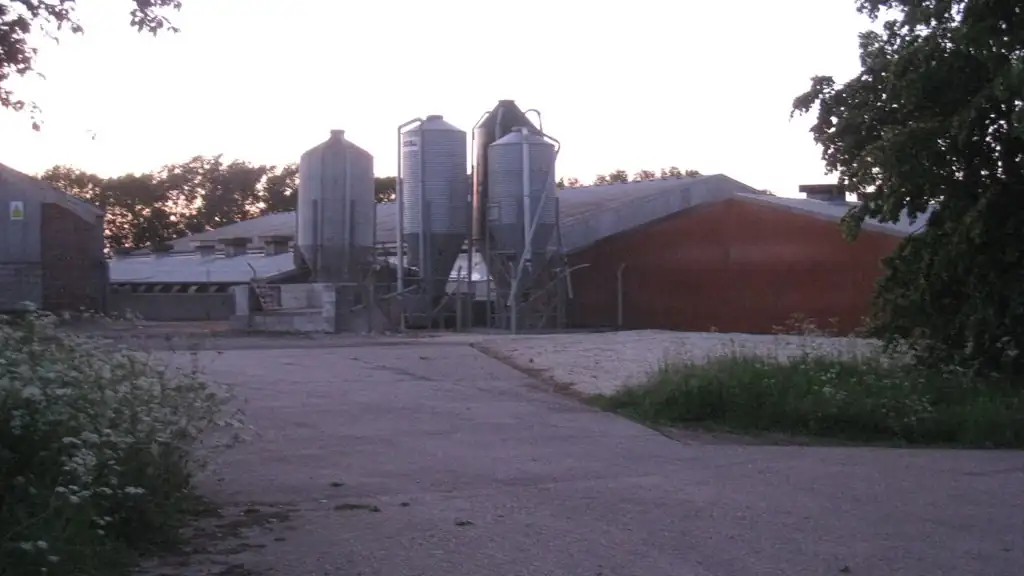
What should a feed storage or handling RFQ cover?
State the materials and volumes to be stored, the bulk or bagged receiving pattern, conveying capacity and product-damage limits, site and foundation conditions, and ask for conformity documents, warranty terms and how cleaning and temperature monitoring are handled. Plant and equipment projects start from about USD 250,000.
Procurement guidance, not nutritional or veterinary advice · Reviewed
Add your requirements (optional)
Anything you add here is carried into the request form when you press "Request quotes via FeedMatch" on this page, so you can review it before sending. Nothing is sent until you submit that form.
Product types (2)
- No supplier offer documented
Silos & Raw-Material Storage
Quote silos on live capacity in tonnes at the bulk density of your worst-flowing ingredient, plus roof and wind loading, aeration, level sensing and discharge type — capacity in m³ alone tells you nothing.
- No supplier offer documented
Bulk Conveying & Material Handling
Quote conveying at 1.2–1.5× your peak mill rate for each leg, stating t/h, centre distance, material and moisture, plus aspiration and explosion-safety scope — under-sized handling throttles the whole plant.
Compare product forms
General buying considerations from the cited public sources — not supplier claims, nutrition values or advice on feeding animals. Confirm suitability with your nutritionist or veterinarian and with the supplier's documents for the specific lot.
Bulk bins for solid ingredients
Best fit when: When grains and oil meals arrive in bulk.
Check carefully: Include cleaning (scalping) before storage and temperature monitoring in the scope.
Source: FAO — Material flow in feed manufacturing (Chapter 17)
Bulk liquid tanks (oils, molasses)
Best fit when: When oils or molasses are delivered in bulk.
Check carefully: Ask how storage temperature is held and how filter screens are accessed for checks.
Source: FAO — Material flow in feed manufacturing (Chapter 17)
Dry store for bagged ingredients
Best fit when: When ingredients arrive in sacks rather than bulk loads.
Check carefully: Plan rodent and insect protection and first-in, first-out rotation.
Source: FAO — Material flow in feed manufacturing (Chapter 17)
Source notes: each row paraphrases the linked page (FAO — Material flow in feed manufacturing (Chapter 17)). Sources checked .
What a supplier must document
FeedMatch asks for these before an offer is presented to you. Anything a supplier has not documented stays marked as missing — it is never estimated.
- Storage capacity and material specification
- Foundation, site and installation requirements
- Conveying capacity and product damage limits
- Conformity documents and warranty terms