FinancingFeed working capital, export credit, trade finance & asset leasing — explore options

Yeast Protein — المواصفات والموردون وطلب عرض السعر

Yeast Protein: مواصفات فنية، مصادر عالمية، شهادات GMP+ وFAMI-QS، وعروض أسعار موثقة. Saccharomyces cerevisiae and related yeasts, whole cell or autolysate. 40…

FinancingFeed working capital, export credit, trade finance & asset leasing — explore options
Protein Meals & Alternative Proteins

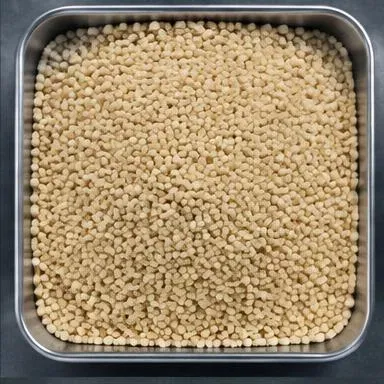
Yeast Protein

Also known as: Brewers yeast · Yeast extract · Autolyzed yeast · Torula yeast

Saccharomyces cerevisiae and related yeasts, whole cell or autolysate. 40–70% CP plus nucleotides, β-glucans and mannan-oligosaccharides.

Applications by species

broilersswineshrimpsalmonpet food

Top global export origins

European Union United States Brazil China

FeedMatch Group's RFQ Builder benchmarks landed costs across origins for your discharge port and shipment window.

Certifications & quality standards

GMP+ FAMI-QS Kosher Halal

Buyer considerations

Advantages

  • Palatability enhancer
  • Gut-health functional (β-glucans, MOS)
  • Nucleotides support early growth

Constraints & risks

  • Cost per protein unit high vs. commodity meals
  • Sourcing tied to brewery/ethanol by-product availability

Key specifications to contract

Each parameter is explained in the specification library — what it measures, how it is tested and what to verify.

Laboratory testing programme

TestWhy buyers run it
Crude protein (Kjeldahl or Dumas)Contractual value; confirm nitrogen factor and moisture basis
Amino-acid profile, digestible basisThe real formulation value; detects heat damage crude protein hides
Urease / KOH solubility / protein dispersibility indexProcessing intensity proxy for soy and heat-treated proteins
Total and acid-insoluble ashBone, shell, soil and mineral dilution indicator
Salmonella and EnterobacteriaceaeProtein meals are the classic entry point for pathogens into a mill
Moisture and water activityStorage stability and short-weight economics

Storage, packaging, transport & handling

Shelf life

Typically 3–6 months from production when held below 12% moisture, under 30 °C and protected from condensation. Marine and rendered proteins require antioxidant treatment; remaining shelf life on arrival should be contractual.

Storage recommendations
  • Keep moisture below the contractual maximum and monitor water activity in humid climates
  • Store on ventilated, dry floors with clear separation from finished feed and medicated materials
  • Apply first-expiry-first-out rotation and record production dates at intake
  • Monitor bulk temperature — self-heating signals microbial or oxidative activity
Packaging options
  • Bulk vessel parcels for large-volume commodity meals
  • 1,000–1,250 kg bulk bags with certified lifting loops for intermediate volumes
  • 25–50 kg polypropylene bags with liner where humidity or long storage is expected
Transportation considerations
  • Verify hold or container cleanliness and prior-cargo history before loading
  • Use kraft lining and desiccant for ocean containers into humid discharge ports
  • Record transit time and temperature exposure — both consume usable shelf life
Handling best practices
  • Avoid repeated pneumatic handling, which generates fines and heat
  • Segregate materials subject to species-specific regulatory restrictions
  • Draw and retain sealed samples at every transfer of custody

Procurement considerations

  • Contract digestible amino acids or a heat-damage proxy, not crude protein alone
  • Define moisture basis, tolerance band, reference method and umpire laboratory
  • Specify sampling plan and the party drawing samples at load and discharge
  • Require lot-specific certificates of analysis matched to cargo marks
Common industry standards
  • GMP+ FSA / FAMI-QS feed safety scheme certification of the producing site
  • ISO/IEC 17025 accredited analysis for contractual and safety parameters
  • HACCP plan covering the specific material and process route
  • Codex Alimentarius Code of Practice on Good Animal Feeding

Typical risks & common mistakes

Typical risks
  • Over-processing reducing digestible lysine while crude protein appears compliant
  • Non-protein nitrogen adulteration in tight markets
  • Salmonella recontamination after processing, during storage or transport
  • Origin switches changing the contaminant and composition profile
Common mistakes
  • Buying on headline protein and price per tonne rather than cost per unit of digestible lysine
  • Accepting typical-value sheets instead of lot certificates
  • Skipping retained samples, which removes any basis for a later claim

Species & industry intelligence

BroilersSwineShrimpSalmonPet food

Related knowledge

Educational reference maintained by FeedMatch Group. We do not rank, recommend or endorse manufacturers; values are indicative industry references and never replace testing of the delivered lot.

Your next step, by buying intent

Pick the lane that matches where you are in the purchase — each link goes to the exact tool or page for that step.

Frequently asked questions

What is the difference between yeast extract and autolyzed yeast?

Autolyzed yeast retains cell walls (β-glucans, MOS). Yeast extract is the soluble fraction after cell-wall removal — higher free amino acids and nucleotides, no β-glucan.

Is yeast protein Halal?

Baker's and torula yeast on molasses substrate is widely certified Halal. Brewers' yeast requires ethanol removal certificate.

Which yeast product improves piglet performance most?

Autolyzed yeast at 1–2% in nursery diets consistently improves ADG 4–8% and reduces post-weaning diarrhea.

For commercial farm feed buyers

Buying yeast protein for a commercial farm

Best for
Commercial farms, integrators, distributors and feed buyers sourcing yeast protein and related feed, additives or nutrition supply on a recurring commercial scale — not pet food, hobby farms or backyard quantities.
Animal species covered
Broilers and layers, dairy and beef cattle, pigs, tilapia, salmon and shrimp, plus sheep and goats on request.
Typical feed buyer needs
A written specification, verified suppliers who can hold that specification, comparable pricing on the same delivery terms, documented quality (CoA, certifications) and a supply schedule that matches production.
Bulk feed and recurring supply
Most requests are bulk or big-bag volumes on monthly or quarterly contracts. Volume per delivery, storage capacity on farm and contract length change price more than the headline per-tonne quote.
Feed additives and premix
Premix, amino acids, minerals, vitamins, enzymes, organic acids, toxin binders and other additives can be quoted alongside compound feed or ingredients so one supplier comparison covers the whole ration.
What affects feed cost
Raw-material origin and specification, inclusion rates, freight and Incoterms, packaging, order volume, payment terms, currency and certification requirements. Landed cost, not ex-works price, decides the winner.
RFQ checklist
Species and production stage, tonnes per month, target specification, delivery port or farm location, packaging, required certifications, first delivery date and contract duration.
Supplier matching process
You define the requirement, FeedMatch structures the RFQ, sends it to relevant qualified suppliers, and returns comparable offers side by side so you can negotiate on equal terms.
Buyer is not charged
Farm buyers are not charged to submit a requirement, receive matched suppliers or compare quotes.

FeedMatch helps farm buyers compare feed suppliers, nutrition providers, additives suppliers and related solutions. FeedMatch is an intermediary and does not manufacture feed or provide financing directly.

Get a Free QuoteExplore Financing