
Commodity trade finance for feed-ingredient purchases
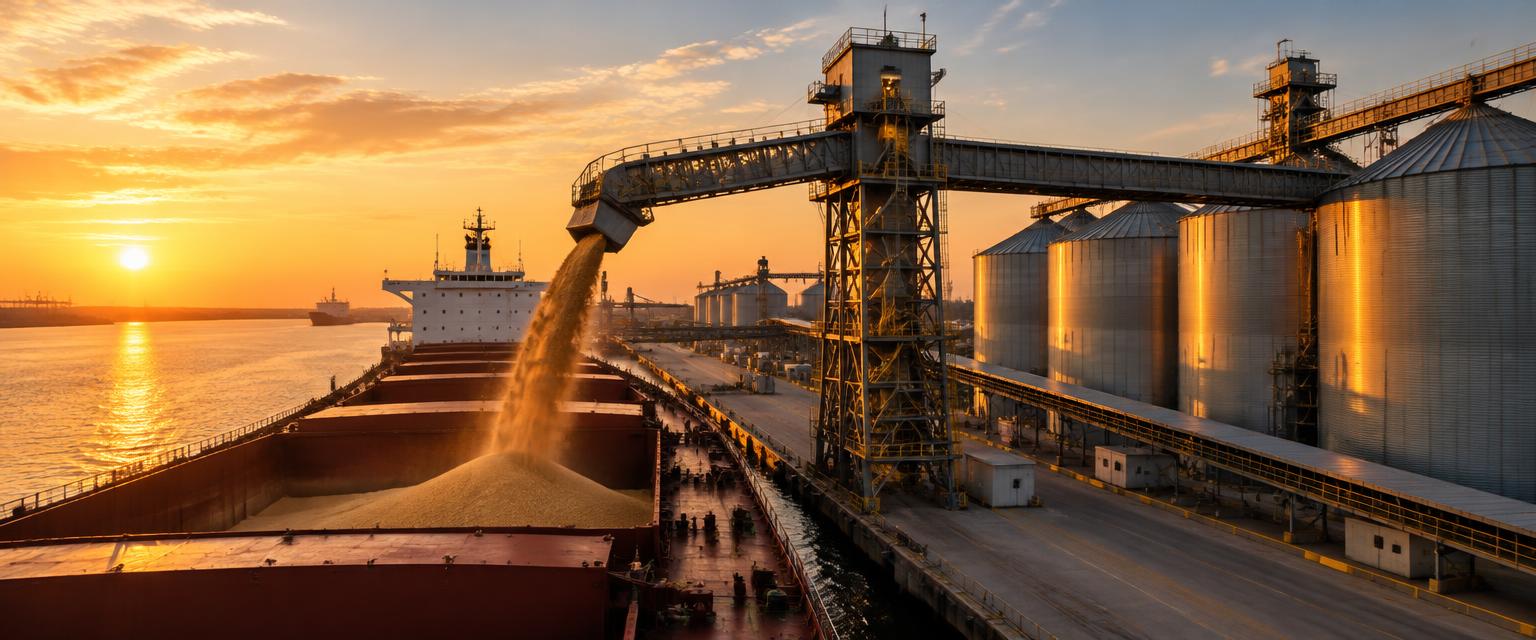
Commodity trade finance is short-term bank funding tied to a specific shipment of goods. For feed ingredients such as soybean meal, corn, wheat, fish meal or premixes, the lender funds the purchase and is repaid from the sale or use of that cargo. Structured commodity finance adds control over the goods themselves: warehouse receipts, collateral managers, assigned receivables or pledged inventory. Recurring ingredient shipments are typically financed over 30–360 days. FeedMatch does not lend; the provider sets approval, pricing and terms.
How it works
- 1.The buyer agrees a purchase contract with a supplier for a defined quantity, specification and Incoterm.
- 2.The lender funds the supplier payment, often through a letter of credit or direct payment against shipping documents.
- 3.The goods, or the documents of title, act as security while they are in transit or in storage.
- 4.The facility is repaid when the buyer sells feed made from the ingredient or settles at the end of the tenor.
When it fits
- You import ingredients regularly and need working capital between supplier payment and your own sales.
- You hold stock in a bonded or third-party warehouse that a collateral manager can monitor.
- Your balance sheet is smaller than the volumes you buy, but the cargo itself is liquid and traceable.
Documents lenders usually ask for
- Signed purchase contract or pro-forma with specification, quantity and Incoterm
- Bill of lading or warehouse receipt
- Certificate of analysis, phytosanitary and origin certificates where required
- Recent financial statements and an outline of your sales contracts or offtake
What to watch
- Lenders usually finance less than the full cargo value; the gap is your own contribution.
- Quality claims at discharge can delay repayment, so agree test methods and rejection limits before shipment.
- Inventory finance needs storage the lender can verify; mixed or unlabelled stock is hard to finance.
Questions
What is the difference between trade finance and structured commodity finance?
Trade finance funds a transaction mainly on the buyer's credit. Structured commodity finance relies more on control of the goods and the cash flows they generate, such as pledged stock, warehouse receipts and assigned receivables.
Which feed ingredients are usually financed this way?
Liquid, graded bulk commodities are easiest: soybean meal, corn, wheat, barley and fish meal. Additives and premixes can be financed too, usually as part of a wider revolving line.
Does FeedMatch provide the financing?
No. FeedMatch prepares the RFQ and can introduce independent financing providers. Approval, pricing and terms are decided by the provider alone.
Other financing tools
FeedMatch does not lend money or guarantee approval. Approval, pricing and terms are set only by the independent financing provider.