
Upgrading feed lines: costs, timelines and risks
For existing feed lines and farm feed-preparation setups—not new mill construction. Start with measured constraints, compare complete scopes and keep unanswered questions visible.
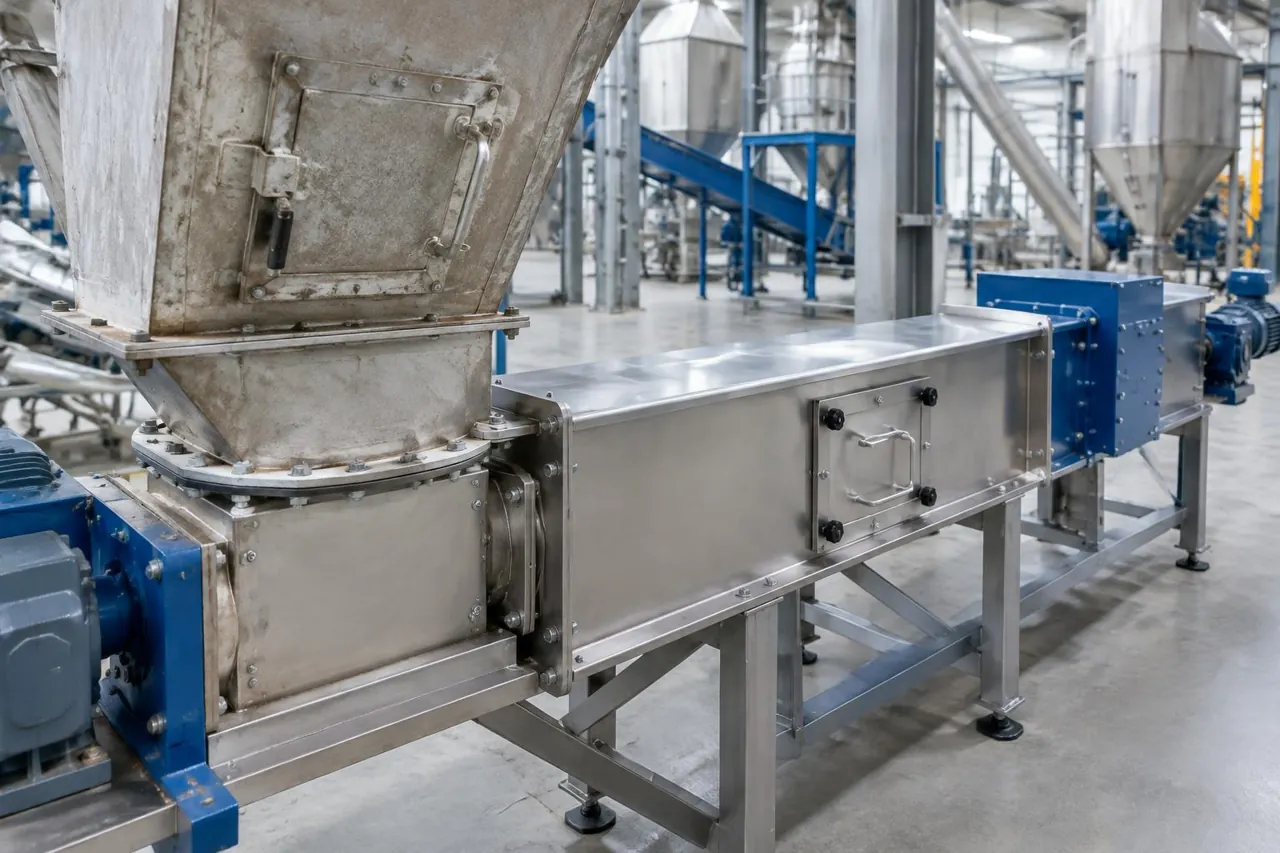
What should I measure before planning a line upgrade?
Record saleable output, operating hours, batch cycles, stoppages and changeovers at each stage on representative recipes. Include product-quality observations and energy measurements for the same period. A machine nameplate is not proof of whole-line output. Ask a qualified process engineer to check the limiting stage and whether an upgrade would move the bottleneck downstream.
Should I retrofit, replace one machine or add a parallel stage?
Compare retrofit when inspected retained assets and interfaces can support the required feed. Compare replacement when condition, support or process suitability remains a problem. Parallel capacity also needs a review of shared utilities, transfers, controls and dispatch. Request separately scoped alternatives on one recipe and operating basis; no option is automatically cheaper or safer.
What does a feed-line upgrade cost?
There is no verified universal price here. Build the installed scope from dated written quotations: equipment, inspection, refurbishment, dismantling, freight, non-recoverable duties and taxes, site connections, controls integration, installation, commissioning, training, spares and transition costs. Keep recoverable taxes and working capital separate. Unknown exclusions remain unresolved, not zero.
How do I compare quotations without hiding costs?
Use one currency, delivery boundary, recipe, output basis and evaluation period. Record source, date, quote validity and responsible owner for each cost. Mark every item included, excluded, optional or unanswered. Reconcile package inclusions before adding local costs, so the same installation or freight item is not counted twice.
How does the upgrade assessment calculate capacity and payback?
The slowest entered measured stage sets the entered line rate. Daily capacity = that rate × running hours; gap = daily need − daily capacity; required rate = need ÷ hours. For a positive gap, the wizard’s simple payback = installed cost ÷ (gap × operating days per year × your margin or saving per added tonne). Missing or non-positive required inputs produce no payback. This assumes the shortfall can actually be recovered and the added feed used or sold at that margin; it excludes discounting, financing and separately modelled operating changes.
Does the suggested next step prove that equipment can be restored?
No. The assessment is a screening tool, not a diagnosis. Its existing restore-or-tune suggestion uses a 15% rate-gap rule of thumb, not a validated engineering threshold or evidence that output is recoverable. Treat the suggestion as a question for your engineer and service provider, not purchase approval. The calculator does not establish safety, nutrition or animal-performance outcomes.
How long does an upgrade take?
Do not rely on a generic number of weeks. Separate condition survey and scope decisions, engineering and local approvals, manufacturing or refurbishment, logistics, site readiness, tie-ins, commissioning and acceptance. Ask each party for dated milestones, dependencies, exclusions and what would change the schedule. An equipment delivery estimate is not a confirmed production-restart date.
How should we plan shutdown and delayed restart?
Identify isolation responsibilities, removal and lifting access, tie-in sequence, available personnel and agreed test inputs with qualified site teams. Plan inventory or alternative feed supply using your own demand and storage evidence. Cost the transition using credible lost contribution or replacement-supply costs; do not count the same lost sales and lost contribution twice. Keep a delayed-restart scenario alongside the base case.
When is used equipment worth evaluating?
Only after verifying identity, ownership, condition, maintenance history, spare-parts support and compatibility. Request inspection or a witnessed run, manuals, electrical drawings, included components and written condition/warranty terms. Include refurbishment and integration costs. FeedMatch publishes no used-equipment sellers, stock or prices; its team manages supplier outreach after reviewing your request.
What are the main technical and safety risks?
Common questions include worn retained assets, mismatched capacities, unsupported controls, undocumented connections, insufficient utilities, cleaning or segregation problems, dust hazards and unexpected startup during servicing. Have qualified local professionals review applicability and safe work arrangements. FAO/IFIF offers feed-production context; OSHA and FDA references are US-specific, and NFPA applicability depends on the adopted edition and local authority. This FAQ is not a compliance approval or operating procedure.
What should the acceptance plan include?
Agree representative recipes, measurement and sampling methods, output and physical-quality criteria, utilities, staffing and who witnesses the tests before committing. Define responsibilities for new-to-existing interfaces, deviations, remedies, retesting and outstanding work. Distinguish first startup from contractual acceptance; a run video alone does not validate a complete line under your conditions.
What should I send with my upgrade quote request?
Send the measured constraint, feed formats and recipe envelope, site drawings, retained-asset register, interface responsibilities, cost worksheet and shutdown limits. Identify what is measured, estimated or unresolved. Select the upgrade choice on the quote form. FeedMatch reviews and organizes requests, contacts suppliers and presents responses; buyers do not contact suppliers directly. Buyer use is free and assisted sourcing is for projects from US$250,000. No response timing, price, availability or outcome is guaranteed.
Sources and cost worksheet
Sources checked 2026-10-16. These references support the review topics, not prices, project durations or promised returns. Confirm requirements with your local advisers.
- FAO / IFIF — Good practices for the feed sector (2020 manual)
- OSHA — Grain handling
- OSHA — Control of hazardous energy (lockout/tagout)
- NFPA 660 — Combustible dusts (consolidates NFPA 61; confirm locally adopted edition)
- FDA — FSMA preventive controls for animal food
- ICC — Incoterms delivery responsibilities